

Portable Chainsaw Mill Guide for Straight, Even Slab Cuts
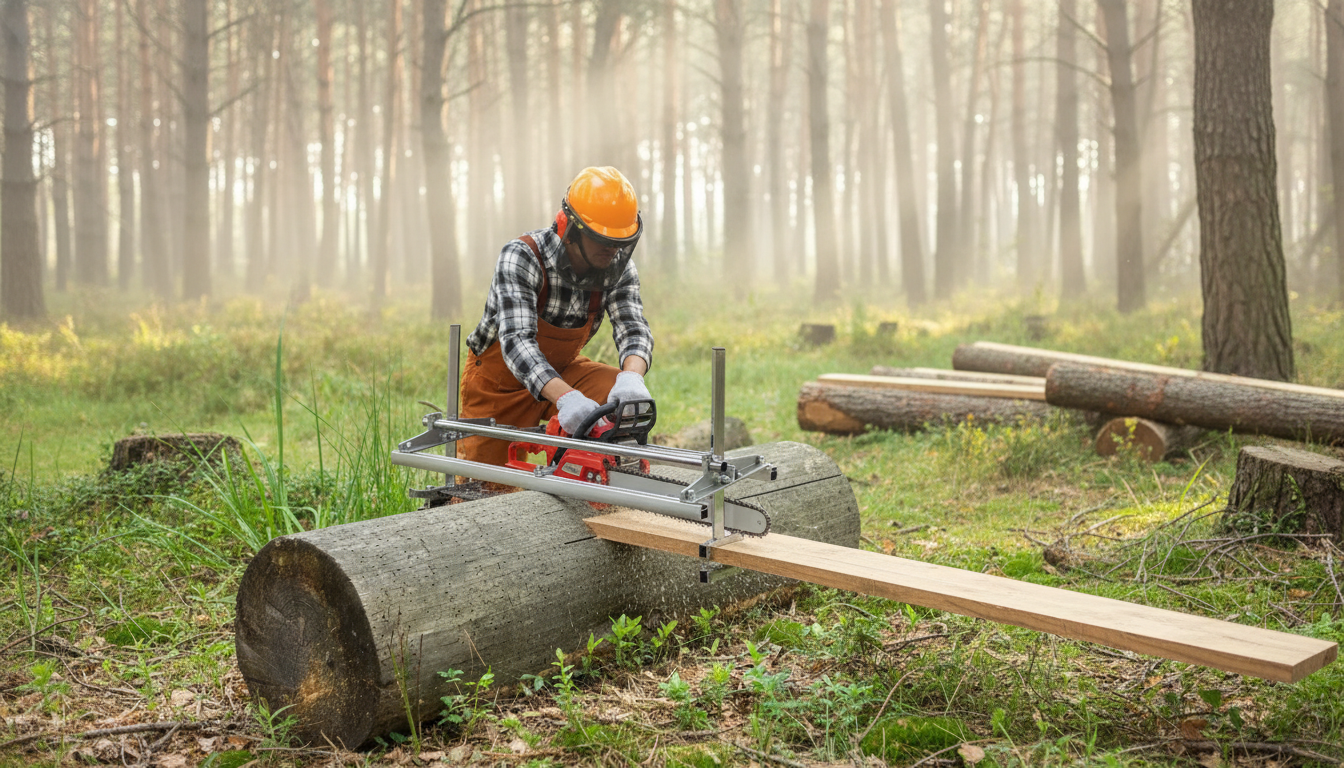
Portable Chainsaw Mill: Adjustable Guide for Straight, Even Slab Cuts
Turning logs into usable boards is much easier when the saw is guided in a rigid, adjustable frame. A portable chainsaw mill helps control cut thickness, keep passes straight, and reduce wasted material—whether the goal is live-edge slabs, flat timbers, or repeatable planks on a jobsite or at a cabin. With the right setup, the mill becomes a dependable “rail system” for your chainsaw, helping you turn rough logs into consistent material for shelving, benches, mantels, and small builds.
What a Portable Chainsaw Mill Does
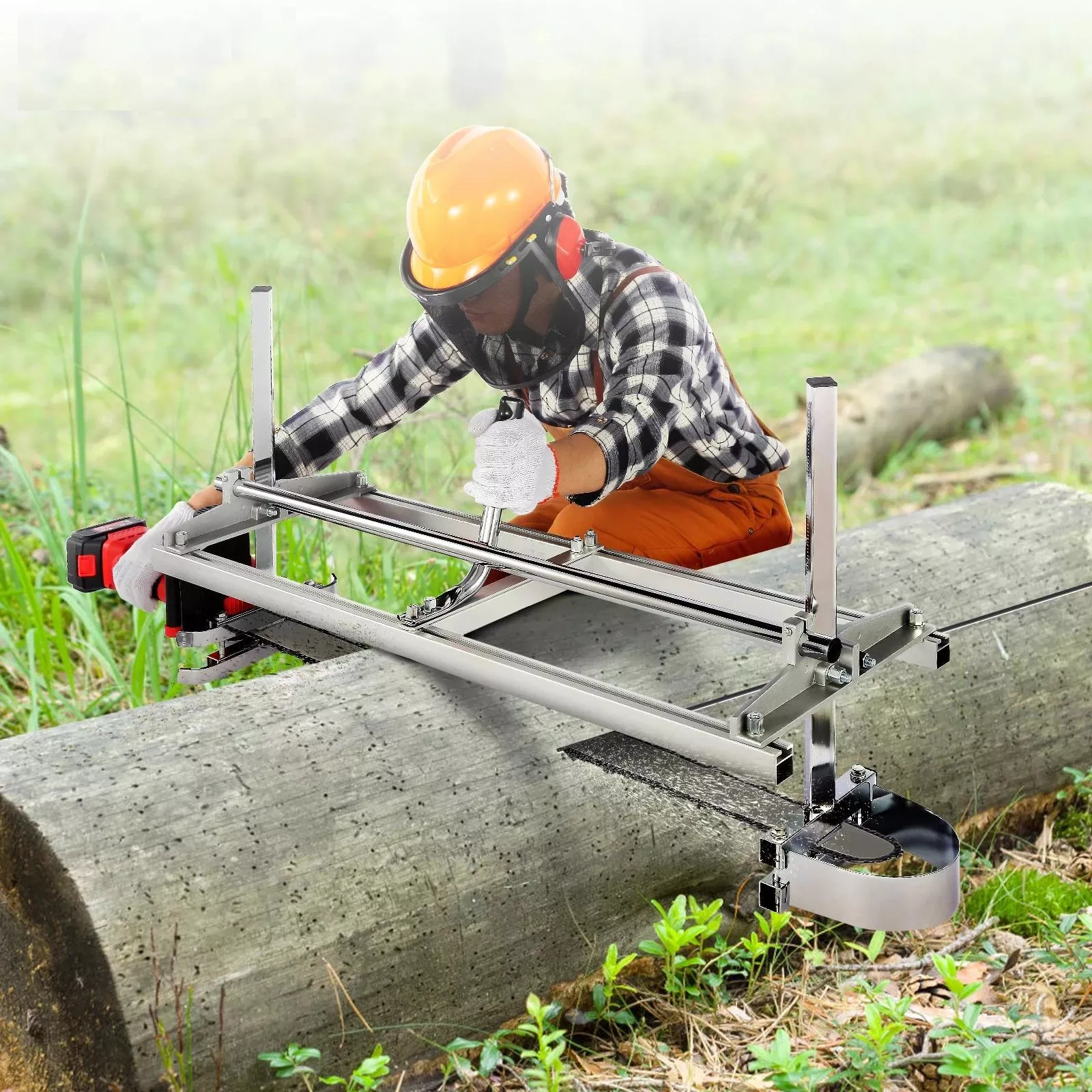
A portable chainsaw mill attaches around the saw’s bar and provides a stable, level reference as you cut. Instead of trying to freehand a long rip (where the bar can dip, twist, or drift), the mill’s rails keep the saw tracking in a more controlled plane.
- Creates a stable track around the bar so the chainsaw stays level through the cut
- Adjusts cutting height to produce consistent slab or board thickness from the same log
- Helps maintain straighter cuts over long passes where freehand cutting tends to drift
- Allows milling on-site, reducing the need to move heavy logs to a sawmill
- Works best when paired with a solid first-cut guide (ladder, straight rail, or reference plank)
That first reference cut is the foundation for everything that follows. Once one face is flat, the mill can ride on that surface for repeatable boards.
Key Parts and How They Improve Accuracy
The difference between “rough slabs” and “clean, consistent slabs” often comes down to setup and rigidity. A mill that stays square and holds its settings through vibration will produce noticeably more uniform results.
- Adjustable uprights: set thickness in repeatable increments; verify both sides match before each pass
- Clamping points: secure to the bar area without wobble; retighten after the first few minutes of cutting
- Cross braces/frame rigidity: reduces flex that can cause tapering slabs or washboarding
- Reference surfaces: flat, parallel rails keep the bar aligned; check for squareness during assembly
- Fasteners and hardware: quality bolts and lock nuts help settings stay put during vibration
Accuracy checklist before the first cut
| Check | How to verify | Why it matters |
|---|---|---|
| Left/right height match | Measure from rail to bar on both sides | Prevents tapered slabs |
| Frame is square | Confirm braces sit flush; tighten evenly | Reduces drift and uneven thickness |
| First-cut guide is straight | Use a level/straightedge along the guide | Defines the reference plane for every later pass |
| Chain is sharp and properly tensioned | Pull chain slightly; ensure it snaps back | Minimizes wandering and overheating |
| Log is stable | Wedges/chocks; confirm no rocking | Stops binding and kickback risk |
Choosing the Right Setup for Your Logs and Goals
Portable chainsaw milling is all about matching expectations to the equipment on hand. The mill keeps you on track, but the chainsaw still has to do serious work, especially in hardwood.
- Log diameter and bar length: the mill must accommodate the working width needed for the slabs planned
- Desired slab thickness range: ensure the adjustment range covers both thin boards and thicker live-edge slabs
- Portability needs: consider weight and how quickly it can be assembled at remote sites
- Cut quality expectations: a more rigid frame and careful setup typically produce flatter, more uniform results
- Chainsaw capability: higher power and a suitable bar help maintain speed and reduce bogging in hardwood
For a straightforward, adjustable guide built for repeatable cuts, see the Portable Chainsaw Mill – Adjustable Sawmill Guide for Precise Wood Cutting. It’s designed to help control slab thickness and keep long passes more consistent when paired with a solid first-cut guide.
Step-by-Step: Getting Straight, Repeatable Slabs
A clean workflow reduces surprises—especially binding, overheating, and thickness variations. Take a few extra minutes on prep; it often saves a full slab’s worth of effort later.
Safety Practices for Milling Sessions
For additional safety references, consult OSHA and chainsaw safety resources from the USDA Forest Service.
Common Problems and Quick Fixes
Care, Storage, and Long-Term Consistency
Shop Related Items
- Portable Chainsaw Mill – Adjustable Sawmill Guide for Precise Wood Cutting
- The Anxiety Relief Bundle: A Path to Calm | 4-in-1 Bundle
- Armani Exchange Men’s Printed Black Trousers
FAQ
Do portable chainsaw mills work with most chainsaws?
Many do, but compatibility depends on your bar length, the mill’s clamp/mounting range, and whether the saw has enough power to pull a ripping cut—especially in hardwood. Check the mill’s supported bar sizes and expect better results from higher-torque saws.
What’s the best way to make the first cut flat?
Use a straight ladder or rail guide securely fastened to the log with spacers so it stays flat end-to-end, then confirm straightness with a level or straightedge. During the pass, set wedges behind the cut to prevent binding and help the bar stay on line.
Why are my slabs coming out uneven in thickness?
Common causes include mismatched left/right height settings, loose hardware that shifts under vibration, a log that moves during the cut, a flexing first-cut guide, or a dull chain that wanders. Re-measure both sides, tighten evenly, stabilize the log, and cut with a sharp, properly tensioned chain.













Leave a comment