Women’s vs. Men’s Shirt Buttons: Which Side & Why
Are buttons on women’s shirts different than men’s?
Yes—most of the time, women’s shirts and men’s shirts place buttons on opposite sides. Traditional women’s button-front shirts typically have buttons on the left side of the garment (so the wearer’s right hand fastens them), while men’s shirts usually place buttons on the right side (so the wearer’s left hand fastens them). It’s a small detail, but it’s consistent enough that many people notice it when shopping or borrowing a shirt.
Why are the buttons on different sides?
The most common explanation is historical: men’s clothing was often designed for self-dressing and practicality, while women’s garments—especially for the upper classes—were frequently fastened by maids or attendants. With an assistant facing the wearer, opposite-side button placement could make fastening easier. Over time, that convention stuck, even as women’s clothing became more practical and self-fastening became the norm.
Is the difference universal today?
No. Modern fashion doesn’t always follow the old rule. Many women’s casual shirts, unisex styles, and workwear-inspired pieces use men’s-style button placement, and some brands standardize button sides across their entire line to simplify production. You’ll also see exceptions in designer pieces, oversized “boyfriend” shirts, and garments intentionally made to look gender-neutral.
How can you tell which side is which?
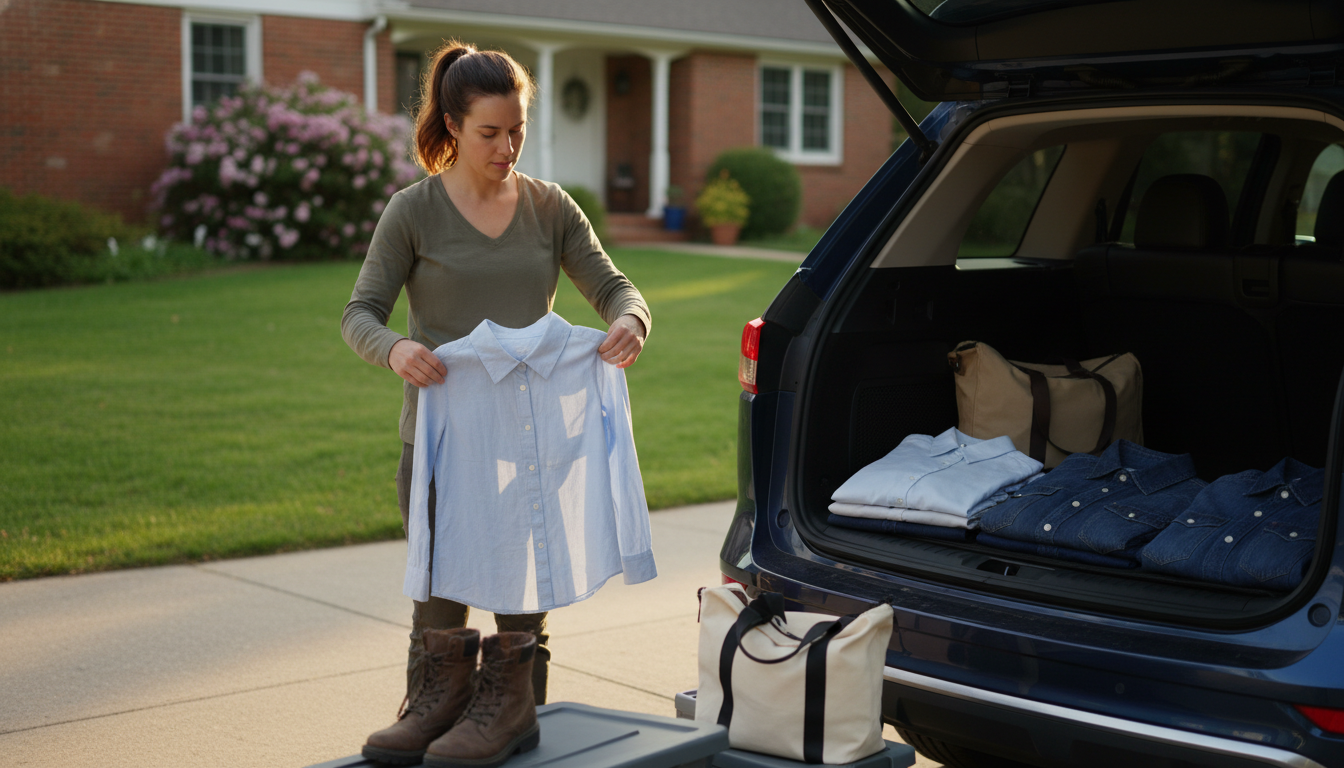
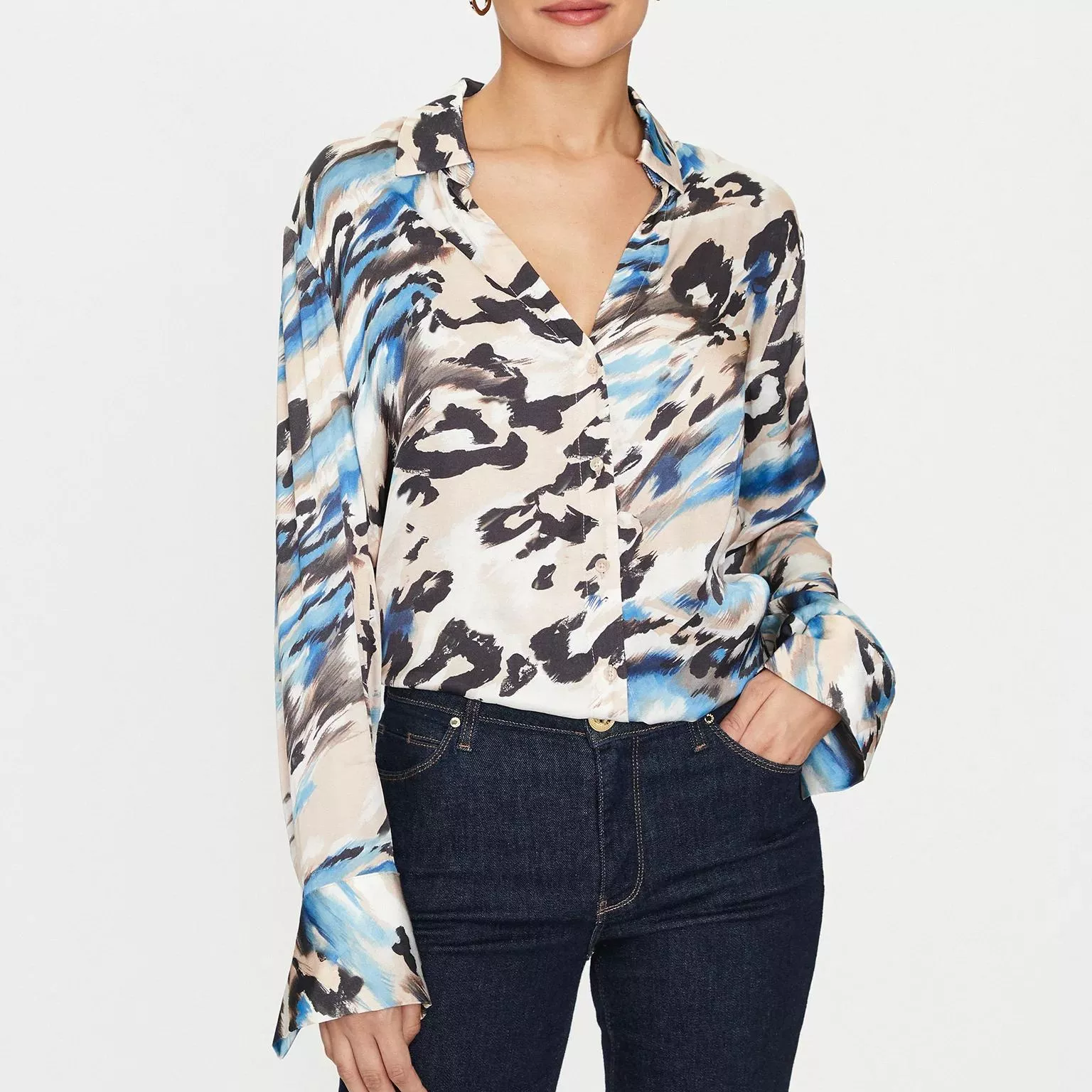
Lay the shirt flat with the front facing up. If the button placket (the strip with the buttons) is on the left side of the shirt as you look at it, that’s the common women’s arrangement. If the buttons are on the right side as you look at it, that’s the common men’s arrangement.
For a deeper breakdown of button placement, history, and modern exceptions, visit the full guide here: https://luxjoy.shop/blog/are-buttons-on-women-s-shirts-different-than-men-s/.
FAQ
Do unisex shirts have buttons on the men’s or women’s side?
It depends on the brand and the pattern they start from. Many unisex button-ups follow men’s placement for consistency, but some use women’s placement or vary by style.










Leave a comment