

LED Shield Mask Guide: At-Home Light Therapy Routine
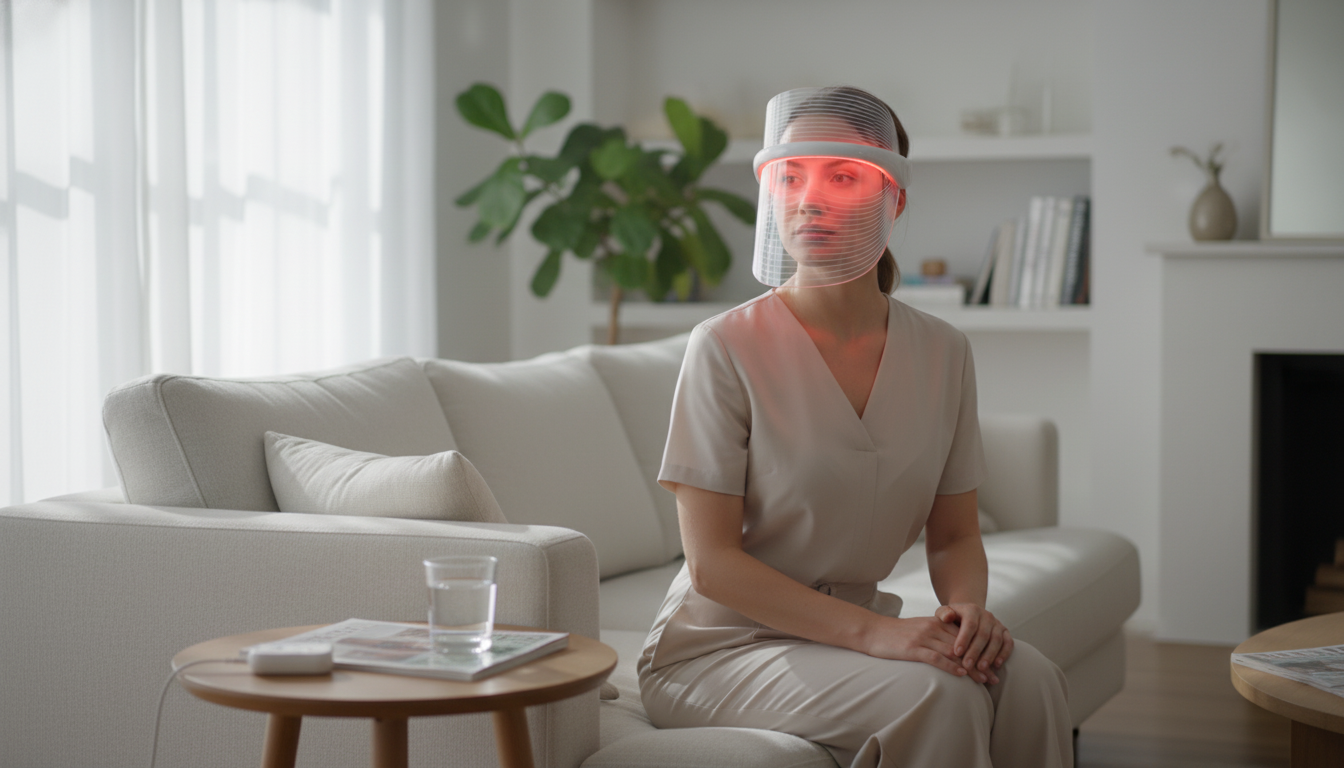
LED Light Therapy Shield Mask: At-Home LED Skincare for a Clearer, Calmer Look
LED light therapy can support common skincare goals like a more even-looking tone, calmer-looking redness, and a refreshed appearance—without needles or downtime. A LED light therapy shield mask makes it easy to turn this type of treatment into a repeatable habit: short sessions, a simple routine, and gradual changes you can actually track.
Below is a plain-language guide to what a LED shield mask is, how it typically fits into everyday skincare, what to pair it with, and how to keep use comfortable and consistent over time.
What a LED Shield Mask Is and What It’s Designed to Do
A LED shield mask is a face-covering device that delivers specific wavelengths of visible light to the skin’s surface. Instead of relying on scrubs, strong peels, or heavy makeup to “mask” what’s going on, many people use LED as a gentle add-on that supports how skin looks over time.
- A face-covering device that delivers specific wavelengths of visible light to the skin surface.
- Common goals include supporting the look of smoother texture, more even tone, and reduced appearance of blemish-prone areas.
- Typically used for short sessions several times per week, then maintained as needed.
- Best results tend to come from consistency rather than intensity.
Think of LED like physical fitness for your skincare routine: one long, intense session doesn’t “make” results happen, but a sustainable cadence can help your skin look steadier and more balanced.
How LED Light Interacts With Skin (Plain-Language Overview)
Different colors of light correspond to different wavelengths. Those wavelengths are used in skincare routines because they can influence how skin appears over time—especially when the routine is gentle and consistent.
- Different colors of light correspond to different wavelengths, which can influence how skin appears over time.
- Red light is commonly associated with supporting the look of firmness and overall skin vitality.
- Blue light is often used for blemish-prone skin routines to help support a clearer-looking complexion.
- Results are gradual; changes in visible appearance usually require multiple sessions over several weeks.
Common LED Colors and Typical Skincare Goals
| Light color | Typical use in skincare routines | What to expect (general) |
|---|---|---|
| Red | Dullness, uneven texture, overall radiance | Gradual improvement in the look of smoothness and glow with consistent use |
| Blue | Blemish-prone areas | Support for clearer-looking skin; best paired with gentle cleansing and non-irritating products |
| Mixed/Combination | Multi-goal routines | Convenience when alternating goals across the week |
For a broader overview of red light therapy uses and precautions, see the Cleveland Clinic’s resource on red light therapy. For general safety considerations and dermatology guidance, the American Academy of Dermatology Association is a helpful starting point.
Who It Can Help Most (and When to Skip It)
LED masks are often chosen by people who want a low-maintenance skincare step that doesn’t involve abrasion or recovery time. They can be especially appealing when your goal is to keep skin looking calm and steady, rather than chasing fast changes that can lead to irritation.
- Good fit for people who want a low-effort, at-home add-on to a basic cleanser–moisturizer–sunscreen routine.
- Often chosen by those seeking non-abrasive options (no scrubbing, no strong acids every day).
- Avoid use if there is known light sensitivity, certain photosensitizing medications, or an active condition where light exposure is restricted.
- Extra caution for anyone with eye sensitivity; follow device guidance and consider keeping eyes closed during sessions.
If you have a medical condition that affects photosensitivity, are using prescription topicals, or you’re unsure whether LED is appropriate, checking with a licensed clinician helps you avoid guesswork.
How to Use a LED Light Therapy Shield Mask Comfortably
Simple 4-Week Starter Routine (Example)
| Week | Frequency | Session length | Notes |
|---|---|---|---|
| 1 | 3x/week | Short (per device guidance) | Focus on comfort; keep routine gentle and consistent |
| 2 | 3–4x/week | Standard | Avoid adding new strong actives at the same time |
| 3 | 4x/week | Standard | Take progress photos weekly under the same lighting |
| 4 | 4–5x/week | Standard | Maintain or adjust frequency based on tolerance and goals |
What to Pair With LED (and What to Avoid Right Before a Session)
Safety and Practical Tips
Product Spotlight: LED Light Therapy Shield Mask
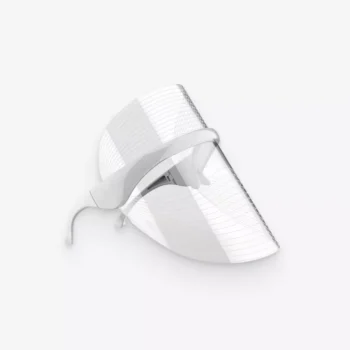
If you want a straightforward way to build a consistent LED habit, the LED Light Therapy Shield Mask is designed as a simple at-home option with a set-it-and-relax approach. It works best alongside foundational skincare—gentle cleansing, moisturizing, and daily sun protection—so the routine stays easy to repeat.
Quick Facts
| Item | Details |
|---|---|
| Product | LED Light Therapy Shield Mask |
| Price | 38.99 USD |
| Availability | In stock |
| Product page | https://luxjoy.shop/led-light-therapy-shield-mask/ |
Optional Self-Care Add-On for Consistency
Because the biggest “secret” to LED is repetition, pairing your sessions with a calming ritual can help you stick with it. If relaxation and routine-building are part of your goal, The Anxiety Relief Bundle: A Path to Calm can be a helpful off-screen companion during your mask time.
FAQ
How often should a LED light therapy mask be used?
Many routines fall in the range of 3–5 sessions per week, then a maintenance schedule once you like how your skin looks. Start slower if your skin is sensitive, and stay within the timing and frequency recommended by your device.
Can LED light therapy be used with retinol or exfoliating acids?
Often, yes—but it’s usually more comfortable to alternate days rather than stacking everything at once. If you notice dryness or irritation, simplify the routine and prioritize moisturizer and daily sunscreen.
How long does it take to see results from LED light therapy?
Visible changes are typically gradual and build over several weeks of regular sessions. Weekly photos in consistent lighting can make subtle improvements easier to notice.













Leave a comment