Guess Women’s Plain Scarf: Easy Fall & Winter Styling
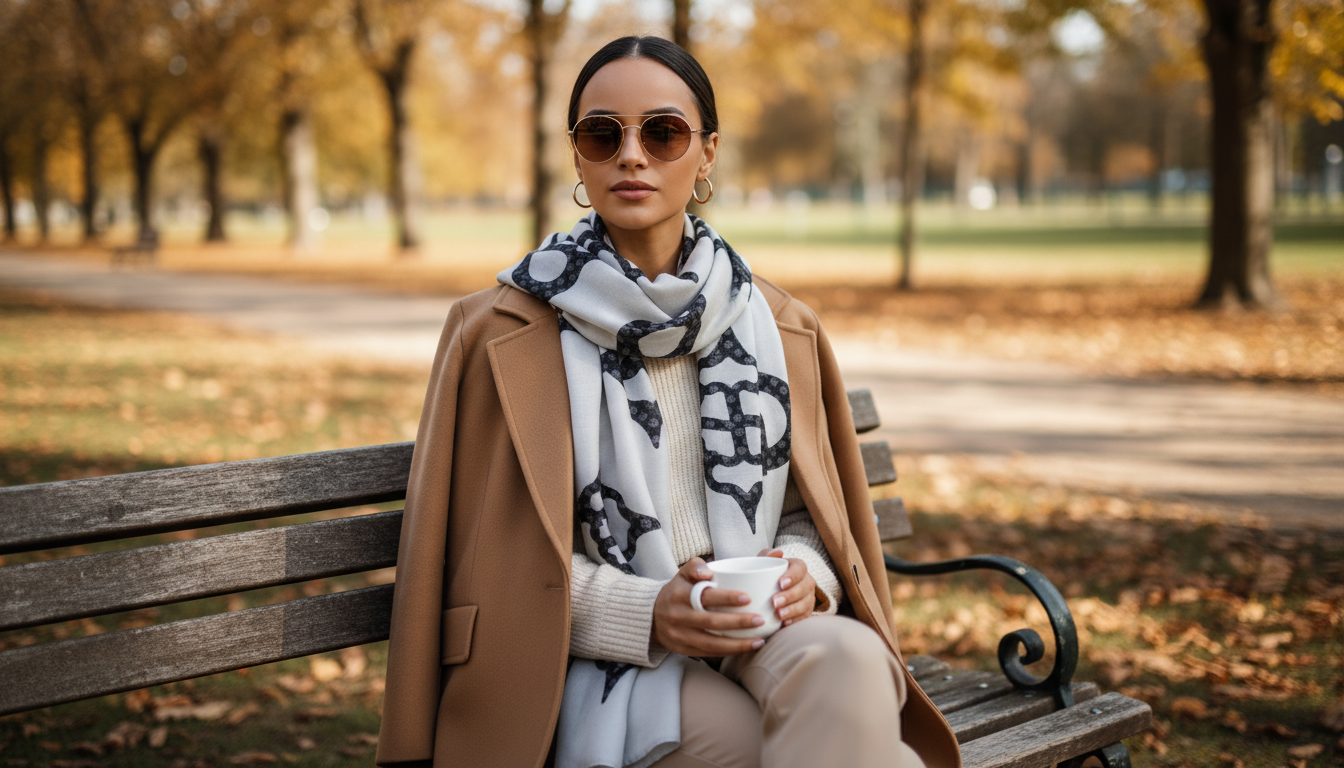
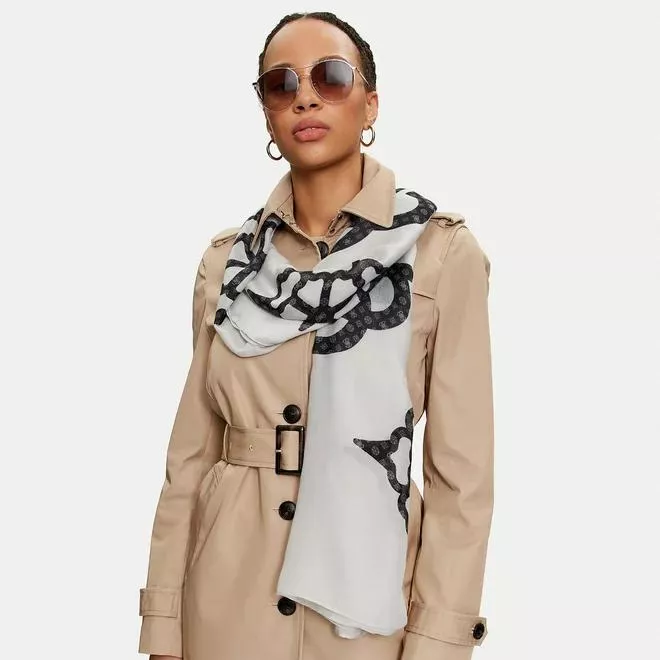
Guess Women’s Plain Fall/Winter Scarf
A plain scarf is one of the easiest cold-weather pieces to rely on: it adds warmth without competing with outerwear, works across casual and polished outfits, and packs down for commuting or travel. The Guess Women’s Plain Fall/Winter Scarf is designed for everyday layering, with a clean look that can be worn multiple ways—draped, wrapped, or knotted—through fall and winter. Use it as a finishing touch over a coat, a simple upgrade to knitwear, or a practical accessory to keep at the desk, in the car, or in a tote for unpredictable temperature changes.
Why a plain scarf earns a permanent spot in the rotation
- Pairs easily with patterns: Plaids, checks, and printed outerwear feel more balanced with a solid scarf.
- Creates a polished line: A single-tone accessory can visually frame the face and neckline.
- Low-effort coordination: Neutral or classic shades reduce decision fatigue when getting dressed.
- Season-spanning use: Works in early fall as a light layer and in winter as a warmth booster under a coat collar.
- Great for gifting: Simple styling makes fit and preference easier than trend-driven accessories.
At-a-glance checklist before buying
- Warmth level: Consider how windy and cold typical days are (city commuting vs. outdoor walks).
- Feel on skin: If sensitive, prioritize a softer hand-feel and avoid anything scratchy around the neck.
- Bulk vs. layering: Chunky wraps add warmth but can crowd a high-collar coat; slimmer scarves layer more easily.
- Length and width: Longer scarves allow more wrapping styles; wider options can double as a light shawl.
- Care routine: Check the care label—some fabrics are easy-care, while others need gentle washing or dry cleaning.
Quick guide to choosing a fall/winter scarf
| What to check | Why it matters | Practical tip |
|---|---|---|
| Fabric feel | Comfort around the neck all day | Test for itchiness and static; softer blends are often easier to wear |
| Thickness | Controls warmth and how it fits under outerwear | If wearing a structured coat, choose a scarf that doesn’t overfill the neckline |
| Finish and drape | Affects how neatly it wraps and photographs | Look for a drape that lies flat without constant adjusting |
| Color | Determines versatility with coats and bags | Pick a shade that complements your most-worn outerwear (black, camel, grey, navy) |
| Care label | Impacts longevity and cost per wear | Follow label symbols; avoid high heat to reduce pilling and warping |
Ways to wear a plain scarf for different days
- Classic drape: Fold lengthwise and let ends fall evenly for a clean, minimal look.
- Once-around wrap: Loop once and tuck ends under the coat lapels to reduce bulk.
- Parisian knot: Fold in half, pull ends through the loop—secure and tidy for windy commutes.
- Over-shoulder wrap: Style it like a light stole over knitwear for indoor-to-outdoor transitions.
- Belted layer: Place it over a coat and add a belt to define the waist and keep fabric from slipping.
Styling ideas: coats, knitwear, and everyday accessories
- With a tailored wool coat: Keep the scarf simple and let the coat structure lead; a plain scarf maintains a refined finish.
- With a puffer: Wrap closer to the neck to balance volume; a solid scarf prevents the look from becoming too busy.
- With a blazer or leather jacket: Use a longer wrap to add softness and warmth without heavy layering.
- With chunky knits: Choose a wrap style that doesn’t compete—drape or single loop works well.
- With handbags and hardware: A plain scarf pairs cleanly with chains, buckles, and metallic details for a cohesive look.
Easy pairing: scarf + statement bag
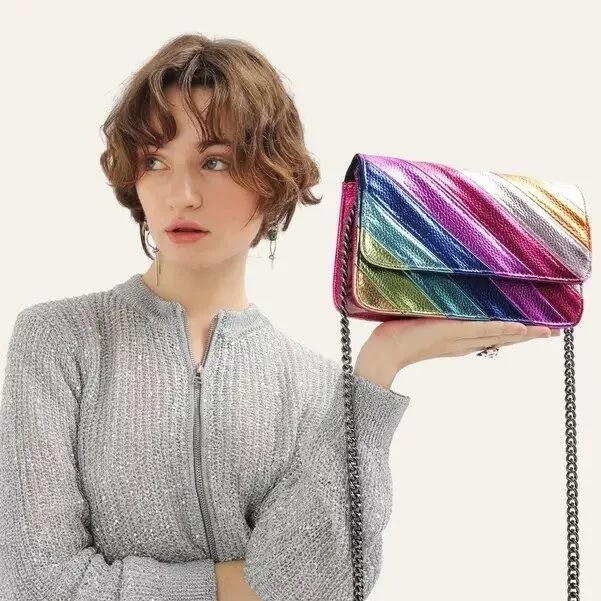
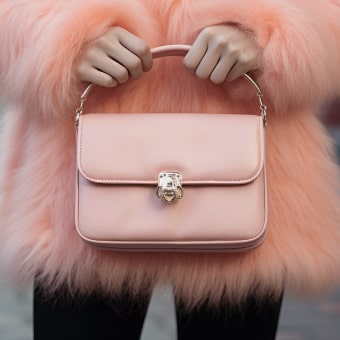
If the scarf is the calm base layer, the bag can be the personality piece. A simple scarf looks especially pulled-together next to a bolder accessory like the Colorful striped flap handbag with metal chain—you get contrast and interest without forcing patterns to compete around the face.
Comfort and performance: what makes a scarf feel “easy”
- Breathability: A scarf should warm without causing overheating indoors or on public transit.
- Weight and movement: A good everyday scarf stays in place and doesn’t require constant readjustment.
- Pilling resistance: Frequent friction from coats and hair can cause fuzzing; gentler washing and air-drying help.
- Static control: Dry winter air can increase static; using fabric-friendly conditioner and avoiding over-drying can reduce it.
- Neck coverage options: The ability to wrap higher can matter on cold, windy days.
For fiber-specific care guidance, follow trusted resources like Woolmark’s garment care recommendations, and use care tags as your baseline (the FTC’s care labeling guide explains why labels matter and what they cover).
Care and storage to keep it looking new
A simple outfit plan built around a plain scarf
Shop the look
- Guess Women’s Plain Fall/Winter Scarf ($60.00)
- Colorful striped flap handbag with metal chain ($90.49)
FAQ
How can a plain scarf look stylish instead of basic?
Use intentional wrapping (like a Parisian knot or a once-around tuck) and match the scarf’s neat drape to your coat’s structure. Clean proportion—ends even, fabric lying flat—makes a solid scarf look finished rather than plain.
What’s the best way to stop a scarf from slipping off the shoulders?
Choose a more secure knot, tuck the ends under lapels, or wear it over your coat and add a belt to hold it in place. Scarves with a bit of texture also tend to grip better than very slick fabrics.
How should a winter scarf be cleaned to reduce pilling?
Follow the care label, wash gently (or spot-clean when possible), avoid high heat, and air-dry flat. Rotating wear—so the same scarf isn’t rubbing against the same coat every day—also helps reduce friction-related fuzzing.










Leave a comment