

Pet Anti-Shedding Gloves: Reduce Fur Fast at Home
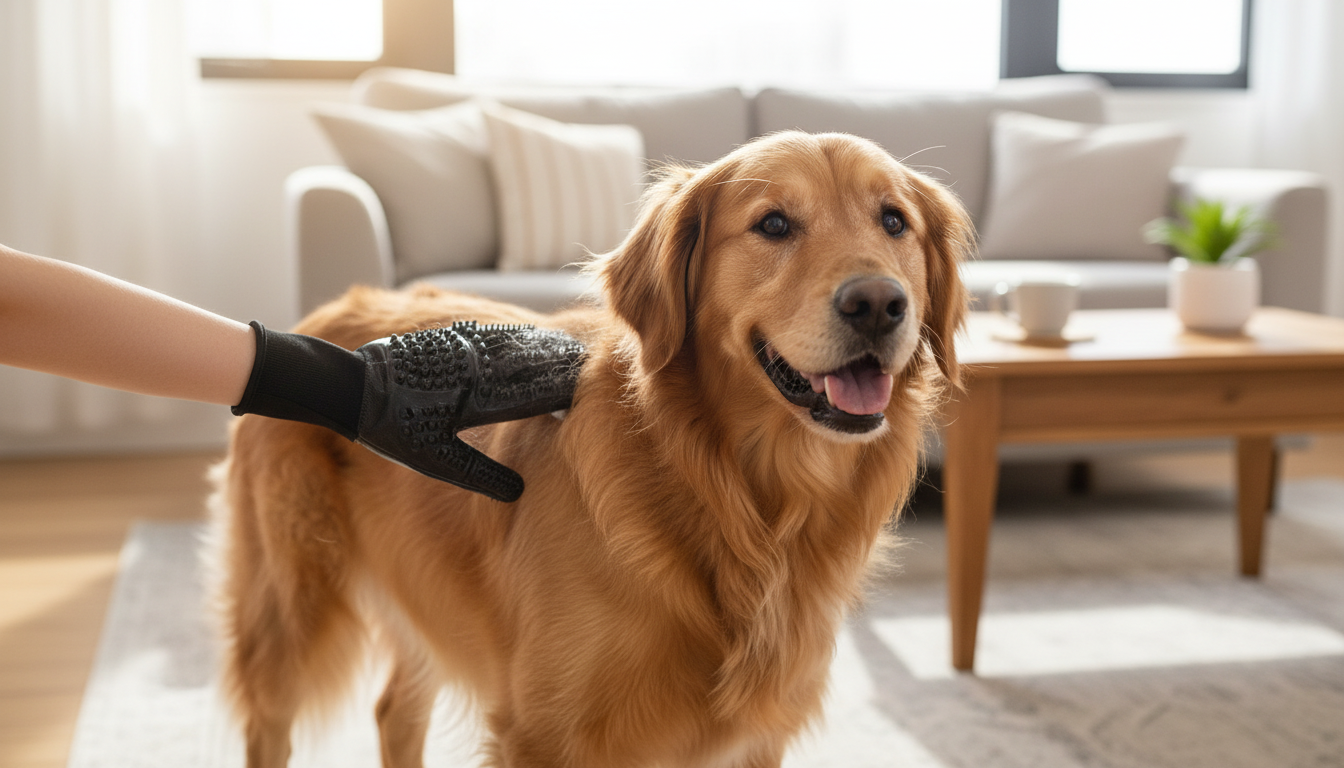
Pet Anti-Shedding Gloves: A Cleaner Home and a Happier Coat
Loose fur can build up fast—on couches, clothing, and in the air. Grooming gloves offer a simple way to lift shedding hair while giving pets a gentle, massage-like brushing session. When used consistently, they can make day-to-day cleanup easier and help coats look smoother by spreading natural oils along the hair shaft.
Below is a practical guide to what anti-shedding gloves do best, how to use them for real results, and how to match a glove routine to coat type and temperament—so grooming feels less like a chore and more like a calm, quick habit.
What grooming gloves do (and what they don’t)
Grooming gloves are designed to grab loose hair from the surface while keeping the experience “hands-on,” which many pets tolerate better than traditional brushes.
- Lift loose hair from the topcoat while distributing natural oils for a smoother look.
- Provide a calming, hands-on grooming option for pets that dislike brushes.
- Help reduce fur transfer to furniture by removing hair before it sheds around the home.
- Do not replace deep de-shedding tools for heavy undercoats during peak seasonal shedding.
- Work best as a frequent, low-effort routine rather than an occasional deep groom.
If your pet has a dense undercoat, think of gloves as your “between-brushes” tool: excellent for surface hair and quick touch-ups, but not a complete substitute for undercoat management. For more background on why pets shed and what influences it, the American Kennel Club (AKC) has helpful general resources on shedding causes and management.
Best use cases by coat type and pet personality
Anti-shedding gloves can be effective across many coat types, but the routine (and expectations) should change depending on how your pet’s hair grows and how they feel about grooming.
- Short-haired dogs and cats: quick daily passes to capture loose hair before it drops.
- Medium coats: combine glove sessions with periodic brushing to prevent tangles.
- Double coats: use gloves for surface hair and finishing; pair with an undercoat rake as needed.
- Curly or woolly coats: use with care to avoid snagging; prioritize detangling tools first.
- Sensitive or anxious pets: introduce gradually; start with brief sessions and reward calm behavior.
Glove routine suggestions by coat type
| Coat type | Session length | Frequency | Extra tool to consider |
|---|---|---|---|
| Short/sleek | 3–5 minutes | Daily or every other day | Soft bristle brush |
| Medium/straight | 5–10 minutes | 3–5x per week | Pin brush or comb |
| Double coat | 5–10 minutes | 3–6x per week (more in spring/fall) | Undercoat rake |
| Curly/woolly | 2–5 minutes | 2–4x per week | Dematting comb (as needed) |
For a baseline on safe home grooming habits, the ASPCA’s pet care guidance is a solid reference point, especially if you’re building a routine for the first time.
How to use anti-shedding gloves for better results
Small technique changes can dramatically improve how much hair you collect—while keeping your pet comfortable.
- Start on dry fur for maximum lift, then try a slightly damp glove for finer hair if needed.
- Use long, gentle strokes in the direction of coat growth; switch to small circles on the shoulders and hips.
- Focus on high-shed zones: back, chest, neck ruff, and tail base (avoid overstimulating the tail).
- Remove collected hair often so the grooming surface stays effective and doesn’t smear hair back onto the coat.
- Keep first sessions short and end while your pet is still relaxed to build positive association.
A useful rhythm is “petting pressure” rather than “scrubbing pressure.” If you can hear the glove dragging or see skin shifting significantly, lighten up and slow down.
Comfort and safety checks
Gloves are generally gentle, but comfort still depends on pressure, timing, and your pet’s skin condition.
Skin and coat quality are also closely tied to overall health. If shedding suddenly spikes, coat texture changes, or itching becomes frequent, check in with a veterinarian. Cornell’s College of Veterinary Medicine has general educational resources on skin and coat health that can help you understand what’s normal versus what needs attention.
Quick care routine: cleaning, drying, and storage
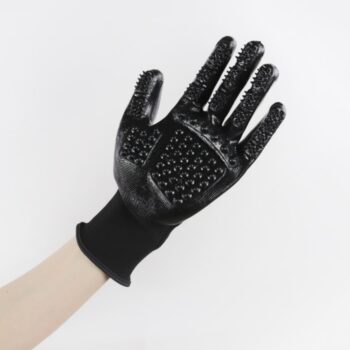
Featured pick: Pet Anti-Shedding Gloves
If you want a simple, low-fuss way to collect loose hair while keeping pets comfortable, Pet Anti-Shedding Gloves are a practical option for quick sessions between baths and brush days. They’re especially useful during high-shed seasons when a few minutes a day can noticeably cut down on fur drifting onto furniture and clothes.
At-a-glance details
| Item | Price | Availability |
|---|---|---|
| Pet Anti-Shedding Gloves | 28.99 USD | In stock |
Optional add-on for calmer grooming sessions
For households working on calmer routines (especially with easily overstimulated pets), structured relaxation tools for the human side of the leash can help consistency. The Anxiety Relief Bundle: A Path to Calm is an in-stock option that can support building steadier daily habits.
Common mistakes that make shedding feel worse
FAQ
Do grooming gloves work for both cats and dogs?
Yes—grooming gloves can work for both, but cats often prefer lighter pressure and shorter sessions. Start with brief strokes on the back and shoulders, and avoid sensitive areas (like the belly) unless your cat clearly tolerates it.
How often should shedding gloves be used?
Most pets do well with short sessions several times per week, while short coats can benefit from daily or every-other-day passes. During spring and fall shedding peaks, increasing frequency (without increasing pressure) usually helps the most.
Can anti-shedding gloves replace a brush?
They’re excellent for surface hair and routine maintenance, but many coats still need traditional tools for deeper grooming. Double coats often require an undercoat rake in peak seasons, and longer or mat-prone coats typically need a comb or brush to prevent tangles.











Leave a comment