

Dr. Martens Men’s Black Leather Ankle Boots: Fit, Style
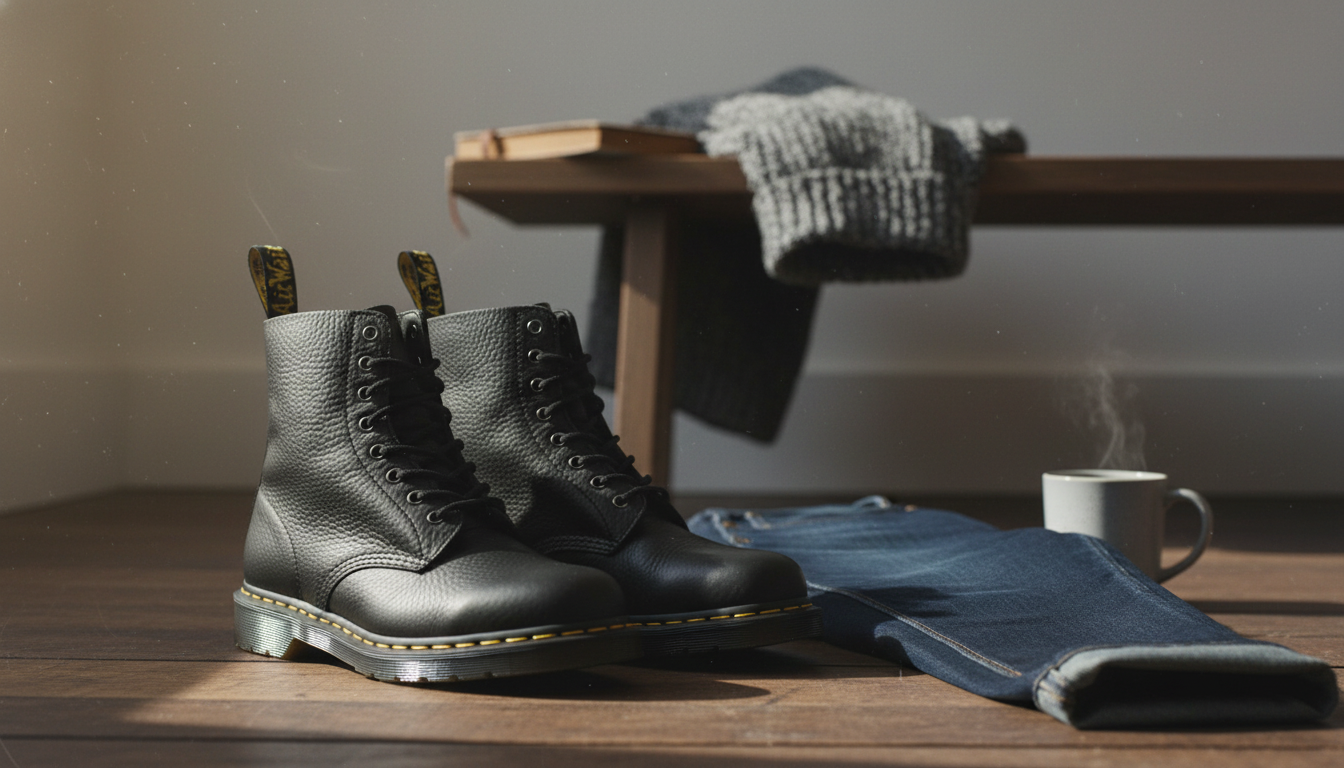
Dr. Martens Men’s Black Leather Ankle Boots: A Daily Staple With Edge
Built for daily wear with a distinctive profile, these black leather ankle boots suit everything from city commutes to weekend plans. Expect a structured silhouette, durable leather construction, and an easy-to-style finish that pairs well with denim, tailored trousers, and layered outerwear. If a “one-pair” boot matters—something that can handle repeat wears, shifting weather, and different dress codes—this is the kind of option that earns its spot by staying versatile without looking generic.
What Stands Out at a Glance
- Black leather upper for a clean, versatile look across casual and smart-casual outfits
- Ankle height offers support without the bulk of taller boots
- A rugged build suited to repeat wear through cooler seasons
- Works as a year-round staple with simple outfit coordination
Black leather boots tend to “disappear” into an outfit in a good way: they sharpen the silhouette, ground louder layers, and keep your look intentional. If you’re building a capsule wardrobe, black ankle boots are one of the most reliable anchors.
Materials, Build, and Comfort Over Time
- Leather uppers tend to soften with wear; early break-in can feel firm depending on thickness and finish
- Look for secure stitching, clean edge finishing, and a stable heel base for everyday reliability
- Comfort improves with gradual wear and appropriate socks; avoid long first-day walks
- For all-day standing or travel days, consider adding a thin insole if extra cushioning is desired
Leather is valued because it can adapt to the shape of your foot over time while still holding structure. That same strength can make the first few wears feel stiff—especially around the vamp and ankle collar. A measured break-in routine matters more than forcing a “day one” marathon. For a quick overview of what leather is and why it performs the way it does, see Encyclopaedia Britannica’s leather reference.
Once the upper starts to relax, the boots typically become easier to flex and more forgiving through the stride. If you’re on hard surfaces all day, a low-profile insole can add comfort without changing the fit dramatically.
Fit and Sizing Tips
- Aim for a snug heel with enough toe room to wiggle; excessive heel lift often leads to rubbing
- If between sizes, consider sock thickness and intended use (daily commuting vs occasional wear)
- Lacing adjustments can fine-tune midfoot hold; avoid over-tightening across the instep
- Break-in strategy: wear indoors for short sessions first, then gradually increase time outside
Quick fit check
| Fit area | Good sign | Potential issue | Easy fix |
|---|---|---|---|
| Heel | Heel feels secure with minimal lift | Slipping causes blisters | Tighten laces, add heel grips, or slightly thicker socks |
| Toe box | Toes can move freely | Pinching or numb toes | Try a half-size up or a thinner insole |
| Instep | Snug without pressure points | Top-of-foot pain | Re-lace to reduce pressure; wear shorter sessions during break-in |
| Ankle collar | Stable with no sharp rubbing | Rubs the ankle bone | Higher socks; soften with gradual wear; consider conditioning |
Fit can also vary by brand and last shape, so it’s worth checking a detailed sizing reference before ordering. Dr. Martens provides guidance here: Dr. Martens Size Guide.
How to Style Black Leather Ankle Boots
- Everyday: straight-leg jeans, a heavyweight tee, and a denim or bomber jacket
- Smart-casual: black or charcoal trousers with a knit sweater and a structured coat
- Work-to-evening: dark trousers, minimal belt, and a clean overshirt or blazer-style layer
- Weather-ready: thicker socks, cuffed denim, and a water-resistant outer layer
For an easy upgrade, keep the outfit palette tight (black, charcoal, indigo, olive) and let texture do the work—ribbed knits, brushed cotton, or a heavier twill. If you like a cleaner leg line, opt for trousers with a slight taper so the ankle opening meets the boot collar without bunching.
Care and Longevity
Leather lasts longer when it’s kept clean and lightly conditioned—especially if you rotate footwear or walk in winter air that dries materials out. For brand-specific care steps and product recommendations, reference the Dr. Martens Shoe Care Guide. A simple routine (wipe, dry, condition) prevents most of the problems that make boots look tired early.
Product Snapshot
- Product: Dr. Martens Men’s Black Leather Ankle Boots
- Price: $228.99 USD
- Availability: In stock
- Best for: daily wear, casual-to-smart-casual styling, cooler-season outfits
Good Matches From the Store
- Armani Exchange Men’s Printed Black Trousers — Creates a sleek, modern silhouette that complements black leather boots, especially for smart-casual looks.
- colorful striped flap handbag with metal chain — Adds color contrast and texture against monochrome footwear and outfits, useful when the rest of the look is understated.
FAQ
How long does it take to break in leather ankle boots?
It usually takes a few wears to a couple of weeks, depending on how stiff the leather is and how long you wear them each time. Start with short sessions, use midweight-to-thick socks, and gradually increase wear time to avoid hot spots.
How should black leather boots be cleaned and conditioned?
Wipe them with a damp cloth to remove dust and grime, then let them dry naturally away from direct heat. Apply a small amount of leather conditioner sparingly and buff lightly; add a protective spray if you expect rain or slush.
What socks work best with leather ankle boots?
Midweight to thick socks are ideal during the break-in period because they reduce friction and help prevent blisters. Once the leather softens, you can switch to lighter socks depending on the season and how snug the fit feels.












Leave a comment