

6-Quart Pressure Cooker Guide: 12 Presets, Tips & Uses
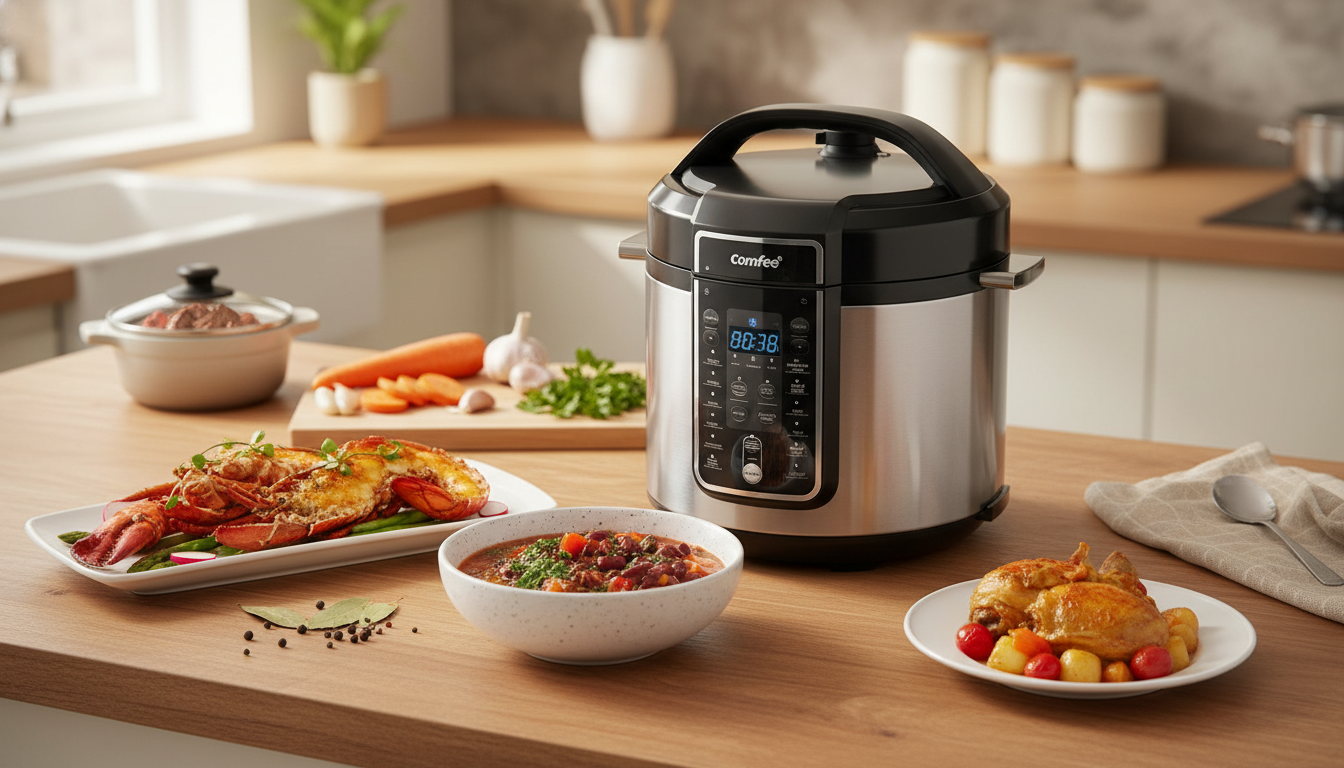
A 6-quart electric multi-functional pressure cooker is the kind of countertop tool that earns its space: it helps turn weeknight staples—beans, grains, roasts, soups, yogurt, and even simple desserts—into mostly hands-off meals. With 12 presets plus manual control, it can cover fast pressure cooking when time is tight and slow cooking when you want that low-and-slow texture. Below is a practical guide to what the presets are best for, how the 6-quart size fits real households, and daily-use tips for consistent results.
What This 6-Quart Multi-Functional Cooker Can Do
A multi-functional cooker shines because it streamlines the whole workflow from prep to serving. Instead of juggling multiple pots (and watching the stove), you can rely on one main appliance for several cooking styles.
- Pressure cooking speeds up braises, soups, stews, and tender meats with less active time.
- Slow cooking delivers set-it-and-forget-it meals when low-and-slow texture is the priority.
- Preset programs handle common foods to reduce guesswork on busy days.
- Warm/hold keeps food ready for serving without the rapid reduction of a stovetop simmer.
- One-pot flow (when sauté is available): brown, cook, then keep warm—cutting dishes and cleanup.
12 Presets, Explained: When to Use Each (and When Not To)
Presets are best viewed as dependable starting points. Use them for repeatability, then switch to manual/pressure cook when ingredients vary (frozen food, thick cuts, or higher altitude).
| Preset | Best for | Typical outcomes | Helpful tip |
|---|---|---|---|
| Meat/Stew | Chuck roast, short ribs, pork shoulder | Fork-tender texture in a fraction of the time | Brown first (if sauté available) for deeper flavor |
| Soup | Brothy soups, bone broth, vegetable soups | Clearer control vs stovetop boil | Add dairy/cream after pressure cooking |
| Beans/Chili | Dried beans, lentils, chili base | Evenly cooked beans without constant checking | Add tomatoes/vinegar after beans are tender |
| Rice/Grains | White/brown rice, quinoa, oats | Repeatable results with less babysitting | Rinse rice to reduce starch foam |
| Poultry | Whole pieces, shredded chicken | Juicy meat when timed correctly | Natural release briefly to reduce splatter |
| Slow Cook | Pulled pork, ragù, soups, mulled drinks | Traditional slow-cooked flavor and texture | Preheat liquids if starting from cold |
How to think about the other common presets
- Steam: Great for vegetables, dumplings, and gentle reheating that preserves moisture. Use quick release to stop cooking promptly.
- Yogurt/Dessert (when included): Yogurt supports fermentation at a steady temperature; dessert programs typically use gentler heat for custards or steamed cakes depending on the unit.
- Manual/Pressure Cook: The most useful “preset” of all for tailoring time to altitude, frozen ingredients, or larger pieces.
Why 6 Quarts Works for Most Kitchens
Six quarts is the practical middle ground: roomy enough for dinner plus leftovers, without being so large that it dominates the counter or feels wasteful for everyday use.
- Capacity sweet spot: Often covers about 2–6 servings depending on the recipe and sides.
- Headspace matters: Pressure cookers need room for steam—never fill above the max line, and be extra cautious with foamy foods like beans and grains.
- Batch cooking advantage: Cook once, portion lunches, and refrigerate or freeze extras for later.
- Recipe-friendly size: Many electric pressure cooker recipes are written with a 6-quart model in mind.
Real-World Meal Ideas That Highlight Pressure + Slow Cook
Using both modes lets you match the tool to your schedule: pressure for speed, slow cook for texture and “all-day” flavor.
- Weeknight pressure meals: chicken tacos (shredded chicken), lentil soup, beef and barley, or risotto-style rice dishes.
- Slow cooker comfort: shredded pork for sandwiches, hearty chili, pot-roast-style dinners, and simmered beans.
- Breakfast and sides: steel-cut oats, mashed potatoes, steamed vegetables, and rice for meal bowls.
- Desserts and specialty programs: cheesecake-style custards, steamed cakes, and yogurt-style fermentation (when available).
Safety and Daily Use Tips for Better Results
For food safety best practices around slow cooking and temperature control, consult USDA FSIS slow cooker guidance, and confirm meat doneness with current USDA recommended temperatures.
What to Look For Before Buying a Multi-Functional Pressure Cooker
Recommended Picks Available Now
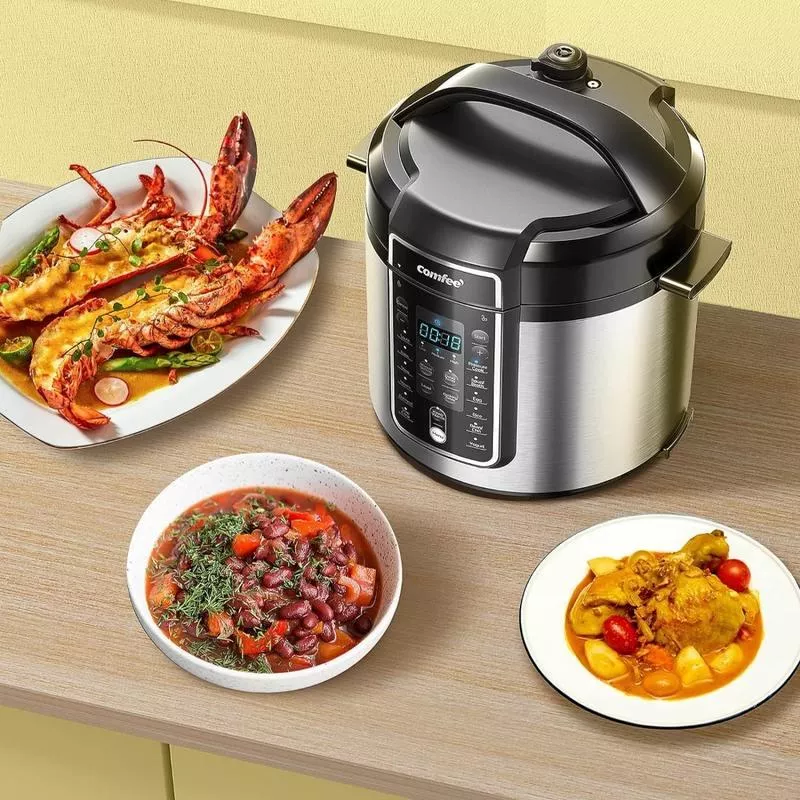
- 6 Quart Multi-Functional Pressure Cooker with 12 Presets, Slow Cooker & More ($127.01): a versatile everyday size for rice, beans, soups, and hands-off slow-cooked meals.
- N7S/N7P Cordless Vacuum Cleaner, 20kPa Suction, Lightweight & Quiet for Pet Hair ($46.82): useful for quick cleanup after cooking, especially around high-traffic kitchen areas.
- Portable 20-in-1 Push Up Board with Resistance Bands – Home Gym Fitness System ($44.51): a compact option for at-home training while dinner cooks on warm/hold or slow cook.
FAQ
Is a 6-quart pressure cooker big enough for a family?
For many households, yes: a 6-quart model commonly covers about 2–6 servings depending on the recipe. Keep in mind pressure cooking requires headspace, so you can’t fill it to the brim—especially with foamy foods like beans and grains. It’s also a popular size for meal prep because leftovers fit comfortably without needing a second batch.
Can the slow cook function replace a dedicated slow cooker?
It can for many meals like soups, chili, and pulled meats, especially when you use enough liquid and allow time to preheat. Results may differ slightly from a traditional slow cooker due to heat profile and evaporation, so sauces may finish a bit thinner. For best flavor, consider starting with warm liquids and using the keep-warm setting only after the food is fully cooked.
What’s the safest way to release pressure?
Natural release is generally safer for high-liquid or foamy foods (soups, beans, braises) because it reduces sputtering at the valve. Quick release works well for vegetables and delicate items when you want to stop cooking immediately. Always keep hands and face away from the steam vent and follow the specific instructions for your unit.













Leave a comment