

Best Seat Cover Material for Dog Hair (Easy-Clean Pick)
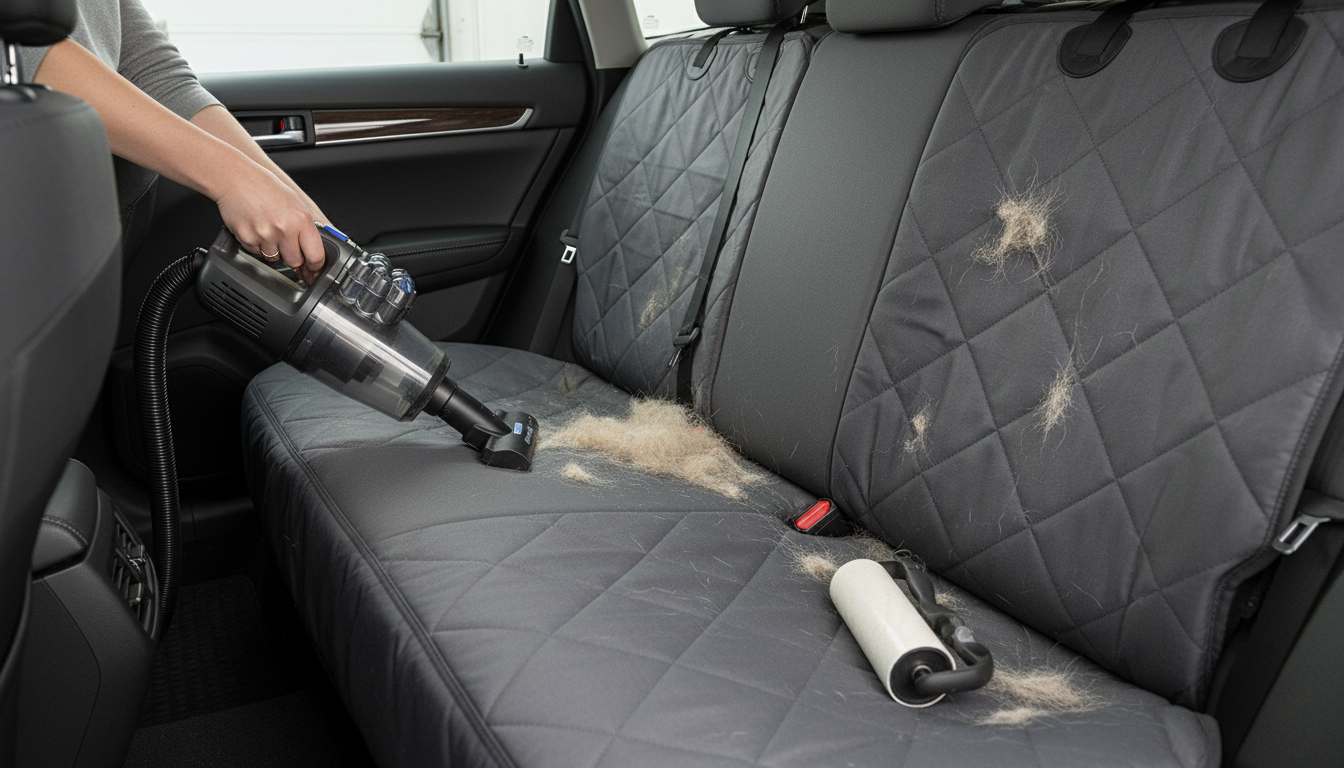
What seat cover material is best for dog hair?
The best seat cover material for dog hair is a tightly woven, smooth, waterproof fabric—most commonly 600D Oxford polyester (often with a PU or PVC coating). This type of material gives hair fewer places to snag, so it tends to sit on the surface where it can be vacuumed or wiped off quickly instead of working its way into the fibers.
Why tightly woven polyester works so well
Dog hair “sticks” most stubbornly to fabrics with texture or open fibers. A dense Oxford weave is comparatively slick and structured, which helps hair slide off when you shake the cover out. It also holds up well against claws, frequent washing, and daily in-and-out traffic, making it a practical choice for long-term use.
Materials to look for (and what to avoid)
Look for: 600D Oxford or similar tightly woven polyester/nylon with a water-resistant coating. These covers are usually easier to vacuum and less likely to trap fine hairs (like from Huskies or German Shepherds).
Be cautious with: fuzzy “plush,” carpet-like, or heavily quilted microfiber tops. While they can feel soft, they often grab hair and make cleanup slower. Also avoid loosely woven canvas-style fabrics if dog hair is your main concern—hair can embed into the weave.
Texture matters as much as the label
Two covers can both be “polyester” yet perform very differently. Choose a cover with a smoother face fabric and minimal raised stitching. If you see deep quilting channels or a brushed finish, expect more hair to lodge in the texture.
Extra features that make cleanup easier
A good anti-hair seat cover also uses non-porous layers (waterproof backing), which prevents hair and dander from settling into padding beneath. Side flaps and seat anchors help keep the cover taut—less bunching means fewer creases where hair collects.
For a broader breakdown of cover types, fit styles, and easy-clean tips, visit the full guide here: https://luxjoy.shop/guide-dog-car-seat-cover-guide-clean-seats-secure-rides/.
FAQ
How do you get dog hair out of car seats fast?
Vacuum first with a crevice tool, then use a rubber brush or a slightly damp microfiber cloth to pull hair into clumps. Finish with a quick re-vacuum to remove what you lifted from seams and corners.












Leave a comment