
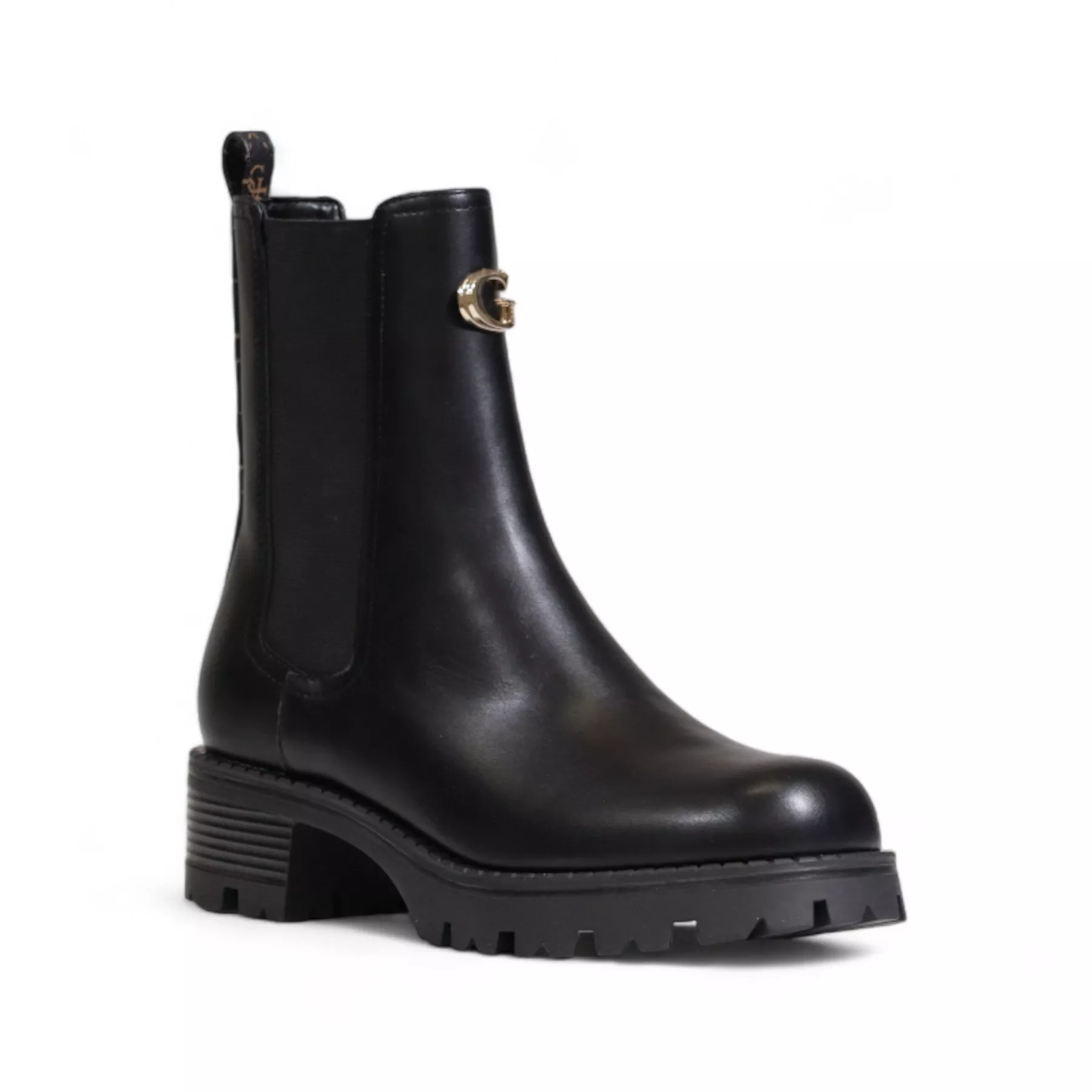
GUESS Women’s Black Block Heel Boots: Fit & Style Tips
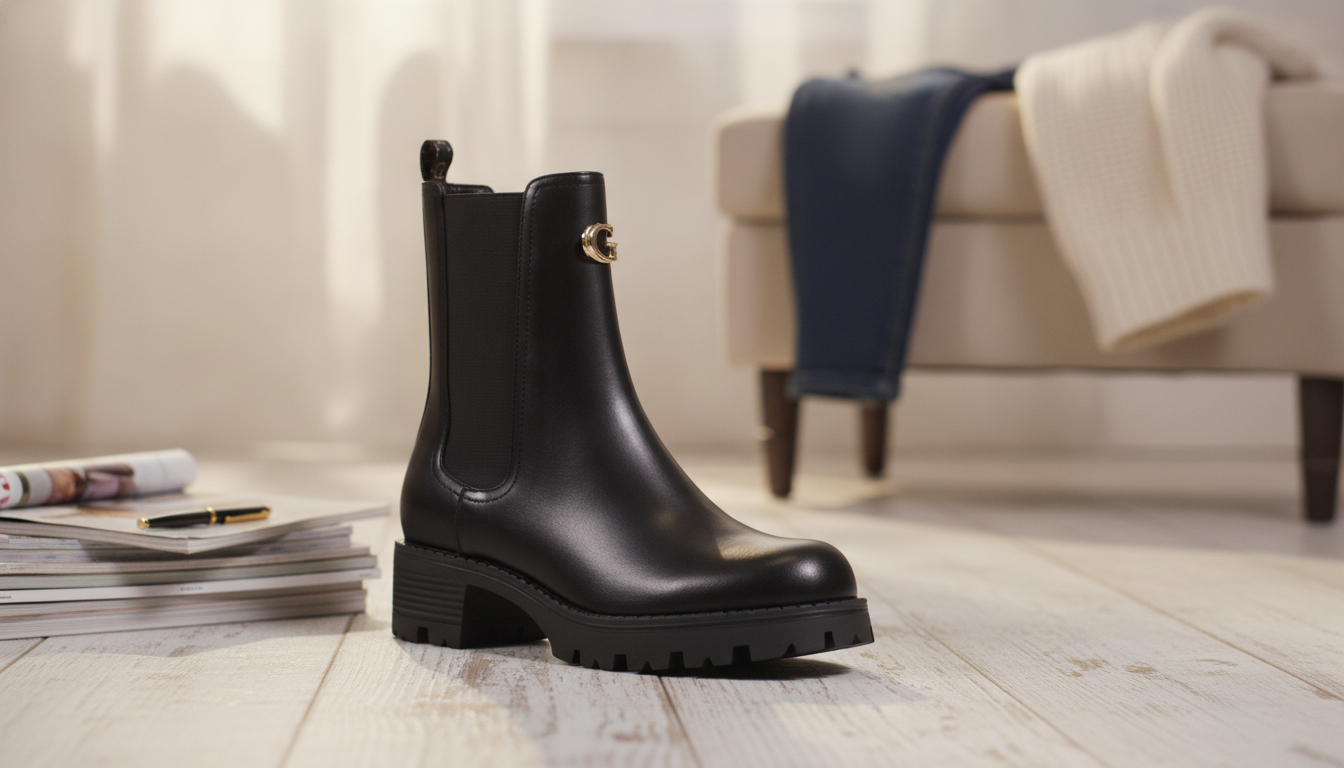
Block heel boots combine the clean look of a heeled silhouette with a steadier feel underfoot. For a polished, everyday-friendly option in black, this guide breaks down what to look for in construction, fit, comfort, and outfit pairing—plus practical tips to choose the right pair when availability changes.
What Makes Block Heel Boots Easy to Wear
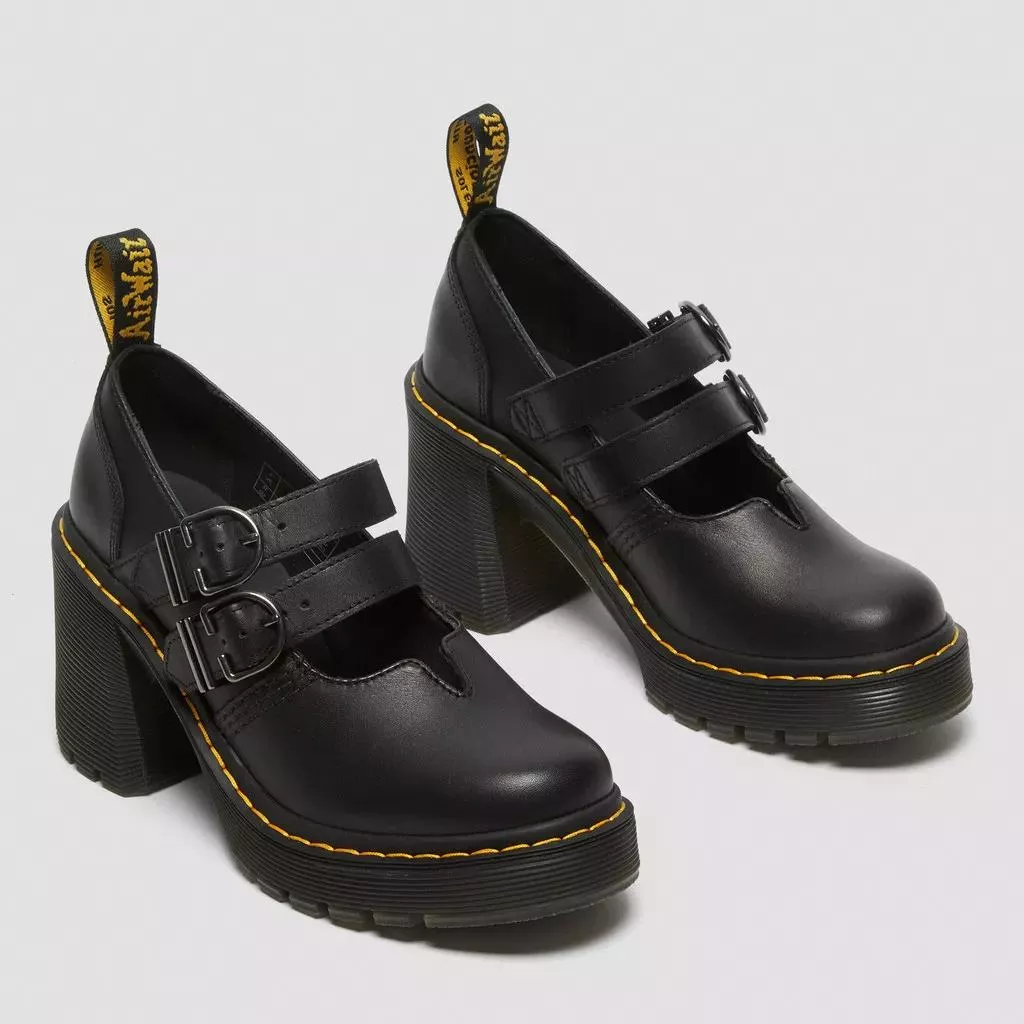
A block heel spreads weight more evenly than a thin heel, which can feel steadier for commuting, standing meetings, and long stretches on hard flooring. That wider footprint can also help your stride feel more predictable on uneven pavement, especially when you’re carrying a bag or moving quickly.
Black ankle boots are a year-round workhorse because they can move between casual and polished without looking out of place. Denim, tailored trousers, sweater dresses, and midi skirts all pair easily with a sleek black boot—making it a reliable choice when you want one pair that covers multiple dress codes.
Two design details do a lot of heavy lifting for comfort and appearance: toe shape and shaft height. A balanced toe (often almond or gently pointed) reads refined while still allowing toe splay. A shaft that clears the ankle bone without cutting across it helps prevent rubbing and keeps the boot line streamlined.
Finally, don’t overlook the outsole and heel cap. The right materials affect grip and noise—important if you’re walking on wet sidewalks or spending time on tile and concrete. A stable heel can still feel “slappy” if the heel cap is too hard or worn down.
Quick Checklist: Details That Affect Comfort
Comfort is a mix of proportions, materials, and how the boot interacts with your foot as the day goes on. Use the checklist below to compare options quickly, especially when shopping online where you can’t test-walk in the boots.
- Heel height: Mid-heels often feel more stable; higher heels may benefit from added cushioning under the ball of the foot.
- Toe box: Look for enough width to wiggle toes; narrow toes can cause numbness after a few hours.
- Insole support: Light arch support and a cushioned forefoot can reduce fatigue.
- Outsole traction: Textured rubber or patterned soles help on wet sidewalks.
- Lining and seams: Smooth interiors reduce rubbing at the heel and ankle bone.
- Closure: Zippers are fast; elastic gores add flexibility; laces allow the most adjustability.
| Feature | Why it matters | What to look for |
|---|---|---|
| Heel block width | Stability and balance | A broader base that feels secure on uneven pavement |
| Toe shape | Comfort over time | Roomy enough to avoid pressure on the big toe and pinky toe |
| Shaft height | Ankle comfort and styling | A height that clears the ankle bone without digging in |
| Outsole | Grip and durability | Tread pattern and a material with reliable traction |
| Insole | Cushion and support | Padding under the ball of foot; light arch structure |
| Closure type | Fit and convenience | Zipper for ease; elastic panels for movement; laces for fine-tuning |
How to Choose the Right Size and Fit
Boot sizing can feel inconsistent across styles, so a simple routine helps you avoid the most common comfort issues.
- Measure both feet in the evening: Feet can swell slightly throughout the day; a pair that fits at night is less likely to feel tight later.
- Check length and toe room: Toes shouldn’t press the front when standing. A thumb-width of space is a helpful benchmark, but prioritize “no pressure” over a strict measurement.
- Focus on heel slip: A little movement can settle after break-in, but persistent slipping can lead to blisters—especially with thinner socks.
- Consider sock thickness: Plan sizing around the socks you’ll actually wear (thin dress socks vs. thicker winter pairs).
- For wider feet or high insteps: Look for adjustable closures, elastic panels, or naturally roomier shapes to reduce pressure across the top of the foot.
When reviewing a boot’s specs, treat the heel height and toe shape as a combined system. A higher heel often shifts more weight forward, so forefoot cushioning and toe box space become even more important for all-day comfort.
Breaking In Without Blisters
Even well-made boots can need a short adjustment period. The goal is to soften friction points gradually rather than forcing a full day too soon.
For general foot-health guidance, the American Podiatric Medical Association (APMA) offers practical advice on choosing supportive footwear. If your workday includes long periods of standing, basic ergonomics principles from CDC/NIOSH can also help reduce overall strain.
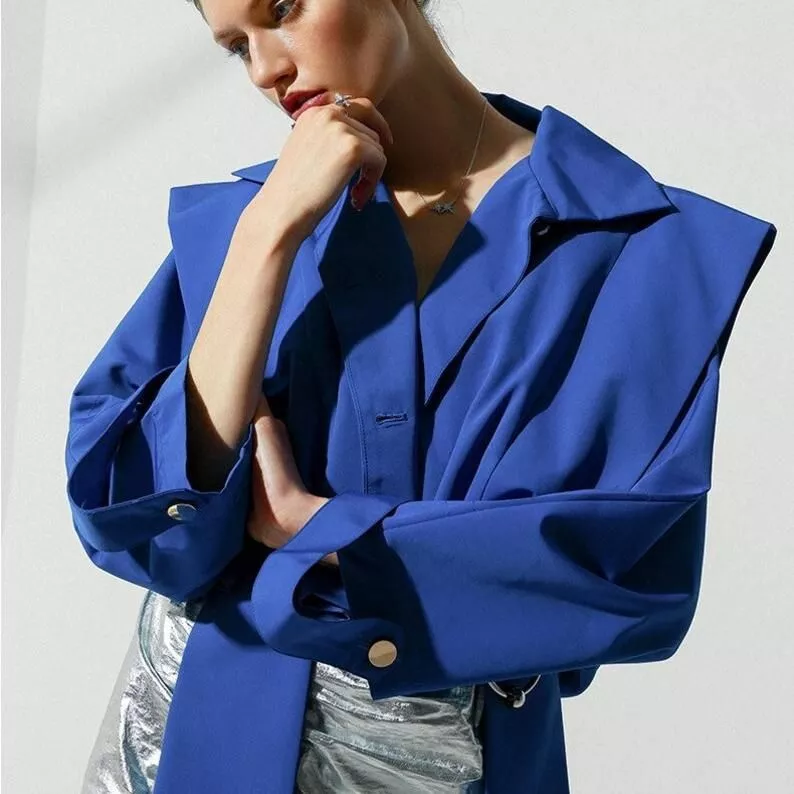
Outfit Ideas for Black Block Heel Boots
Care and Longevity Tips
For material-specific care basics, resources like the UK Leather Guide provide helpful maintenance overviews (including cleaning and protection best practices).
FAQ
Are block heel boots comfortable for all-day wear?
They can be, because a wider heel improves stability and often reduces the “wobble” that makes thin heels tiring. All-day comfort still depends on fit (especially heel slip), toe box space, cushioning under the forefoot, and outsole traction for confident steps.
How should block heel boots fit around the ankle?
They should feel secure without pinching, and the shaft shouldn’t rub directly on the ankle bone when you walk. Check that the heel doesn’t lift excessively; elastic panels or adjustable closures can help fine-tune the fit if your ankles are slim or your instep is higher.
What outfits work best with black block heel boots?
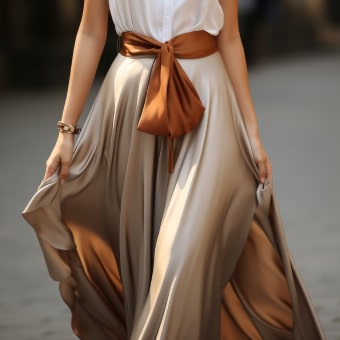
They pair especially well with straight-leg or cropped denim, tailored trousers for work, and dresses or skirts for evenings out. For cold weather, add tights and a sweater dress; for a lengthening effect, keep your outfit tonal (black-on-black) and align hem length with shaft height.










Leave a comment