
Men’s Leather Vans-Style Shoes for Fall & Winter
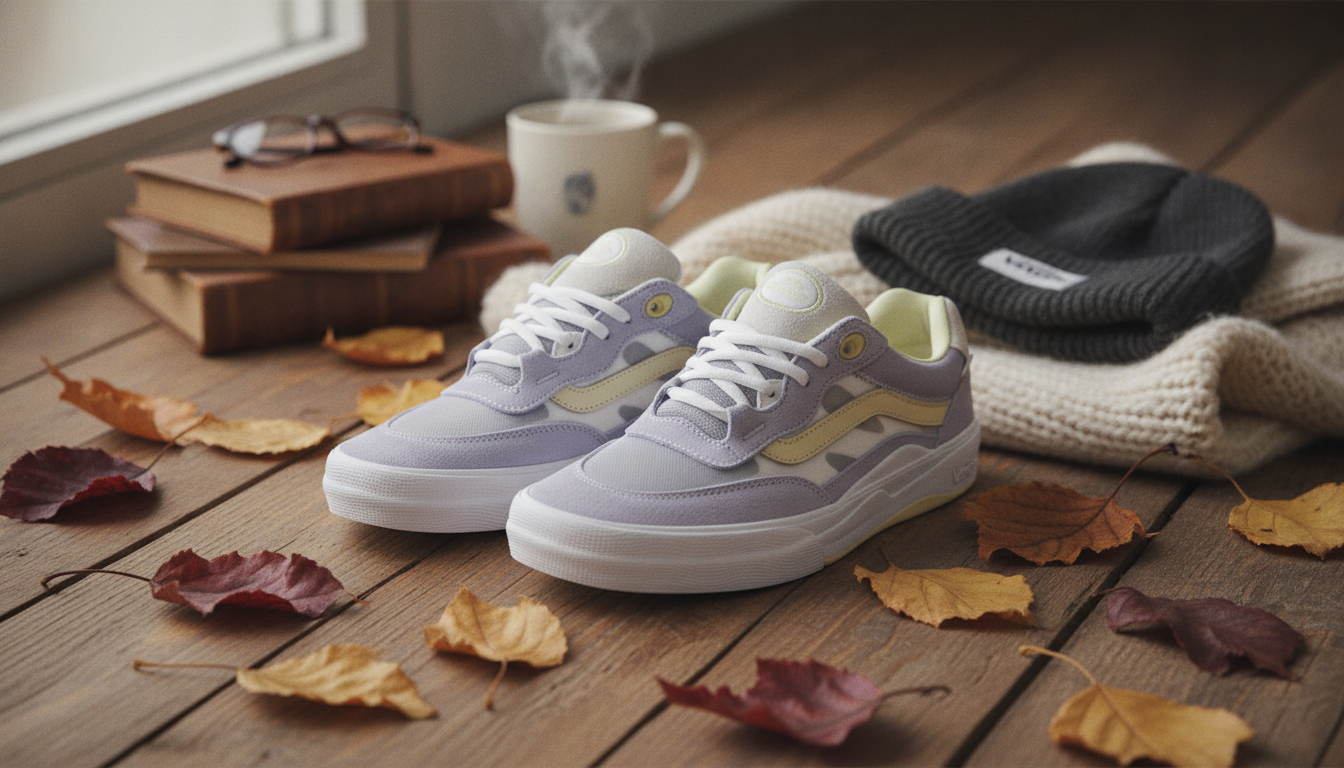
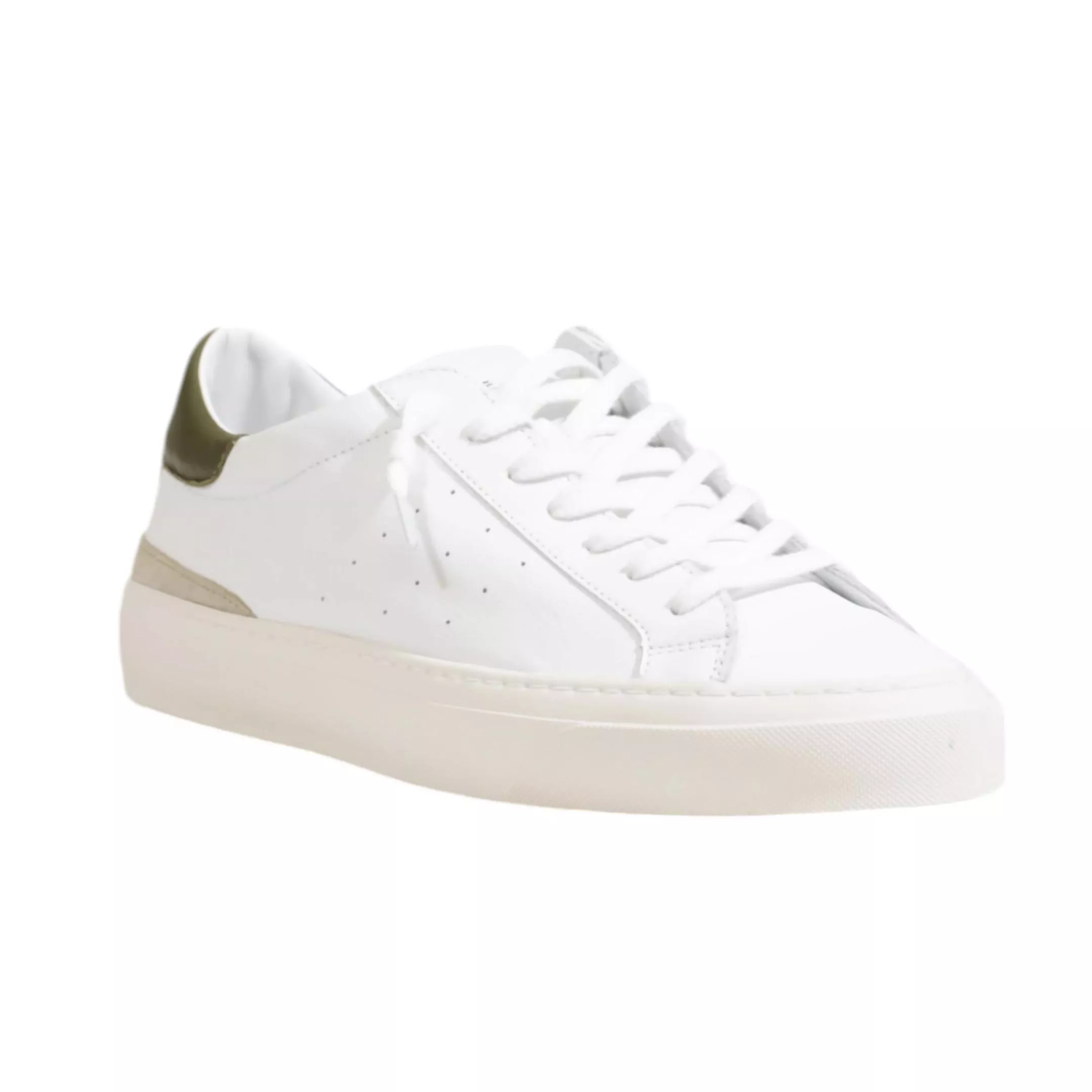
Leather uppers add structure, weather resistance, and easy cleanup—useful upgrades for cooler, wetter months. This guide breaks down what to look for in men’s leather Vans-style fall/winter shoes, how they fit and feel, and how to keep them looking sharp through the season.
Why leather works well for fall and winter
When sidewalks are damp and the forecast changes by the hour, leather offers a more “ready for the day” feel than most canvas uppers. It’s not a substitute for a true winter boot, but it’s a practical step up for everyday cold-season wear.
- Helps block wind and light moisture better than most canvas uppers
- Wipes clean more easily after rain splash, mud, and salt residue
- Holds shape, offering a more supportive feel during longer wear
- Pairs naturally with cold-weather outfits like denim, wool, and heavier outerwear
Materials and build details to notice
Leather shoes can look similar on a shelf, but small construction choices make a big difference once the weather turns. Focus on the parts that take the most abuse: the upper finish, seams, and outsole.
- Upper leather type: smoother leather tends to clean easier; textured leather can hide scuffs
- Collar and tongue padding: more padding can improve warmth and comfort but may feel bulkier
- Stitching density and paneling: reinforced seams typically handle flex and damp conditions better
- Lining and sockliner: a slightly warmer lining can improve comfort in cooler temperatures
- Hardware and laces: sturdy eyelets and thicker laces are more durable in wet, gritty conditions
Quick checklist for fall/winter readiness
| Feature | What it changes | What to look for |
|---|---|---|
| Leather finish | Ease of cleaning and scuff visibility | Smooth finish for easy wipe-down; textured/grain to mask marks |
| Outsole tread | Grip on wet sidewalks | Deeper texture and a fresh sole for better traction |
| Padding/lining | Warmth and comfort | Moderate padding for warmth without overheating indoors |
| Seam reinforcement | Durability in damp conditions | Tighter stitching and well-finished edges |
| Sockliner | Cushion and fatigue reduction | Supportive insole or room for aftermarket insoles |
Comfort, fit, and break-in
Leather typically starts firmer than canvas. That structure is a benefit in fall and winter, but it can change how a shoe feels on day one.
- Break-in is normal: expect mild stiffness at first and a short break-in period as the leather softens
- Plan around socks: sizing may feel slightly snug compared with canvas; thicker socks can push a “perfect” fit into “too tight”
- Prioritize heel hold: a secure heel helps reduce rubbing when you’re walking briskly on wet pavement
- Think about cushioning: for long days standing, prioritize a comfortable sockliner or choose a pair with room for a supportive insole
If blisters are a concern during break-in, keep friction low: wear the shoes for shorter blocks of time at first and make sure the heel doesn’t slip. Practical blister prevention tips are also covered by the NHS blister guidance.
Weather performance: what to expect (and what not to)
Leather improves everyday weather resilience, but it isn’t magic. Understanding the limits helps avoid soaked socks and prematurely worn uppers.
- Light rain and damp sidewalks: leather generally handles this well, especially when conditioned and protected
- Not fully waterproof: prolonged exposure to heavy rain can soak through seams, eyelets, and laces
- Snow and slush: deep snow, slush, and long time outdoors call for dedicated winter boots
- Traction changes over time: outsole wear matters—newer soles usually grip better than worn pairs
For truly cold, prolonged exposure, take layering and time outdoors seriously. The CDC guidance on cold stress outlines common risks and practical ways to stay safer in low temperatures.
How to choose the right pair for your routine
The “best” leather Vans-style fall/winter shoe depends on where you wear it and what your day looks like. Use your routine as the filter, then narrow down materials and fit.
- For commuting and city walking: prioritize outsole grip, easy-clean leather, and an insole that stays comfortable on concrete
- For casual weekends: pick the silhouette that works with most outfits; a slightly roomier fit can feel better with thicker socks
- For frequent wet conditions: smoother leather is easier to wipe down; pair it with a leather-safe water repellent for added protection
- For long days on foot: look for better cushioning or confirm the shoe has space for supportive insoles
- For style versatility: darker leather hides winter grime better and transitions cleanly from daytime errands to dinner
Care and maintenance through the season
A few small habits keep leather looking better for longer—especially when streets are wet and treated with salt. The goal is to dry gently, clean often, and condition lightly.
If odor builds up during the season, focus on drying time between wears and clean socks. The American Academy of Dermatology’s tips on shoe and foot odor are a helpful reference for keeping things fresher.
Outfit pairing ideas for cooler months
FAQ
Are leather Vans-style shoes warm enough for winter?
They’re usually comfortable for cool-to-cold, dry-to-damp days, especially with thicker socks and a moderately padded lining. For deep snow, slush, or long stretches in freezing weather, winter boots are a better choice.
How can leather sneakers be protected from rain and salt?
Use a leather-safe water/stain repellent, wipe off moisture and grime soon after exposure, and let them air-dry away from direct heat. Condition periodically to keep the leather from drying out and showing salt marks.
Do leather sneakers stretch over time?
Most leather will soften and stretch slightly with wear, but it shouldn’t rely on major stretching to become comfortable. Start with a secure heel fit, account for sock thickness, and expect a short break-in period.










Leave a comment