

Flip Unlimited Scratching Board: A 2-Sided Cat Favorite
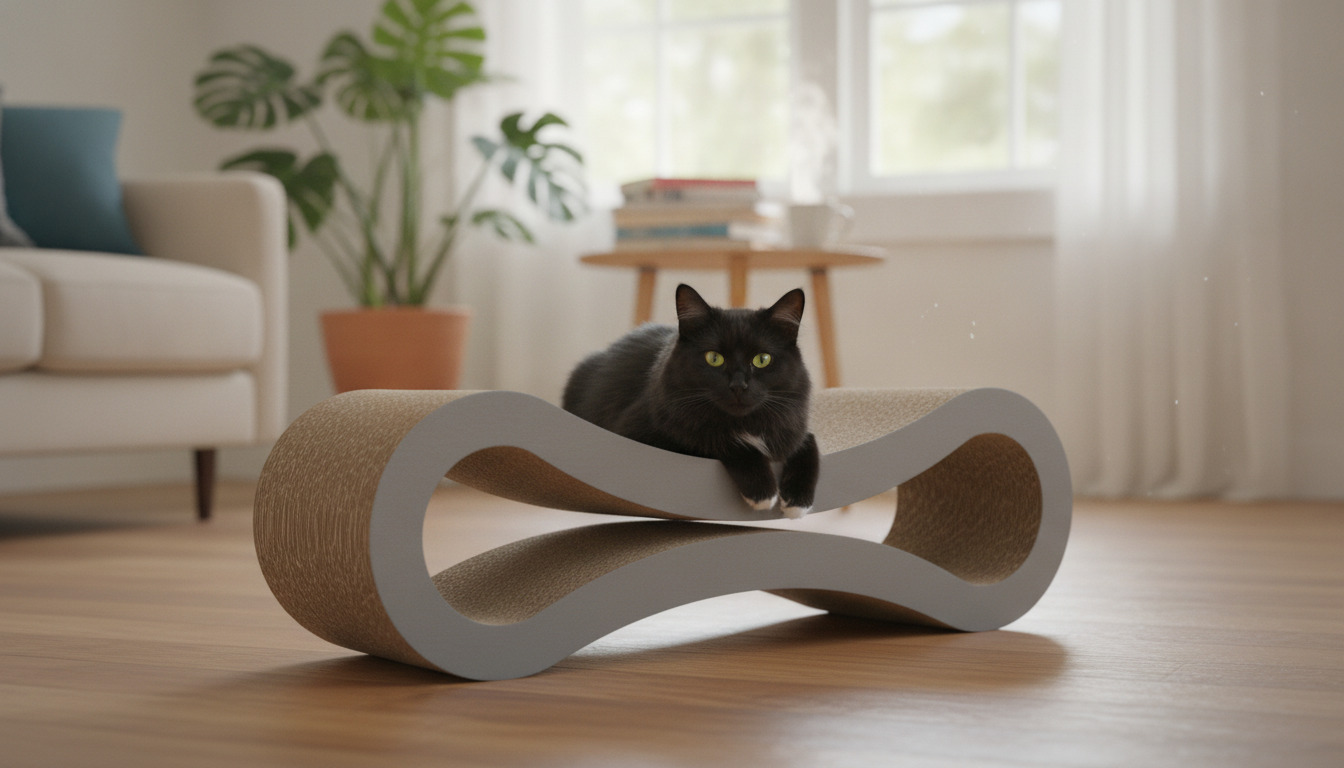
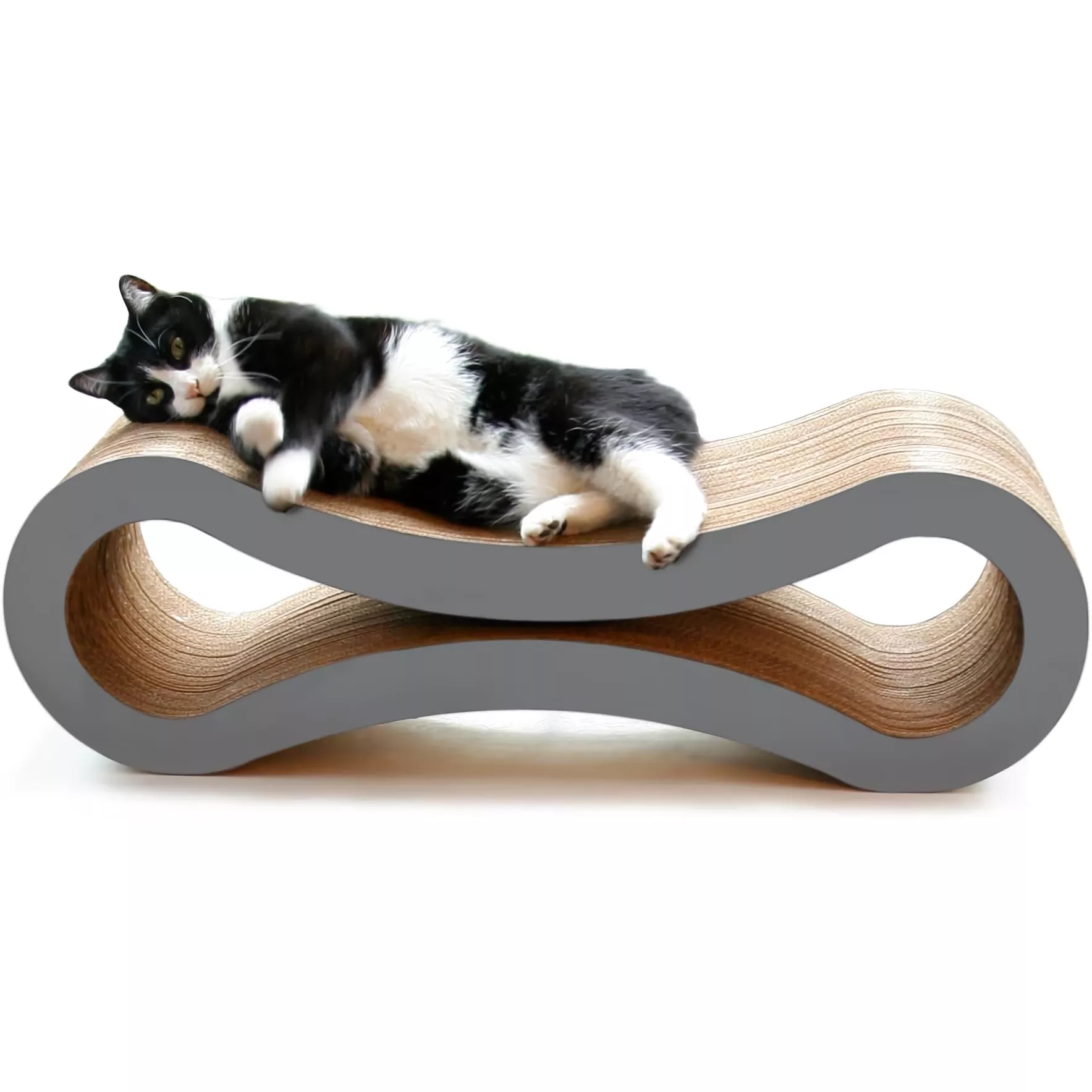
Flip Unlimited Cat Scratching Board
A scratcher that fits daily cat routines should protect furniture, satisfy claw care needs, and encourage healthy play without adding clutter. This flip-style board is designed to be used on more than one surface, giving cats a consistent place to scratch, stretch, and reset—especially helpful in multi-cat homes or for cats that prefer cardboard texture.
What It Is and How It Works
The Flip Unlimited Cat Scratching Board is a cardboard-style scratching board made for repeated use. Instead of tossing it as soon as one surface looks worn, you can flip it to a fresher side and keep it in rotation. That simple “two-sides” approach helps maintain a reliable scratch zone in the home, which is often more effective than trying to stop scratching without offering a clear alternative.
Scratching isn’t random misbehavior—it supports several natural behaviors: full-body stretching, scent marking, nail shedding, and stress relief. Organizations like the ASPCA and International Cat Care note that cats scratch to communicate, maintain claws, and create a familiar environment. A low-profile board makes that easy to accommodate without a bulky post, and it can be placed right where scratching attempts typically happen—near sofa corners, entryways, windows, or favorite nap spots.
For best results, position the board where the cat already wants to scratch, then reinforce that choice with praise or a small reward. Consistent placement matters because cats learn by repetition and location cues—move the target too far away and many cats will return to the original “hotspot.”
Who It Suits Best
This style of scratcher tends to work especially well for cats that enjoy horizontal scratching and a long, grounded stretch. Many cats like to dig in with both front paws while keeping their back feet steady, which a flat board supports naturally.
- Cats that prefer horizontal scratching: Great for scratchers who rake forward and lean into a long shoulder stretch.
- Kittens learning house rules: A simple, obvious target placed beside play areas helps kittens build the “scratch here” habit early.
- Indoor cats needing daily enrichment: Scratching breaks up the day, adds movement, and provides a predictable outlet for excitement.
- Homes redirecting furniture scratching: When placed beside a problem area, a board can become the easiest, most rewarding option.
Key Benefits for Claws, Stress, and the Home
A dependable scratch station supports both cat comfort and household harmony. The biggest benefits usually show up when the board is placed strategically and treated as part of a daily routine rather than a “set it and forget it” accessory.
- Claw maintenance: Scratching helps remove old nail layers so claws stay functional and comfortable.
- Stress regulation: Many cats scratch after waking, after play, or when mildly overstimulated. A consistent board can become part of a self-soothing pattern.
- Territory and confidence: Scratching leaves both visual marks and scent cues. In multi-cat spaces, that can reduce tension by making the environment feel more “organized” and familiar.
- Furniture protection: A more attractive alternative placed directly beside the problem area often works better than deterrents alone.
How to Set It Up for Fast Adoption
Most “my cat won’t use it” scenarios come down to placement, stability, or not making the scratcher rewarding enough at first. A flip-style board is easy to position, so you can test and adjust quickly.
- Place it where scratching already happens: Put it next to the sofa corner, beside a doorway, or near the cat’s bed—where the urge already exists.
- Add attraction: Use a light sprinkle of catnip (if your cat responds to it) or a quick mist of catnip spray on the surface.
- Create a routine: Encourage a few seconds of scratching after meals and after waking, when scratching is most likely.
- Avoid punishment for “wrong” scratching: Instead, briefly block access to the targeted corner and make the board the easiest option to reach.
- Stability matters: If it slides on smooth floors, place a non-slip mat underneath so the cat feels secure digging in.
If your cat approaches the board, sniffs it, or paws at it even once, that’s an opportunity—reward that moment. Early reinforcement can turn a “maybe” into a habit within days.
Maintenance, Cleanliness, and Longevity
Cardboard scratchers are satisfyingly “shreddable,” which is part of why cats love them. That also means some debris is normal. A simple routine keeps the area tidy and extends the life of the board.
Simple care checklist
| Task | How often | Tip |
|---|---|---|
| Vacuum around the scratcher | 2–4 times per week | Focus on corners where debris collects |
| Flip to the fresher side | When wear is noticeable | Flip before it becomes too soft to scratch |
| Move location slightly | Every 1–2 weeks (optional) | Keep it near the original scratching hotspot |
| Full replacement | As needed | Replace sooner for heavy scratchers or multi-cat homes |
How to Choose the Right Scratcher for Any Cat
Common Mistakes That Reduce Use
FAQ
Where should a scratching board be placed?
Place it directly next to the current problem-scratching area or near rest zones (by the bed, sofa, or window). Cats commonly scratch after waking, so keep it near a nap spot and make it stable.
How long does a cardboard scratching board usually last?
It depends on your cat’s size, scratching intensity, and whether multiple cats share it. Flipping to a fresh side extends its life; replace it once the board loses firmness, sheds heavily, or no longer holds interest.
What if the cat ignores the board and keeps scratching furniture?
Move the board closer to the exact scratching spot, add a small amount of catnip, and reward any interaction. Temporarily block the furniture corner, and consider offering both a horizontal board and a vertical post to match your cat’s preference.













Leave a comment