

Cordless Robotic Pool Vacuum Cleaner Buying Guide
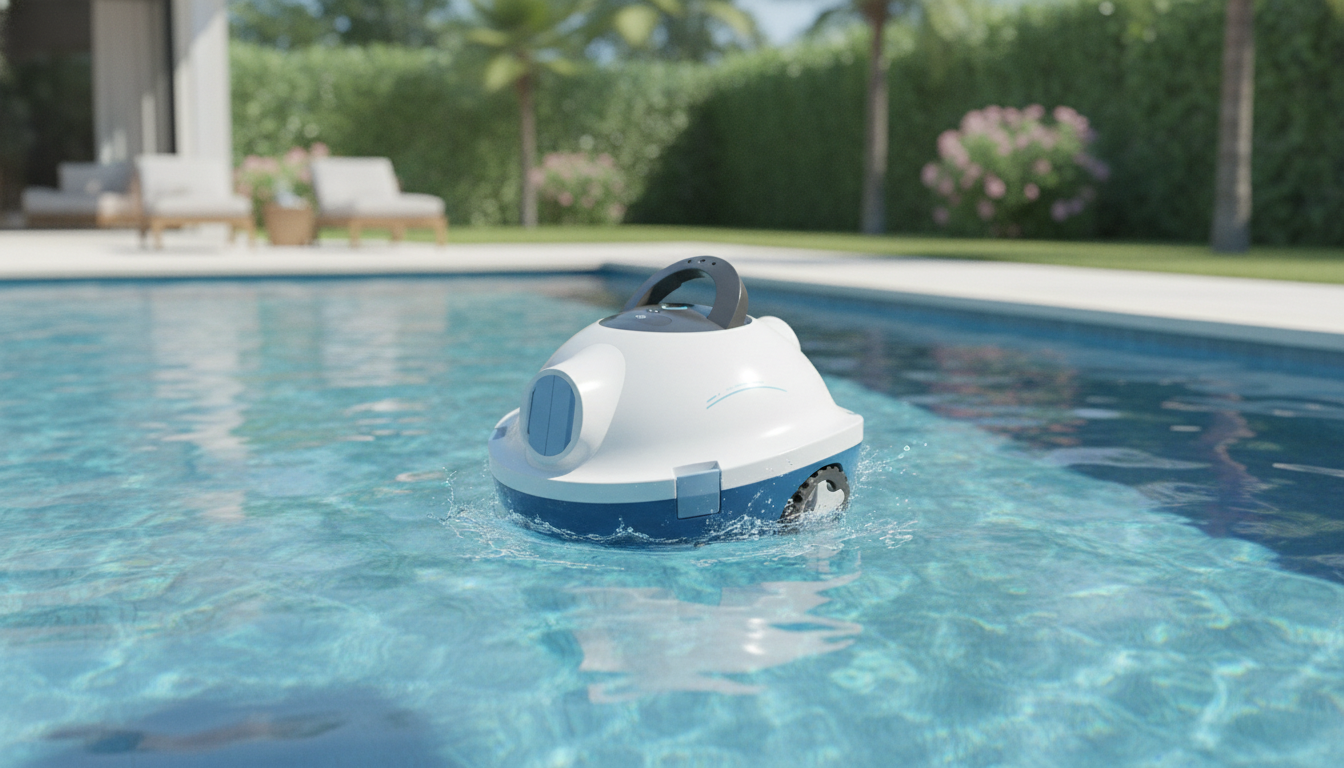
Cordless Robotic Pool Vacuum Cleaner: What to Expect and How to Pick the Right One
A cordless robotic pool vacuum cleaner can keep a pool floor tidy with less daily effort, but performance varies widely by pool type, debris load, and battery design. The best results usually come from choosing a model that matches the pool’s size and surface, then running it on a consistent schedule. Below is a practical look at what these cleaners handle well, where they can struggle, and which features matter most once the robot hits the water.
What a Cordless Robotic Pool Vacuum Cleaner Does (and Doesn’t)
A cordless pool robot is built to drive itself along the pool floor and collect debris in an internal basket or filter chamber. For everyday maintenance, that can mean far less manual vacuuming and fewer “grit underfoot” surprises.
- Cleans the pool floor by moving on its own and capturing debris in an onboard basket/filter.
- Typically targets loose debris like sand, dirt, leaves, and insects; fine silt performance depends on filter mesh and suction design.
- Many cordless units focus on the floor only; wall climbing and waterline scrubbing are less common in entry-level cordless designs.
- May struggle with heavy leaf loads, algae films, or debris stuck to surfaces without brushing action.
- Works best as routine maintenance alongside skimming and balanced water chemistry.
It’s also worth keeping expectations realistic about “clean.” Robots remove physical debris, but water clarity and algae prevention depend on filtration, circulation, and sanitizing. For public-health and maintenance basics, the CDC’s Healthy Swimming guidance is a helpful reference.
Key Features That Change Real-World Results
Two cordless robots can look similar on a spec sheet yet behave very differently in your pool. The features below tend to make the biggest difference in day-to-day outcomes.
- Battery capacity and runtime: Match runtime to pool size and debris level; also consider recharge time if frequent cycles are needed.
- Navigation pattern: Random coverage can be acceptable for small pools; smarter pathing reduces missed spots and repeated passes.
- Suction and intake design: Wider intakes help with leaves; higher suction helps with sand and fine debris (paired with finer filtration).
- Filter type and maintenance: Finer mesh captures more silt but clogs faster; larger baskets are better for leafy pools.
- Brushes and traction: Rubber tracks/wheels and active brushes improve pickup and reduce slipping on smooth surfaces.
- Water depth and shape tolerance: Check minimum operating depth, slope handling, and whether it can clean along coves or curved transitions.
- Weight and retrieval: Easy lift-out, drain ports, or retrieval hooks reduce the “heavy, dripping robot” problem at the end of a cycle.
If a model claims strong fine-debris performance but uses a very fine filter, plan on more frequent rinsing—especially during pollen season or windy weeks when silt loads spike.
Pool Compatibility Checklist
Before choosing a cordless robot, confirm it fits the pool you actually have (not just the pool you wish you had). Small differences—like a steeper slope, a bottom drain dome, or a vinyl liner—can change how well a robot tracks and whether it gets stuck.
- Pool type: In-ground vs above-ground; some models are designed specifically for flat-bottom above-ground pools.
- Surface material: Vinyl, fiberglass, plaster/pebble; traction and brush material should be safe and effective for the surface.
- Bottom profile: Flat, gentle slope, or steep transitions; confirm the unit’s ability to climb or handle inclines if needed.
- Typical debris: Fine sand/pollen vs leafy debris; prioritize filtration fineness for silt or basket size for leaves.
- Obstacles: Main drains, steps, ladders, and return fittings; consider anti-tangle design and behavior around protrusions.
- Waterline expectations: If wall/waterline cleaning is required, prioritize models explicitly rated for wall climb and scrubbing.
Compatibility at a Glance
| Pool / Condition | What to Prioritize | Common Pitfall |
|---|---|---|
| Small above-ground (flat bottom) | Solid runtime, simple coverage pattern, easy emptying | Weak filtration leaving fine grit behind |
| Large in-ground (deep end + slopes) | Longer runtime, strong traction, slope handling | Short battery life causing incomplete cycles |
| Dusty/sandy environment | Finer filter mesh, good suction, easy rinse-clean filters | Filter clogs quickly without frequent rinsing |
| Leafy backyard pools | Large basket, wide intake, strong drive system | Small baskets filling mid-cycle and reducing pickup |
| Vinyl liner pools | Gentle brushes/traction designed for vinyl | Overly aggressive brushes causing unnecessary wear |
How to Choose the Right Model
For broader pool-care standards and operator resources, the Pool & Hot Tub Alliance (PHTA) resource center is a useful place to learn about safe, consistent maintenance practices that complement robotic cleaning.
Setup, Daily Use, and Maintenance Habits That Extend Lifespan
Troubleshooting Common Problems
FAQ
How long should a cordless pool robot run to clean a pool floor?
Runtime depends on pool size and debris, but many small pools do well with 45–90 minutes per cycle. Larger or dirtier pools may need longer cycles or multiple runs, and a clogged filter can shorten effective cleaning even if the battery still has power.
Can a cordless robotic pool vacuum cleaner pick up fine sand and silt?
Yes—if the robot uses sufficiently fine filtration and maintains strong water flow through the filter. The tradeoff is that fine mesh clogs faster, so rinsing the filter more often during dusty periods is usually necessary, and ultra-fine sediment may still require occasional manual help.
Is it safe to use a cordless pool robot in a saltwater pool?
Often it is, as long as the unit is rated for saltwater use by the manufacturer. Rinsing the robot with fresh water after each cycle and choosing corrosion-resistant components can help reduce long-term wear.













Leave a comment