
Guess Women’s Brown Marl Wallet: Compact Style Guide
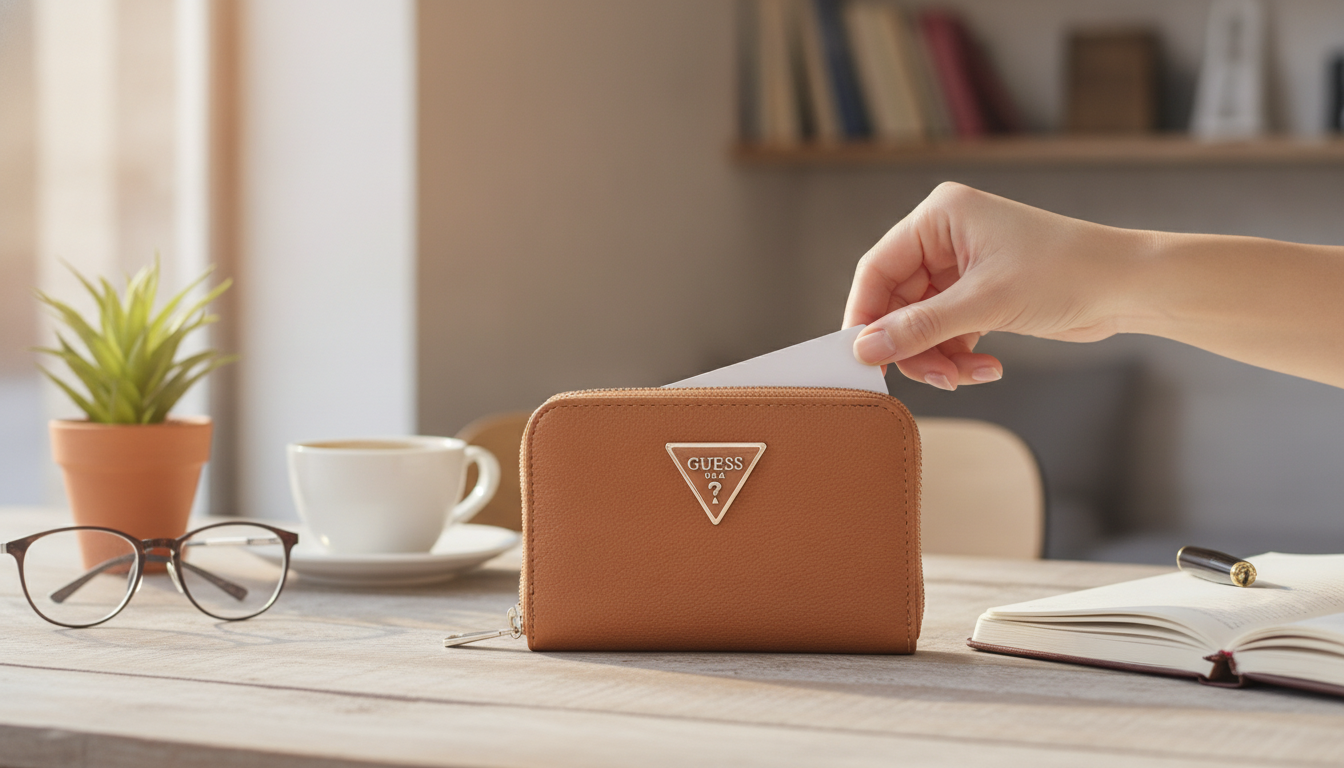
Guess Women’s Brown Marl Wallet
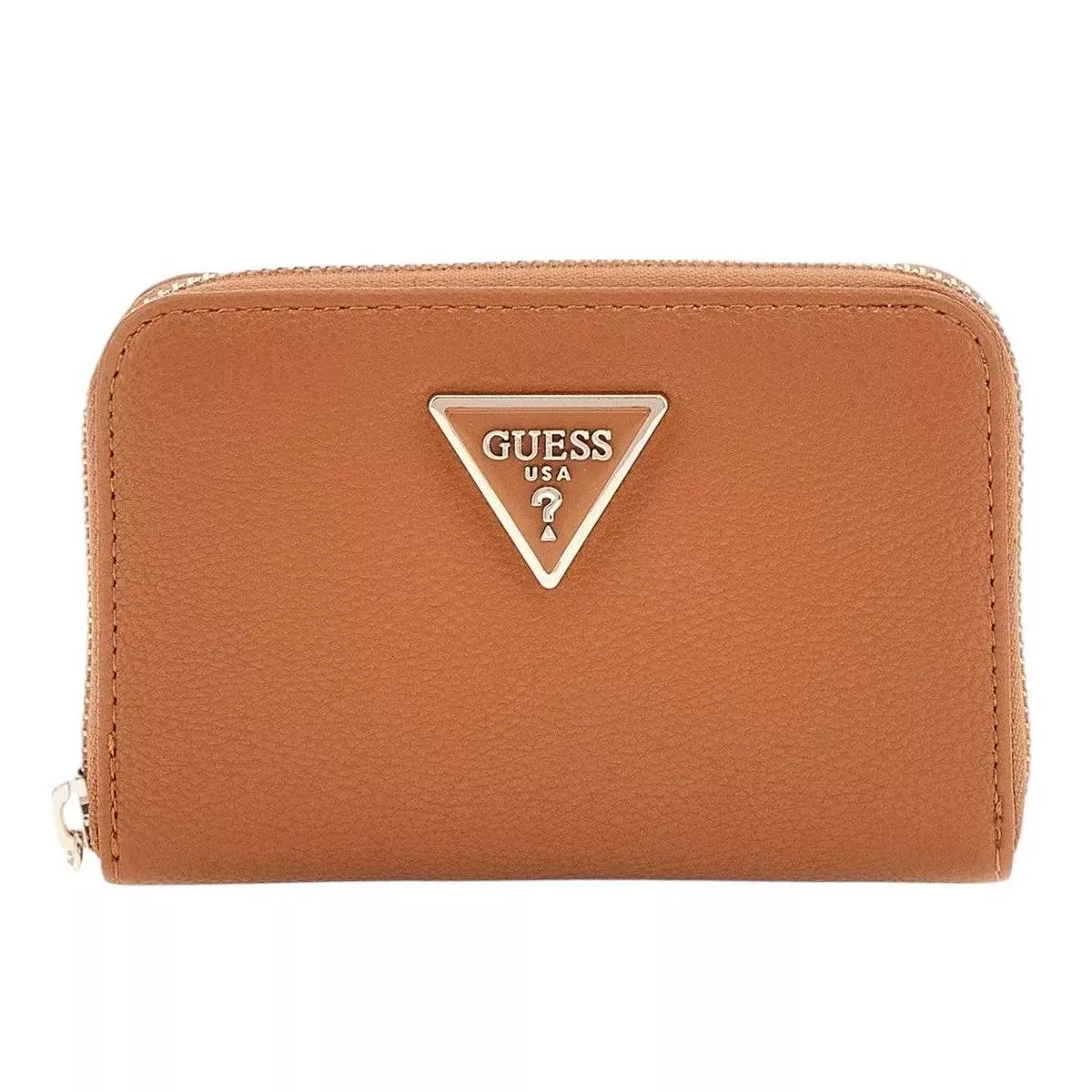
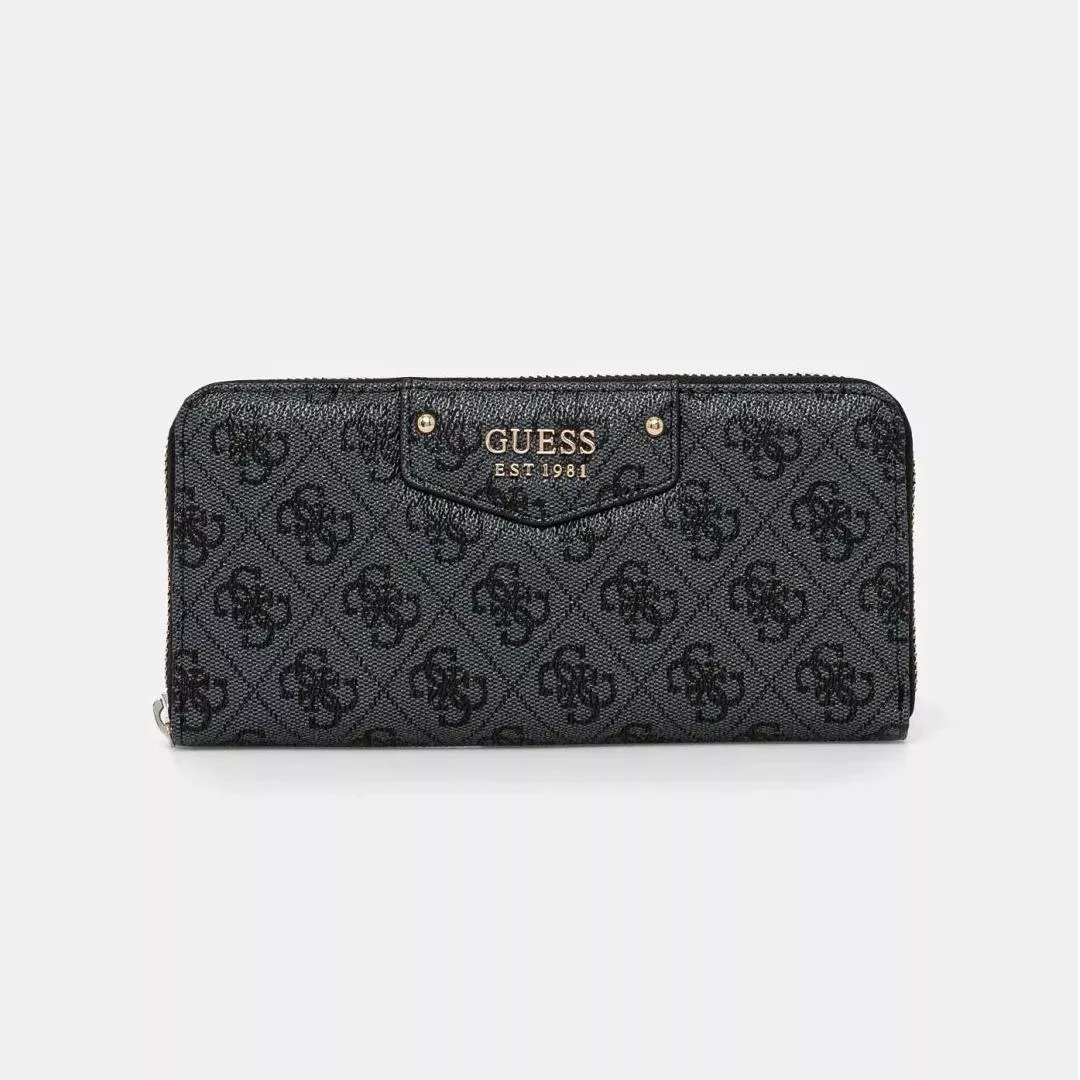
A compact wallet can make everyday carry feel simpler—especially when it’s built to keep cards, cash, and coins organized without turning into a bulky pouch. The Guess Women’s Brown Marl Wallet is a neutral, easy-to-pair option with a warm brown tone and a textured “marl” look that suits daily errands, work bags, and travel alike.
Quick look: what this wallet is best for
- Everyday carry when a full-size wallet feels too large
- Neutral styling that pairs well with brown, black, denim, and earth-tone accessories
- Keeping essentials separated: cards vs. bills vs. receipts vs. coins (depending on the interior layout)
At-a-glance details (confirm on the product page)
| Detail | What to look for | Why it matters |
|---|---|---|
| Color/finish | Brown marl texture | A mid-tone neutral can hide minor scuffs and coordinate with many bags |
| Closure type | Snap, zip-around, or fold-over (varies by model) | Impacts security and how quickly the wallet opens at checkout |
| Card capacity | Number of dedicated card slots | Prevents overstuffing and keeps cards easy to access |
| Bill storage | Full-length or folded compartment | Determines whether bills stay flat or need to be folded |
| Coin pocket | Zippered or snap coin section | Helps prevent loose change from spilling into the bag |
| Material/care | Coated fabric, faux leather, or leather blend (verify) | Affects durability, cleaning method, and how the wallet ages |
| Size profile | Compact vs. long wallet dimensions | Determines fit in small crossbodies and jacket pockets |
Design and finish: the appeal of a marl look
The marl-style texture is a low-key way to add dimension. Instead of a bold print, the finish relies on a subtle, woven-like visual that reads polished without being loud—an easy match for minimalist outfits, classic workwear, or weekend denim.
- A marl-style texture creates visual depth without loud patterns, making it suitable for minimalist or classic wardrobes
- Brown tones tend to look less stark than black while still reading as polished and versatile
- Textured finishes can be more forgiving of fingerprints and small marks than high-gloss materials
Organization: cards, cash, and the small stuff
A wallet earns its place by reducing friction at the moments that happen all day long: tapping a card, pulling an ID, or tucking a receipt away before it crumples. With a compact profile, the key is to use each compartment intentionally so the wallet stays tidy and easy to close.
- Prioritize easy-access slots for the cards used daily (ID, main payment card, transit pass)
- A separate section for receipts helps avoid a bulky, misshapen fold over time
- If a coin pocket is included, a zippered option typically offers the most spill protection—especially when the wallet rides in a tote or backpack
If you routinely carry loyalty cards, membership cards, and backup payment options, consider a rotation system: keep “everyday cards” in the wallet and move rarely used cards to a separate slim holder at home. This keeps the silhouette neat and helps closures last longer.
Size and carry: choosing the right profile for your bag
Size is more than dimensions—it’s the difference between a wallet that disappears into a small crossbody and one that becomes the “hard edge” you’re always bumping into. Compact wallets generally feel best in small bags and front pockets, while longer profiles can make bill storage and receipt sorting simpler.
- Compact wallets are ideal for small crossbodies and belt bags; long wallets can be easier for organizing bills and receipts
- If the wallet will be used for travel, consider whether it can hold multiple cards, a little cash in different denominations, and a spare key card without forcing the closure
- Check the product photos for thickness when closed—this often predicts how it will feel in hand and whether it will sit flat in a bag pocket
One practical test: imagine the wallet carrying its “real-life load” (not the empty, brand-new version). If it’s already close to the edge of closing when full, it may bulge quickly as receipts and coins accumulate.
How to choose the right women’s wallet style
When stock varies and similar-looking wallets can have very different interiors, a quick checklist keeps the decision grounded in everyday habits.
Care and longevity: keeping it looking fresh
Small accessories see heavy handling, so a little maintenance goes a long way. Pay attention to the care guidance that comes with the item—consumer goods often follow standardized labeling practices, and it’s worth checking before using any cleaner. For general reference, the Federal Trade Commission publishes guidance on care labeling rules: Federal Trade Commission: Care Labeling Rule.
If the wallet includes leather or leather-like materials, cleaning and conditioning recommendations can vary by finish and coating. For broader material education, the American Leather Chemists Association (ALCA) is a helpful starting point for understanding leather care topics.
Styling and gifting notes
Value considerations
FAQ
How many cards should a wallet hold without getting bulky?
For most everyday routines, about 6–10 daily cards is a comfortable range. Once a wallet is overstuffed, it can strain the closure and distort the shape, so rotating rarely used cards into a separate holder helps keep things streamlined.
Is a zip-around wallet better than a snap closure for everyday use?
Zip-around styles usually feel more secure because they fully contain cards and cash, especially in crowded commutes or when carried in a tote. Snap closures can be faster at checkout, but they’re more likely to strain if the wallet is frequently overfilled.
How should a brown wallet be cleaned safely?
Use gentle spot-cleaning with a soft, slightly damp cloth and avoid harsh chemicals unless the item’s care guidance specifically approves them. Since materials vary, checking the manufacturer’s instructions is the safest way to prevent discoloration or damage.










Leave a comment