

Compact 4-Slice Toaster Guide: Wide Slots, 7 Shades
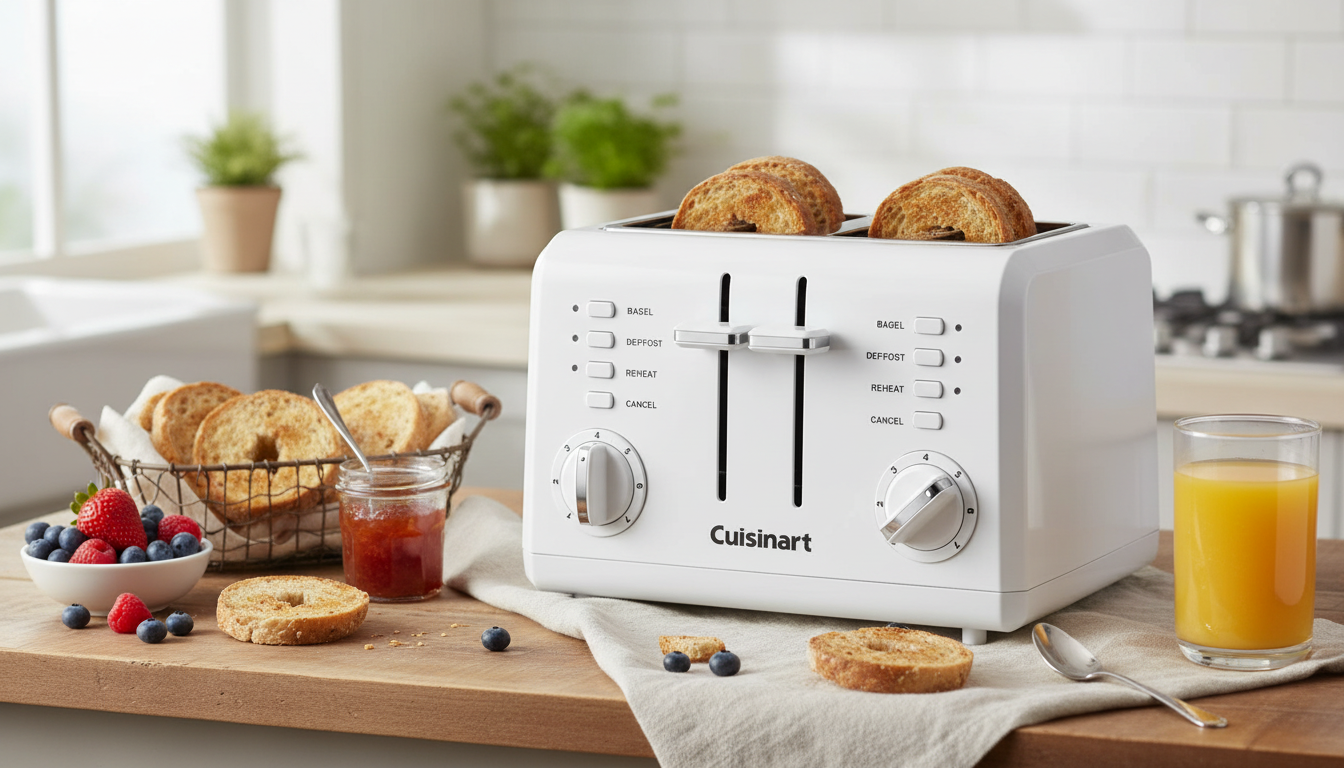
Why a Compact 4-Slice Toaster Earns Its Space
A 4-slice toaster that stays compact is built for kitchens where speed and counter space both matter. Compared with many wide-bodied 4-slice models, a compact design can deliver similar capacity while leaving more room for coffee makers, cutting boards, or meal prep. It’s also a practical upgrade for households that regularly toast for more than one person—think weekday breakfasts, after-school snacks, or brunch spreads—without forcing multiple rounds that cool off between cycles.
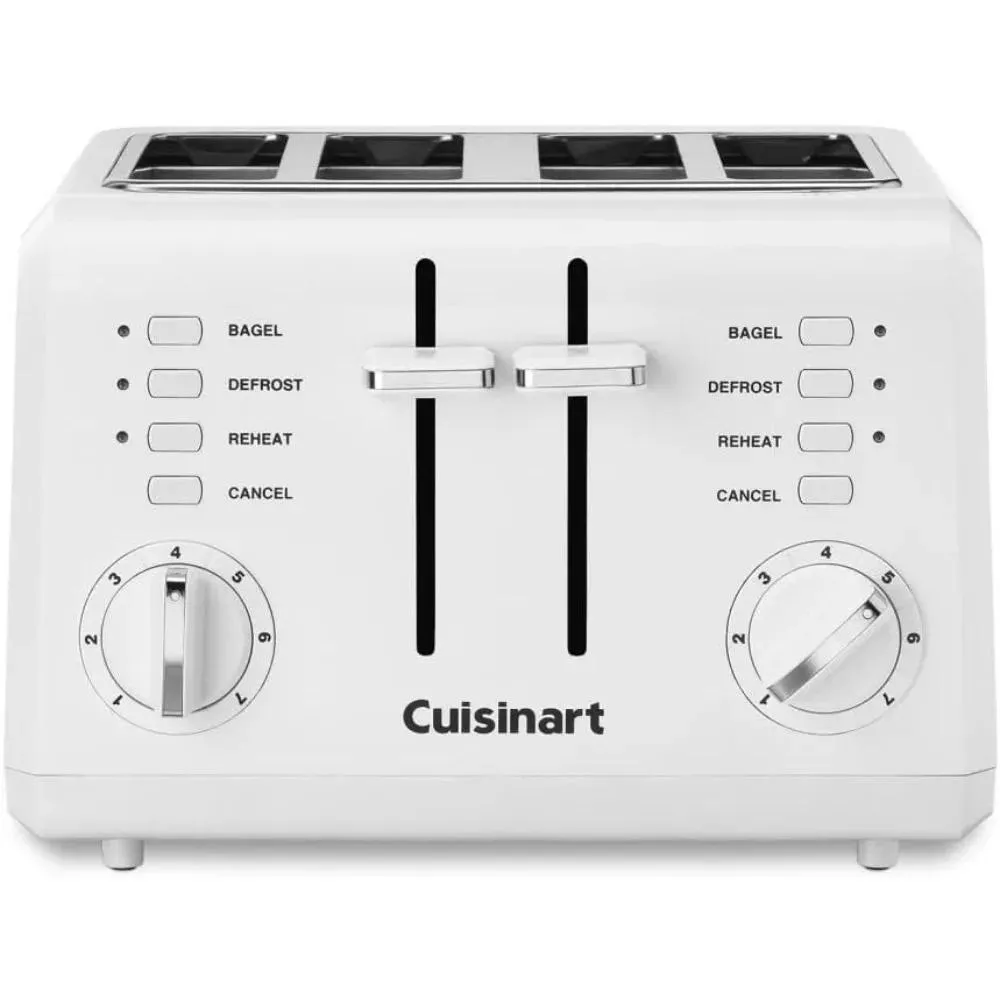
Two features tend to define this toaster style: extra-wide slots and a 7-level shade dial. Extra-wide slots expand what you can toast (bagels, Texas toast, thicker artisan slices), while seven shade settings give finer control between “just warmed” and “crisp and deeply browned.” Together, they aim to reduce the small annoyances that slow mornings down: jammed bread, uneven results, and repeated cycles that over-dry the surface.
What Makes a Compact 4-Slice Toaster Practical
- More toasting capacity without a bulky footprint: A compact chassis can be easier to place on tight counters and in small kitchens.
- Fewer batches for family breakfasts: Four slices at once helps with bagels, waffles, and sandwich bread when multiple people are eating at the same time.
- Seven shade settings for “in-between” preferences: Small adjustments matter when one person likes lightly golden toast and another wants it crunchy.
- Extra-wide slots for thicker breads: Bagels and artisan slices that snag in standard slots typically slide in and out more smoothly.
Extra-Wide Slots: What They Help With (and What to Watch)
Extra-wide slots are less about novelty and more about daily compatibility. Thick-cut breads can compress in narrow slots, which may lead to uneven browning and tough removal. With wider slots, breads sit more naturally, which can help the toaster heat both sides more consistently.
- Thick-cut and textured items fit better: Split bagels, English muffins, and frozen waffles are common “problem toasts” for narrow-slot toasters.
- Less scraping during insertion: Wider clearance reduces friction that can tear soft bread or rub off seeded crust.
- Height still matters: Tall bakery slices may stick out above the slot, leaving the top edge lighter unless the toaster’s heat coverage is strong—or unless the slice is flipped.
- Retrieval should be easy: A high-lift lever (or similarly easy retrieval design) helps prevent burned fingertips when pulling out smaller items.
Common items and slot needs
| Item | Typical thickness | Why extra-wide slots help | User tip |
|---|---|---|---|
| Bagels (halved) | Thick | Reduces squeezing and uneven browning from tight slots | Use the bagel setting if available for a crisper cut side |
| Texas toast | Very thick | Prevents snagging and makes insertion/removal easier | Choose a medium shade first; thick bread browns slower |
| Artisan sourdough slices | Varies; often wide | Supports irregular shapes better than narrow slots | Center the slice to avoid one-sided browning |
| Frozen waffles | Medium | More clearance for ridges and edges | Use defrost setting if available, or a slightly higher shade |
| Gluten-free bread | Often smaller slices | Not required for width, but consistent heat helps | Prefer adjustable shade and high-lift retrieval |
7 Shade Settings: Getting Consistent Results
A 7-setting shade dial sounds straightforward, but shade numbers are not universal. The same “3” can look different across brands because heating elements, internal sensors, and slot design all affect how fast moisture evaporates and how quickly sugars brown.
- Calibrate with a simple test: After unboxing, try one cycle with plain white bread to learn what each level looks like in your kitchen.
- Account for density and thickness: Thicker slices may need a higher setting—or sometimes two passes at a lower setting—to toast through without scorching the outside.
- Remember temperature and moisture: Frozen bread typically needs more time, while room-temperature slices can brown faster. High-moisture breads may toast unevenly if the heat profile is too aggressive.
For households with mixed preferences, seven settings can reduce guesswork: one person can reliably land on lightly golden while another can push darker without relying on repeated cycles that dry the bread.
Daily-Use Features That Matter Most
Beyond slot width and shade control, a few everyday functions tend to separate “fine” from “easy to live with.”
- Cancel button: Stops the cycle instantly when a phone call or kid distraction hits mid-toast.
- Defrost: Warms gently first, then toasts—helpful for preventing a hot exterior with a cold center.
- Reheat/warm: Refreshes toast that cooled down without pushing it much darker.
- Evenness: Consistent heat distribution means fewer pale corners and fewer do-overs.
- Removable crumb tray: A tray that slides out smoothly is more likely to get emptied, reducing burnt-crumb smells over time.
How to Choose the Right Compact 4-Slice Toaster
Care, Cleaning, and Safety Basics
Toasters are simple appliances, but basic care prevents smoke, odors, and overheating. For general home safety guidance, reference the U.S. Consumer Product Safety Commission (CPSC) and the NFPA cooking safety resources.
FAQ
Do extra-wide slots toast unevenly compared with standard slots?
Not necessarily. Evenness depends more on heating design and how well the bread is centered than on slot width alone. For best results, use similar-sized slices in the same cycle and do a quick test to find the shade setting that browns evenly.
What shade setting should be used for bagels and thick bread?
Start around the mid-range setting, then adjust after one test cycle. Thick bread often needs a higher setting to toast through, while bagels may do best with a bagel mode (if available) that focuses more heat on the cut side.
How often should the crumb tray be cleaned?
Weekly works well for frequent use, and more often if you toast daily. If you notice smoke or a burnt odor, clean it immediately—always unplugging and letting the toaster cool first.













Leave a comment