

Crock-Pot vs Slow Cooker vs Pressure Cooker Explained
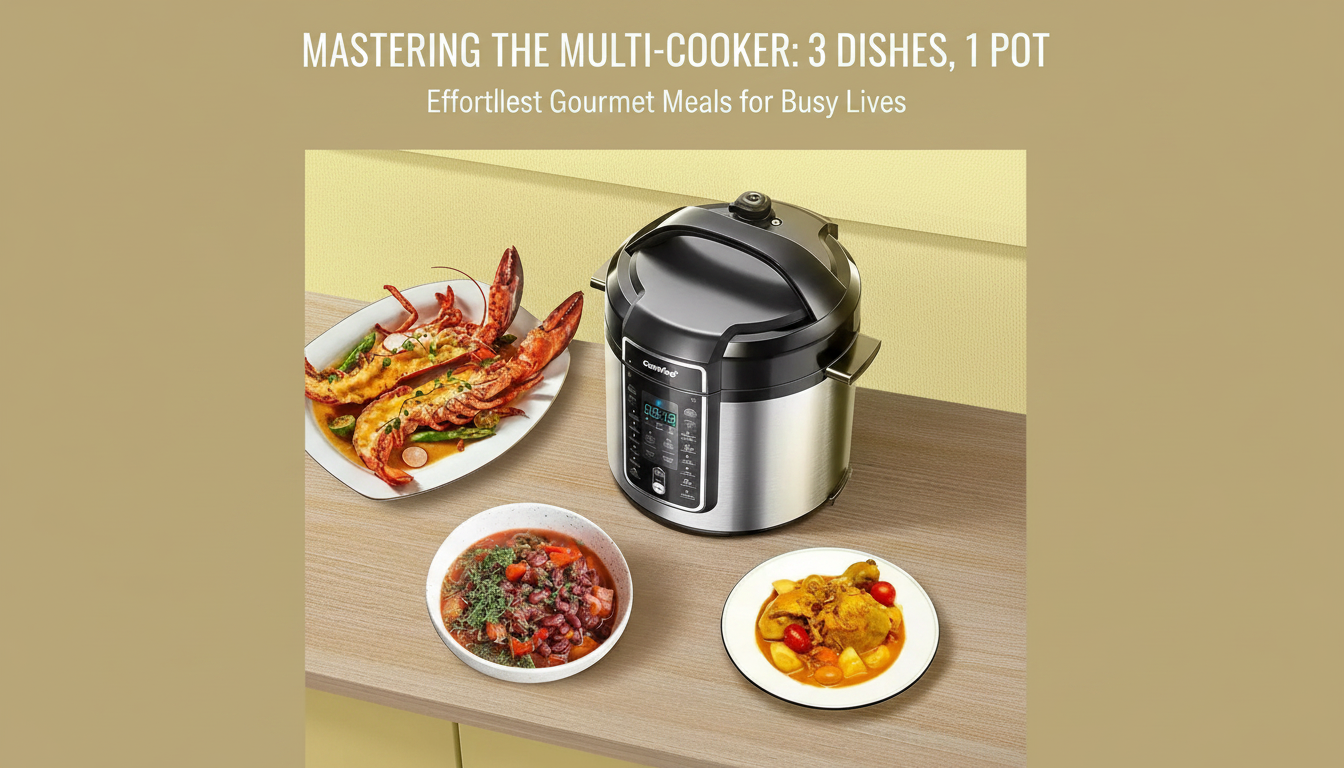
What’s the difference between a crockpot and a slow cooker and a pressure cooker?
Answer
These three terms get used interchangeably, but they aren’t the same thing. The simplest way to separate them is by how they heat food, how fast they cook, and what kinds of results they’re best at producing.
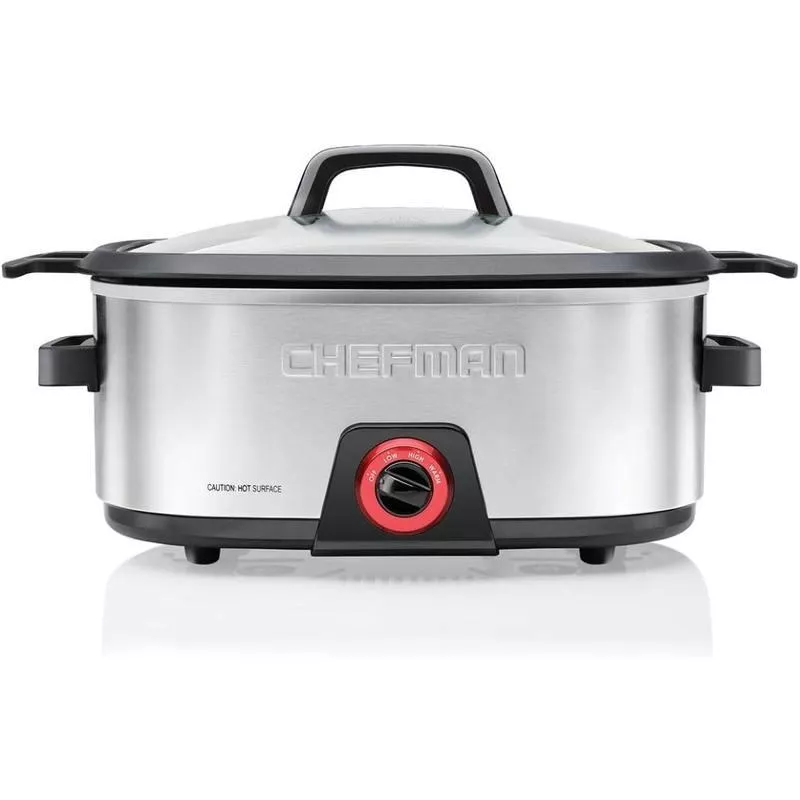
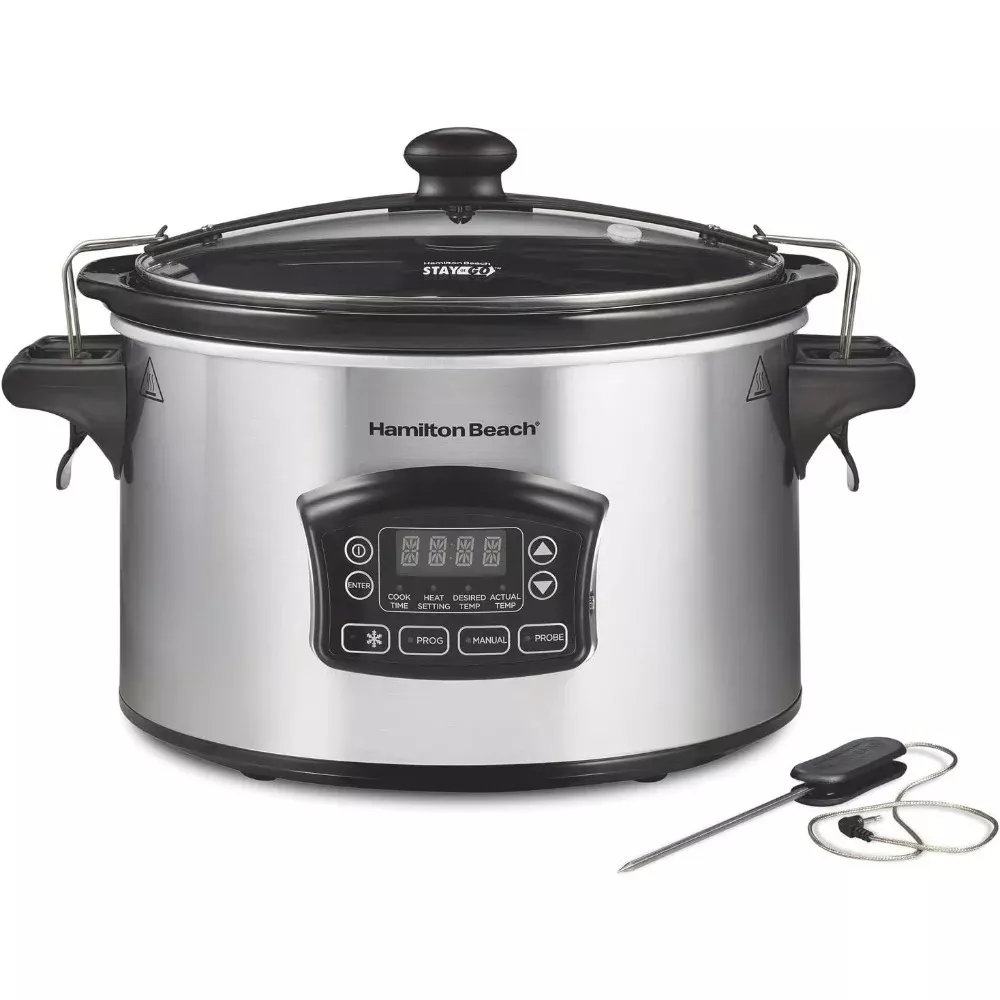
A Crock-Pot is a brand name of slow cooker. Many people say “crockpot” to mean any slow cooker, but technically Crock-Pot is one manufacturer’s version. Like other slow cookers, it uses low, steady heat over several hours. Many Crock-Pot models place the heating element around the sides of the pot, which can promote more even simmering.
A slow cooker is the general category. It cooks at low temperatures (typically “Low” and “High” settings) for long periods—often 4 to 10+ hours. It’s ideal for hands-off meals that benefit from gentle cooking, like pulled pork, chili, pot roast, beans, and soups. Slow cookers are forgiving, but they can soften vegetables and won’t brown meat on their own unless you sear first in a separate pan.
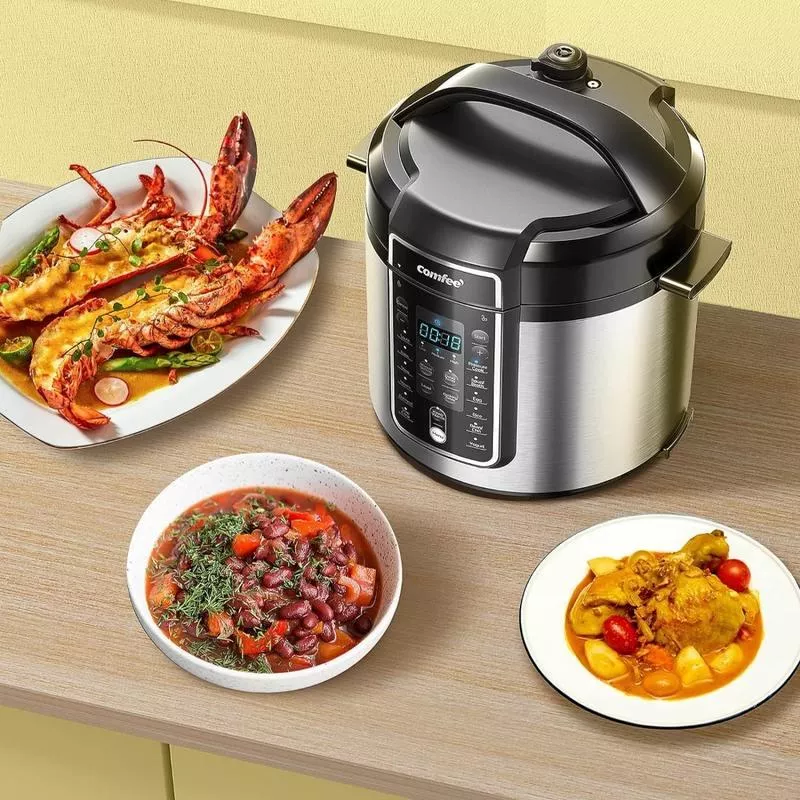
A pressure cooker cooks in a sealed pot that traps steam and raises the boiling point of water, letting food cook much faster. Instead of hours, many recipes finish in 10 to 60 minutes. Pressure cooking excels at tenderizing tough cuts (stew meat, short ribs), speeding up beans and grains, and making weeknight-friendly soups, braises, and shredded meats. The trade-off: less reduction and caramelization during cooking, so sauces may need a quick simmer afterward, and delicate ingredients can overcook if timing is off.
If speed, versatility, and preset programs matter, a modern electric pressure cooker can be a strong upgrade. For a practical breakdown of capacity, presets, and everyday uses, see this guide: 6-quart pressure cooker guide with presets, tips, and uses.
FAQ
Can you use a pressure cooker as a slow cooker?
Many electric pressure cookers include a slow-cook function, but it may heat differently than a dedicated slow cooker. For best results, use the recommended lid/vent setting and allow extra time if the heat is less direct.












Leave a comment