

10-Minute Mindfulness Journal: Printable Calm & Focus
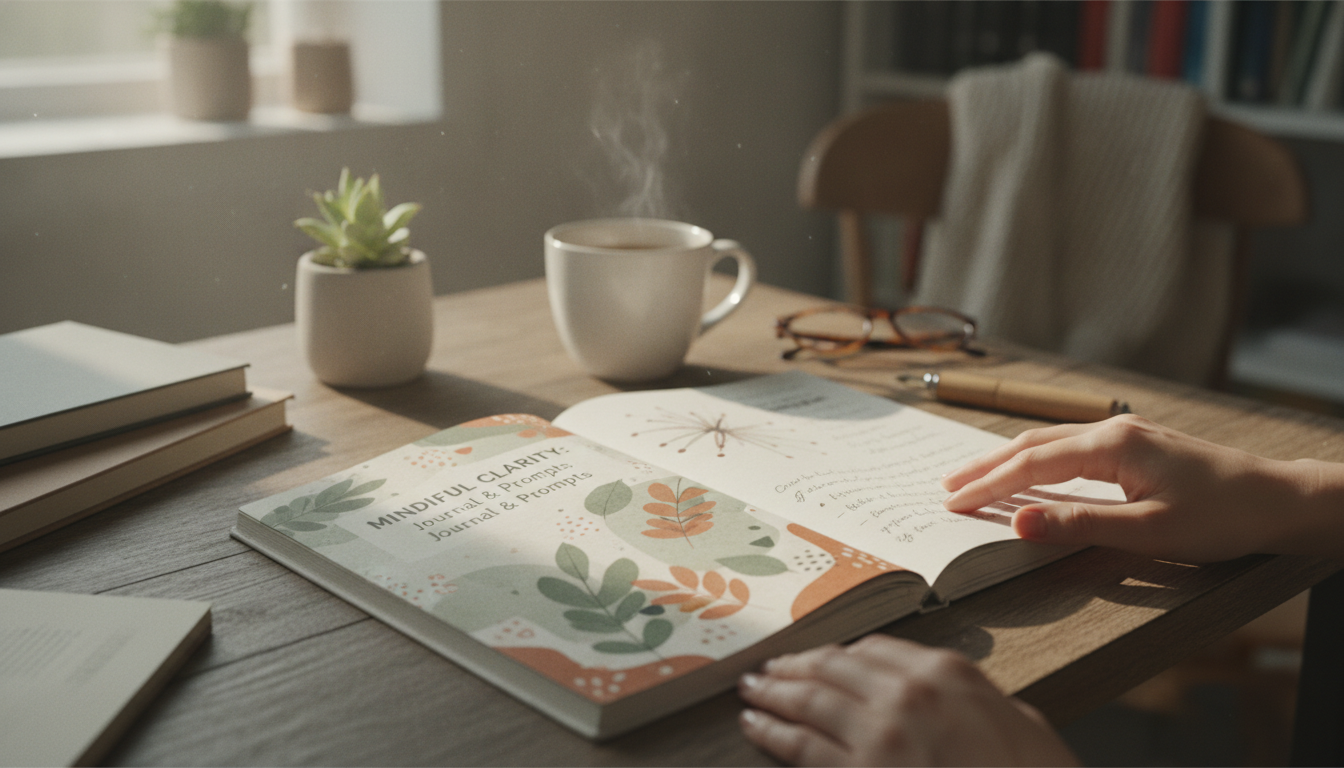
Mindful Clarity: A Printable Journal Routine for Calm, Focus, and Emotional Balance
A simple journaling rhythm can steady attention, soften stress reactions, and make space for gratitude and self-compassion. A printable mindfulness journal works especially well because it’s ready when you are: a few pages you can keep by the bed, at a desk, or in a bag—no elaborate setup required. With a small, repeatable routine, journaling becomes less about writing “well” and more about noticing clearly, responding gently, and returning to what matters.
What This Journal Style Supports
A mindfulness-focused printable journal is designed for practical mental well-being—quick check-ins that help you stay present without getting stuck in overthinking. When used consistently, it can support:
- Mental clarity: noticing mental clutter, naming priorities, and choosing one next step
- Emotional awareness: identifying feelings without spiraling into rumination
- Stress resilience: shifting from autopilot to intentional responses
- Gratitude and meaning: reinforcing helpful memories and values
- Consistency: quick, repeatable practices that fit busy days
If you want deeper background on how mindfulness and meditation are studied, the National Center for Complementary and Integrative Health (NCCIH) offers a clear, research-based overview.
A 10-Minute Daily Practice Map
Short sessions tend to stick. Aim for 5–10 minutes, and keep the sequence the same each day to reduce decision fatigue. The goal is not to capture every detail—it’s to end with one concrete action that carries insight into real life.
| Time | Focus | What to write | Minutes |
|---|---|---|---|
| Morning | Settle the mind | One sentence: how the body feels; one word for today’s mood | 2 |
| Morning | Intention | A single intention: “Today I will practice…” | 2 |
| Midday | Reset | What is pulling attention? What can wait? One small adjustment | 2 |
| Evening | Gratitude | Three specific moments + why they mattered | 3 |
| Evening | Closure | One lesson learned; one supportive step for tomorrow | 1 |
To keep it realistic, treat missed days as neutral data—not failure. Return to the next entry with the same simple flow.
Mindfulness Pages: Bringing Attention Back to the Present
Mindfulness pages are for coming back to “right now” without judging what you find. If your mind is loud, make the page even simpler—ground first, then write.
- Sensory grounding: list 5 things seen, 4 felt, 3 heard, 2 smelled, 1 tasted.
- Thought labeling: write one line: “I’m noticing the thought that…” to create distance.
- Body scan note: check jaw, shoulders, and belly—where is tension being held?
- One-breath check-in: on the inhale, note what’s present; on the exhale, note what softens.
- Steadiness word: circle one word that represents how you want to meet the moment (calm, patient, brave).
If you want a medically oriented overview of meditation’s benefits and practical tips, the Mayo Clinic’s meditation guide is a helpful reference.
Gratitude Exercises That Feel Real (Not Forced)
Gratitude lands best when it’s specific and grounded—more like “evidence” than positivity. These prompts keep it honest, even on rough days:
- Specific beats general: replace “my family” with “the text that made me laugh at 2 PM.”
- Effort-based gratitude: appreciate what you handled (a hard call, a tough conversation), not only what went well.
- Gentle contrast: “Something hard today, and one thing that helped.”
- Relational gratitude: name someone and the quality they showed (patience, honesty, care).
- Neutral gratitude: on a rough day: clean water, a warm drink, a quiet minute.
For additional context on how gratitude is understood in psychology, the American Psychological Association’s overview of gratitude offers a grounded starting point.
Reflective Quotes: Turning a Line into Insight
Quotes work best as a mirror, not a rule. A single line can become a practical prompt—especially when you translate it into your own language and connect it to one small behavior.
- Read once, then rewrite: restate the quote in everyday words you’d actually say.
- One question only: “If this were true for me today, what would change?”
- Spot resistance: “What part of me argues with this line, and what does it need?”
- Keep what fits: if a quote feels shaming or unrealistic, discard it without debate.
- One-sentence anchor: end with “I can practice this by…” followed by a concrete action.
How to Choose a Printable Journal That Matches Your Life
The “best” printable journal is the one you’ll keep using. Before downloading or printing a full set, check that the pages match your real schedule and your nervous system (supportive, not pressuring).
- Time requirement: choose pages that can be completed in 5–10 minutes on average.
- Structure: guided pages reduce effort; open pages offer freedom. A mix often works best.
- Balance: look for mindfulness check-ins, gratitude, and reflection so it doesn’t feel repetitive.
- Tone: supportive beats overly cheerful; clear beats complicated.
- Format: make sure it prints cleanly (single-sided vs. double-sided) and also works on a tablet if you prefer digital.
- Progress tracking: consider a simple weekly review page to notice patterns without obsessing.
Making It Stick: Gentle Consistency Without Perfectionism
FAQ
How often should mindfulness journaling be done to feel a difference?
Most people notice benefits with short sessions done most days, or at least 3–5 times per week. Try a two-week experiment with 5–10 minute entries and keep the prompts the same to make it easier to follow through.
What if journaling brings up uncomfortable emotions?
Start with grounding (sensory check-in or a few slow breaths), then write in small doses using neutral observations. If distress spikes, pause and return later; consider professional support if intense emotions feel unmanageable or persistent.
Can a printable journal work on a tablet instead of printing?
Yes—many people annotate a PDF in a note app or use a stylus-friendly template, then save pages by date. Keep a simple backup system (folders by month) so entries stay easy to find over time.
















Leave a comment