

What LED Light Therapy Does for Skin (Red vs Blue)
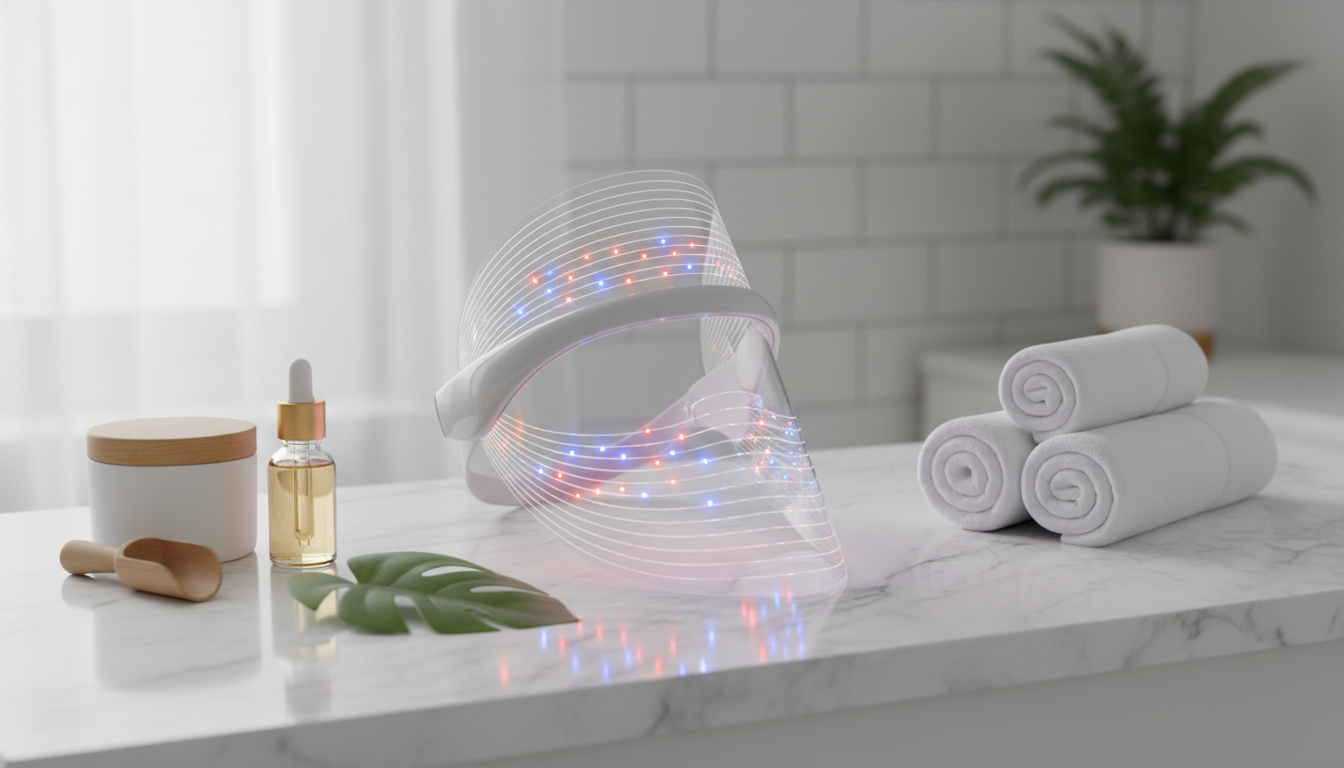
What does LED light therapy do?
LED light therapy uses specific wavelengths of light to support healthier-looking skin without heat or UV damage. Different colors target different skin concerns by encouraging natural skin processes—most commonly calming the look of redness, improving the appearance of breakouts, and supporting a smoother, more even-looking complexion over time.
How different LED colors affect skin
Red light is best known for helping the skin look firmer and more refreshed. It’s often used to support the appearance of fine lines and a dull tone by encouraging skin to look more resilient and even.
Blue light is commonly used for blemish-prone skin. It can help reduce the look of active breakouts by targeting factors associated with acne-causing bacteria at the surface level.
Near-infrared (NIR) light is frequently paired with red light to support deeper-looking comfort and recovery, especially when skin feels stressed or looks inflamed.
What results to expect (and how fast)
LED light therapy tends to work best with consistency rather than intensity. Some people notice their skin looks calmer or more “awake” after a few sessions, while more visible changes—like smoother texture or fewer recurring blemishes—often take several weeks of regular use. Results vary based on your skin type, the wavelength used, and how often you treat.
At-home LED masks vs. professional treatments
Professional LED sessions can be more powerful, but at-home LED masks are designed for convenient, repeatable use—making them a practical option for ongoing maintenance. The key is following the device’s timing and frequency guidelines, keeping skin clean before treatment, and staying consistent.
For a deeper walk-through on choosing colors, building a routine, and using an LED mask safely at home, see the full guide here: https://luxjoy.shop/guide-led-shield-mask-at-home-light-therapy-guide/.
FAQ
How often should you use LED light therapy at home?
Most at-home devices are used several times per week, often in short sessions. Follow your specific mask’s instructions, then stay consistent for at least a few weeks to evaluate changes in tone, texture, or breakouts.














Leave a comment