
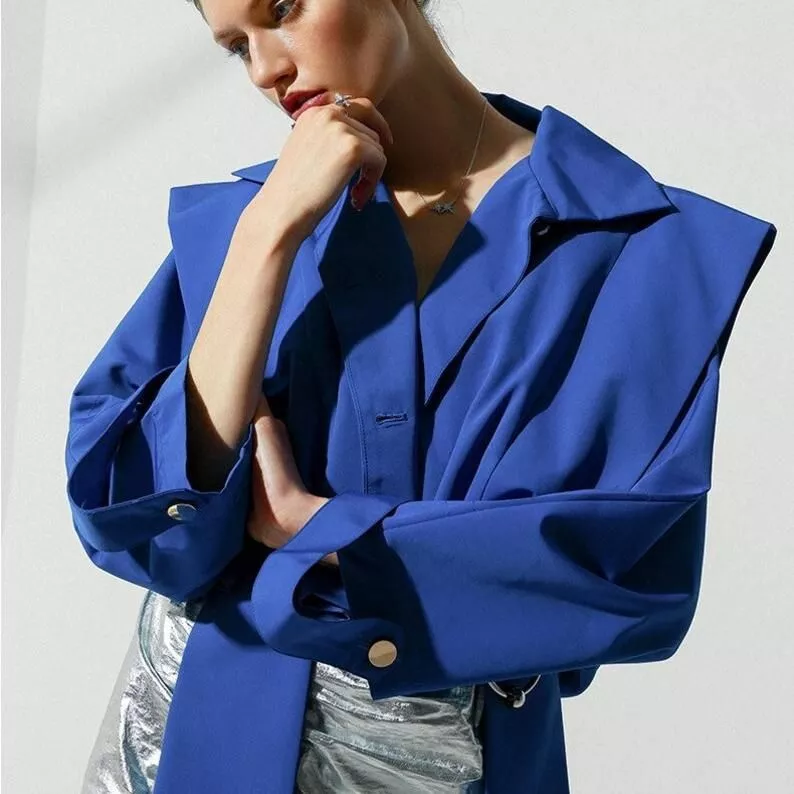
Best Body Shapes for Flare Jeans (Fit Tips by Type)
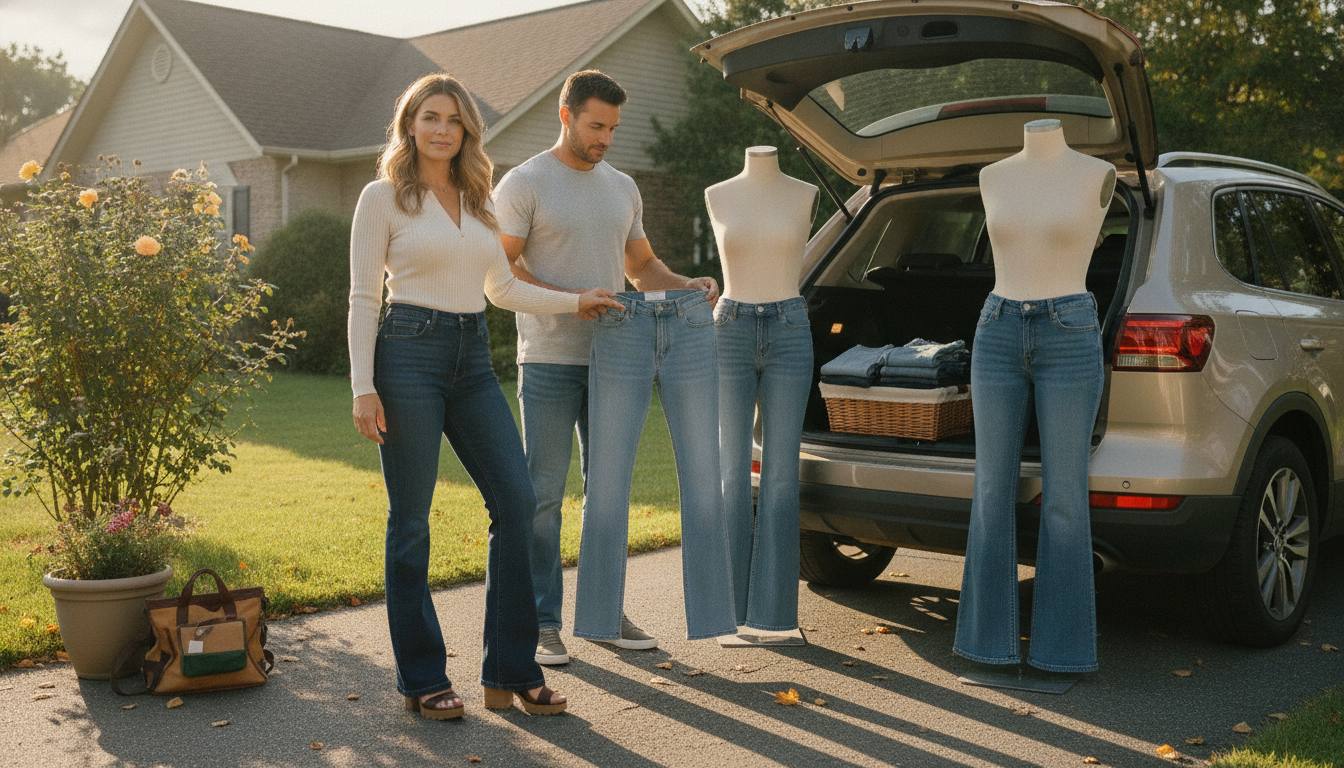
What body shape is best for flare jeans?
Flare jeans work on most body shapes, but they tend to look especially flattering on pear, hourglass, and rectangle frames because the wider hem balances proportions and creates a longer-looking leg line. The “best” body shape is ultimately the one that gets the most visual harmony from the silhouette—and the right rise and flare width make the biggest difference.
Why flare jeans flatter so many shapes
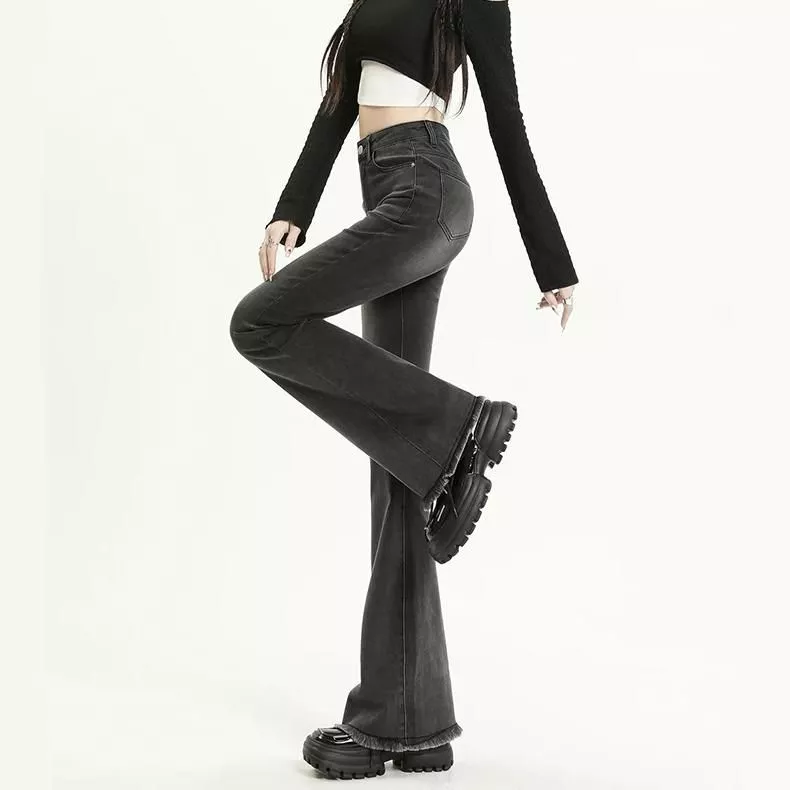
Flare jeans are fitted through the hip and thigh, then widen from the knee down. That gentle (or dramatic) bell shape can visually even out the relationship between shoulders, waist, hips, and calves. The hem also draws the eye downward, which can make the legs appear longer—especially with a higher rise and a clean, uninterrupted front.
Best flare-jean matches by body type
Pear (hips wider than shoulders): A mid or high-rise slim flare balances wider hips by adding volume at the hem. Look for a smooth fit through the hip with enough stretch to avoid pulling.
Hourglass (defined waist, balanced bust/hips): High-waist flare jeans highlight the waist and skim curves without clinging. A slim flare keeps the shape polished and proportional.
Rectangle (straight up-and-down): Flares add shape and movement, helping create the look of curves. Choose a higher rise and a slightly more pronounced flare for extra dimension.
Apple (fuller midsection): A higher rise with a supportive waistband and a gradual flare can streamline the middle while lengthening the legs. Prioritize comfort at the waist and a smooth front.
Petite: Opt for a slim flare and a higher rise, and hem to the right length so the flare starts at the knee (not mid-calf). This keeps proportions crisp.
Quick fit tips that matter more than body shape
Focus on where the flare begins (at the knee is most elongating), the rise (higher rises often lengthen the leg), and hem length (best when it nearly skims the floor with shoes). For more detailed fit and styling guidance, visit this high-waist slim flare jeans guide.
FAQ
How should flare jeans fit at the waist and hips?
They should sit snugly at the waist without gapping and feel smooth through the hips without pulling across the pockets. A little stretch helps keep the fit comfortable while maintaining a clean line.










Leave a comment