
Real vs Fake GUESS Wallet: Quick Authenticity Checks
How to tell if a Guess wallet is real?
A real GUESS wallet usually passes a few quick “trust checks” at the same time: consistent branding, clean construction, and credible product details. Counterfeits often look close at first glance but slip up on small specifics—stitching quality, logo alignment, interior labeling, and hardware finish.
Check the logo and wordmark consistency
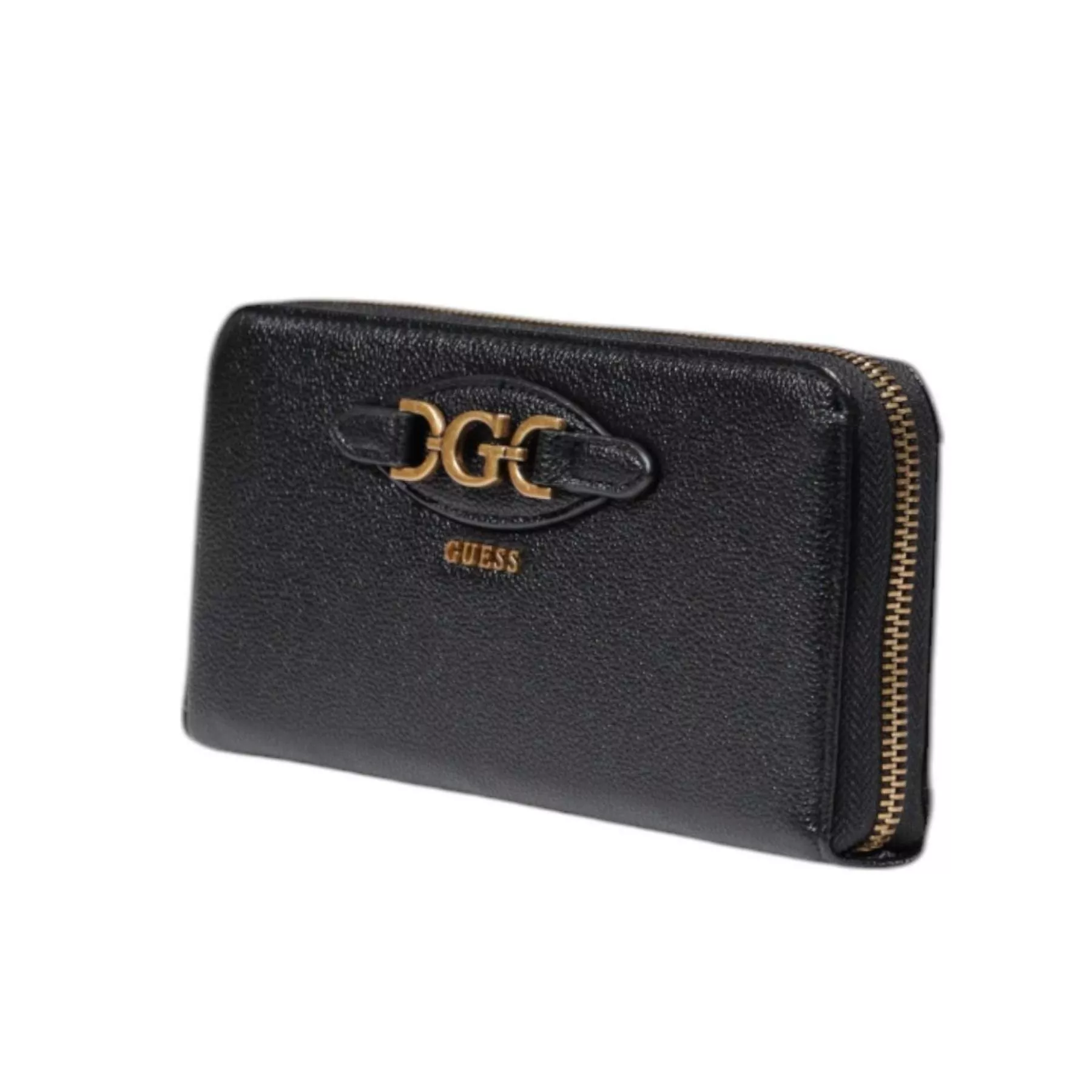
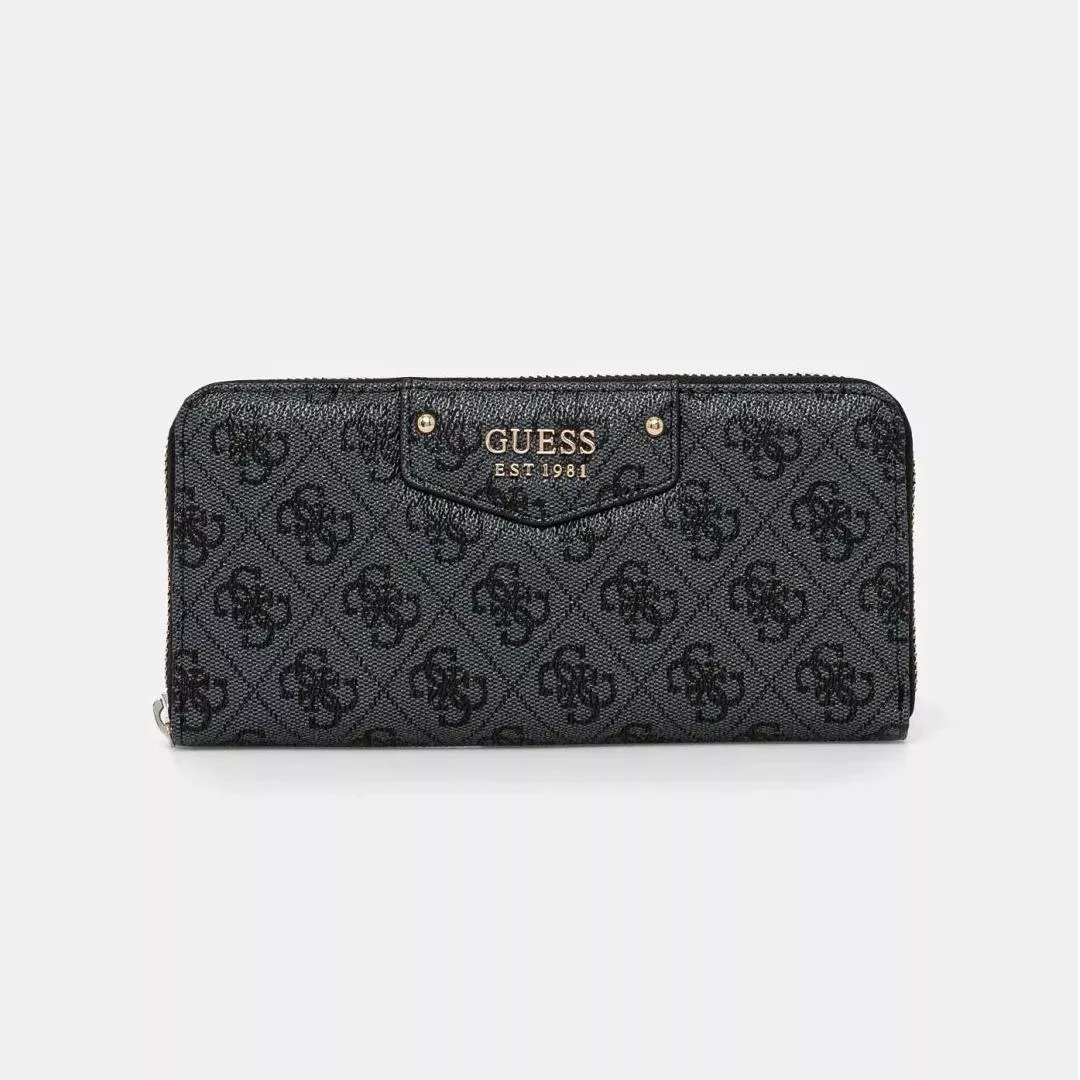
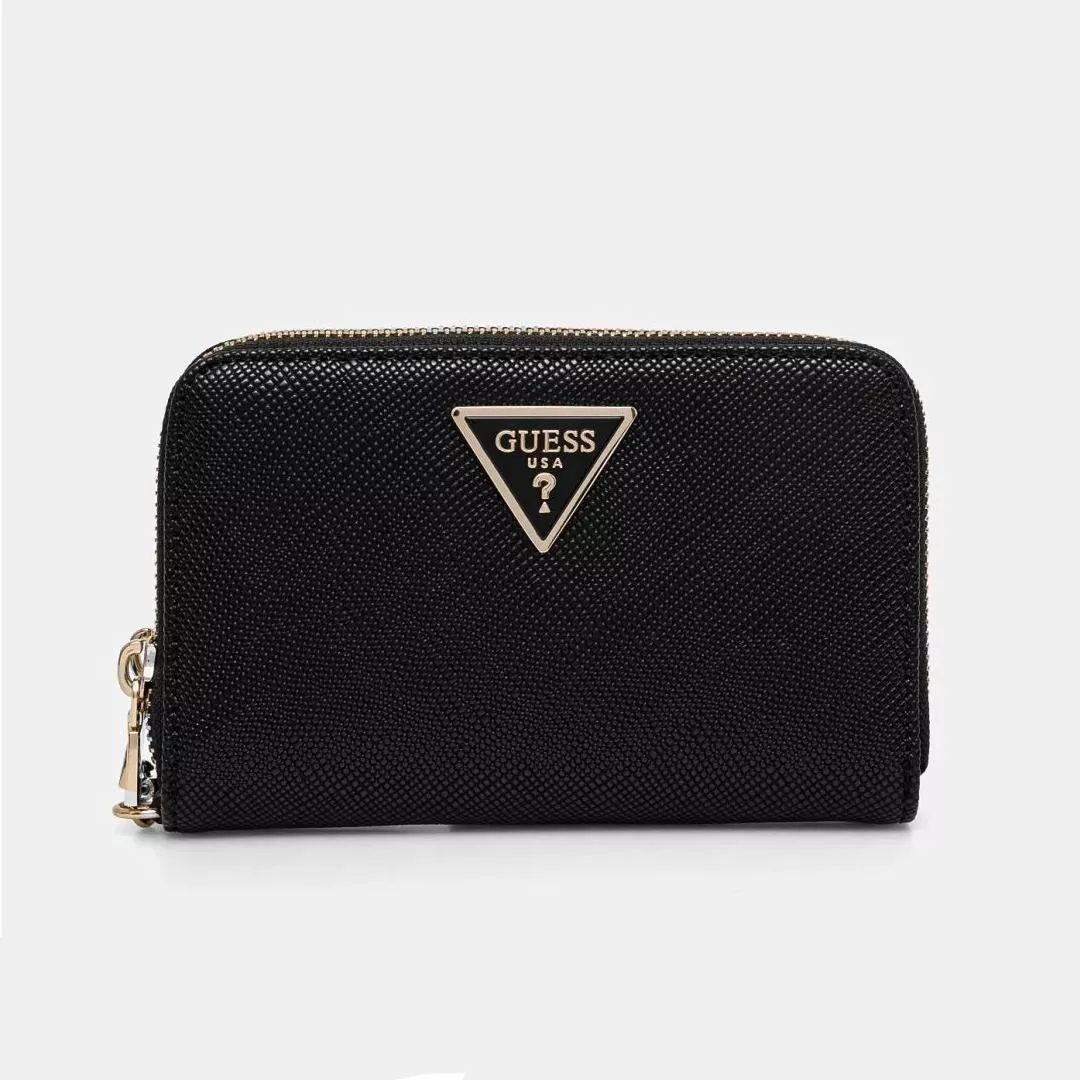
Start with the exterior logo and any interior stamping. On authentic pieces, the GUESS name and logo marks look crisp with even spacing, clean edges, and consistent font style. Watch for blurry embossing, uneven letters, off-center placement, or a logo that feels “too thick” or poorly cut.
Inspect stitching, edges, and overall construction
Authentic wallets tend to have straight, evenly spaced stitching without loose threads. The edges should be sealed neatly, corners should be clean, and the wallet should feel structured rather than flimsy. If you notice wavy seams, glue residue, fraying lining, or misaligned card slots, treat it as a red flag.
Evaluate materials and feel
Real GUESS wallets typically use materials that feel deliberate—smooth or pebbled finishes that are consistent across panels, with linings that sit flat and don’t bunch. Strong chemical smells, overly plastic shine, or mismatched textures between sections can indicate a counterfeit.
Look closely at hardware and closures
Zippers, snaps, and metal logos on authentic wallets usually have a solid weight and a uniform finish. Check that closures work smoothly and sit straight. Flaking plating, rough zipper movement, or mismatched metal tones can be signs it’s not genuine.
Compare to a trusted reference
If you have doubts, compare the wallet’s layout and details to a reliable product guide with clear photos and feature descriptions. For a reference example focused on a women’s black exterior wallet with quick-access features, visit this GUESS wallet guide and cross-check the design, compartments, and branding placement.
FAQ
What’s the easiest way to avoid buying a fake GUESS wallet online?
Buy from reputable retailers with clear return policies and detailed product photos. If the listing uses blurry images, vague descriptions, or unusually low pricing, it’s safer to skip.











Leave a comment