Best Outdoor Planters: Materials, Drainage, and Size
What kind of planters are best for outdoor plants?
The best outdoor planters balance durability, drainage, and weight for your space. Start with the climate: in places with freeze-thaw cycles, choose materials that resist cracking, like high-quality resin, fiberglass, or composite. In hot, sunny areas, UV-resistant planters help prevent fading and brittleness, while lighter colors can keep roots cooler.
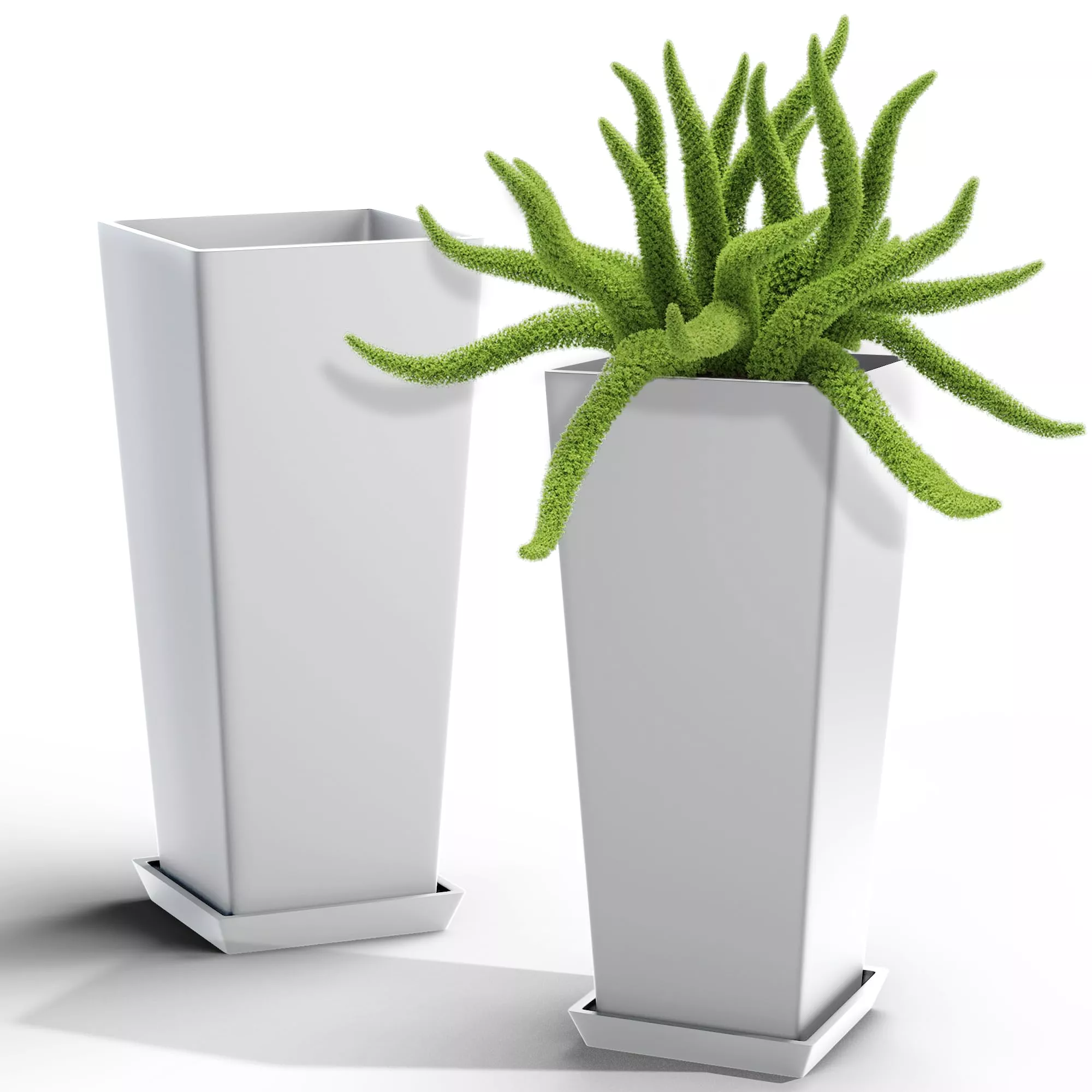
Drainage is non-negotiable for most outdoor plants. Look for planters with pre-drilled holes or easy-to-drill bases, plus enough depth for healthy root growth. If the planter sits on a solid patio, add a saucer or use a riser to keep the bottom from staying waterlogged after rain.
Top planter materials for outdoors
Resin and plastic: Lightweight, budget-friendly, and often UV resistant—ideal for decks and balconies where weight matters.
Fiberglass: Sleek, weather-tough, and lighter than stone or concrete, with a more premium look.
Terracotta: Breathable and great for drought-tolerant plants, but more prone to cracking in freezing weather.
Concrete and stone: Extremely stable in wind and great for large plants, but heavy and harder to move.
Metal: Modern style and strong, but can heat up quickly in direct sun; consider liners for sensitive roots.
Size, stability, and placement
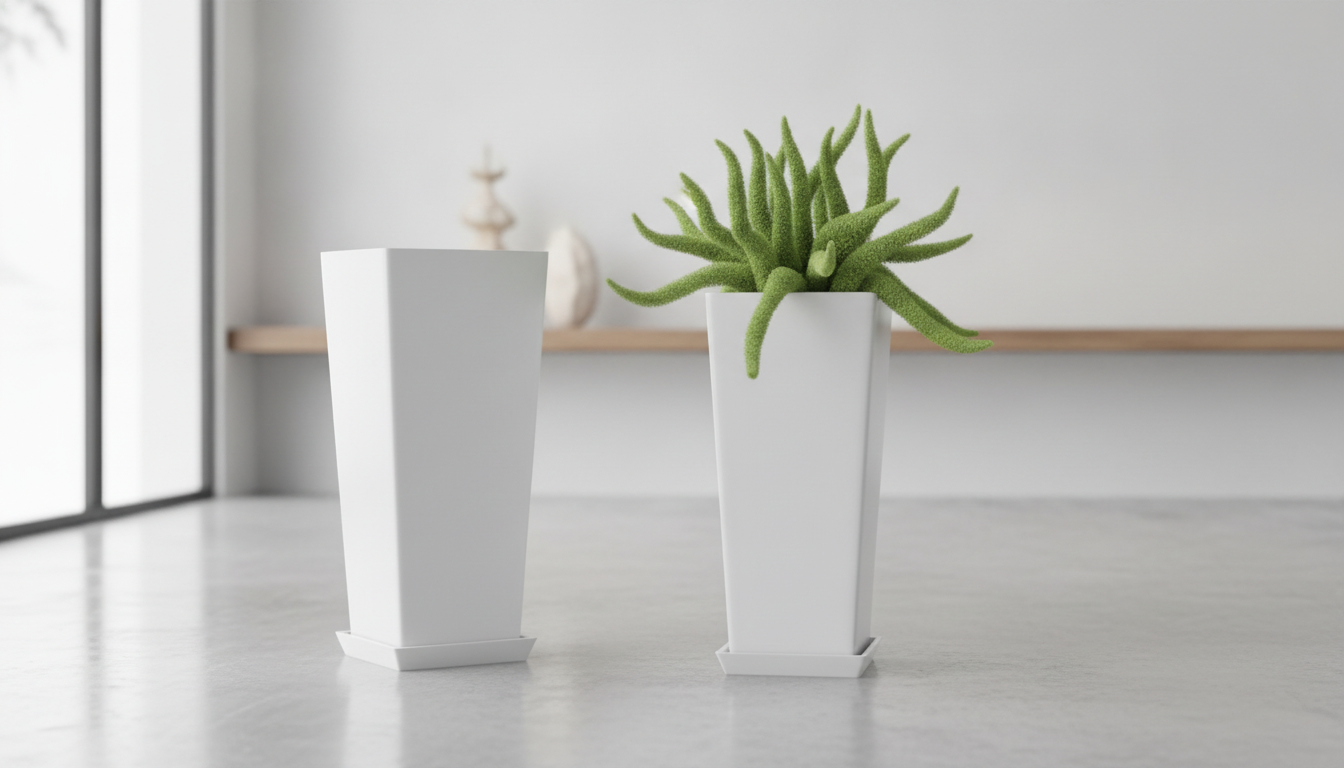
Match planter height and width to plant size and wind exposure. Tall outdoor planters create visual impact at entryways and can help elevate foliage, but they should be weighted with a heavier potting mix or a stabilizing base layer if your area gets gusty. For a practical example of tall planters that work both indoors and outdoors, see the guide here: https://luxjoy.shop/guide-set-of-2-24-inch-tall-planters-indoor-outdoor/.
For Best Outdoor Planters: Materials, Drainage, and Size, the best answer depends on fit, material, care instructions, and how the product will be used day to day.
FAQ
Do outdoor planters need drainage holes?
For most plants, yes—drainage holes prevent root rot by letting excess water escape. If a planter doesn’t have holes, use it as a cover pot or add drainage material and monitor watering very carefully.










Leave a comment