

DIY Height Adjustable Desk: 3 Simple Build Options
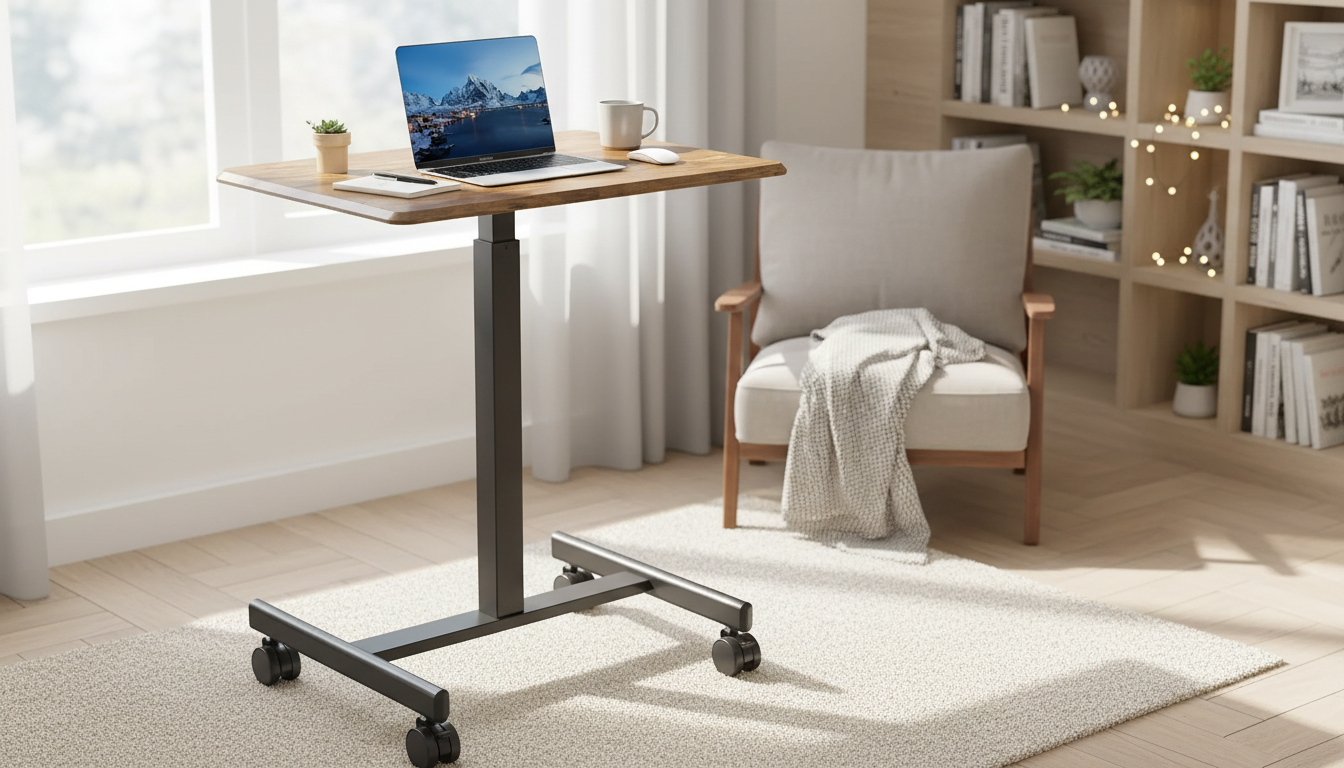
How to make your own height adjustable desk?
Making your own height adjustable desk can be as simple as building a stable top and pairing it with adjustable legs, or as involved as adding a crank or electric lift system. The best DIY route depends on your tools, budget, and whether you need full sit-stand range or just a few height settings for better ergonomics.
Option 1: Use adjustable table legs (fastest DIY)
Buy four telescoping adjustable legs (or two T-legs) rated for the weight you’ll place on the desk. Cut a desktop from 3/4-inch plywood or a solid wood panel, sand the edges, then bolt the legs to the underside using the manufacturer’s mounting plates. Add threaded inserts if you want extra durability when removing and reattaching hardware.
Option 2: Build a multi-height “pin” style base (budget-friendly)
Create two leg assemblies using nested square lumber or steel tubing, then drill a series of aligned holes for locking pins or bolts. This gives you several preset heights without complex mechanisms. Use diagonal bracing or a rear stretcher to reduce wobble, especially at taller settings.
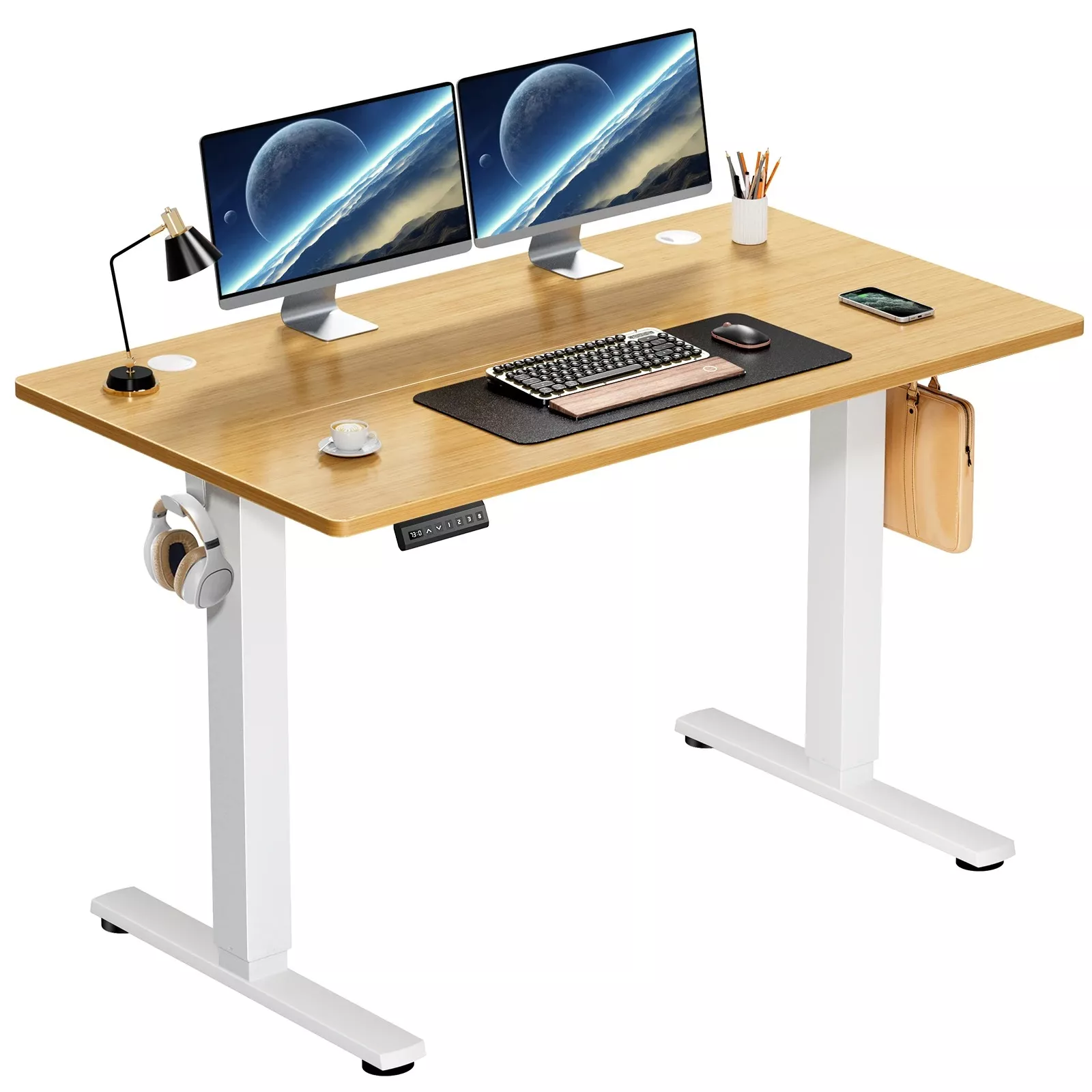
Option 3: Add a crank or electric lift frame (most like commercial desks)
Purchase a sit-stand frame kit (manual crank or electric). Attach your desktop to the frame rails, then route power and cables with adhesive clips so nothing snags during travel. This approach costs more but provides smoother adjustment and better everyday usability.
Don’t skip stability and ergonomics
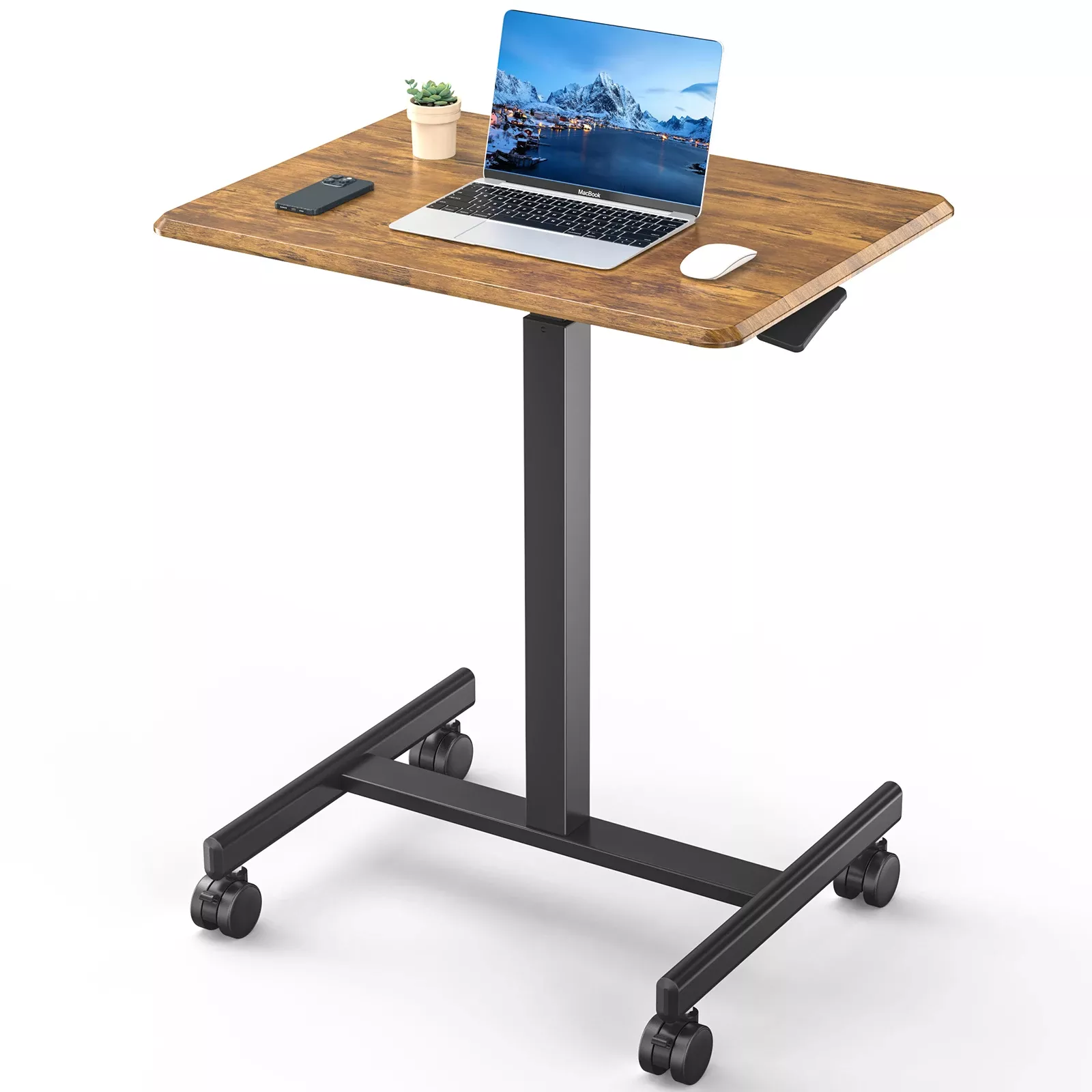
Whichever build you choose, prioritize rigidity: thicker tops, proper fasteners, and cross supports matter more than fancy finishes. For laptop setups, consider a secondary riser or platform so your screen can reach eye level while your keyboard stays at a comfortable height. For more ergonomic setup ideas and portable solutions, visit this adjustable height laptop desk guide.
FAQ
What is the ideal desk height for typing?
A good starting point is where your elbows rest near 90 degrees and your wrists stay straight while typing. Many adults land around 28–30 inches seated, but adjust to your body and chair height.













Leave a comment