

How to Spot Vintage Tommy Hilfiger: Tags, Fit, Fabric
How can you tell if Tommy Hilfiger is vintage?
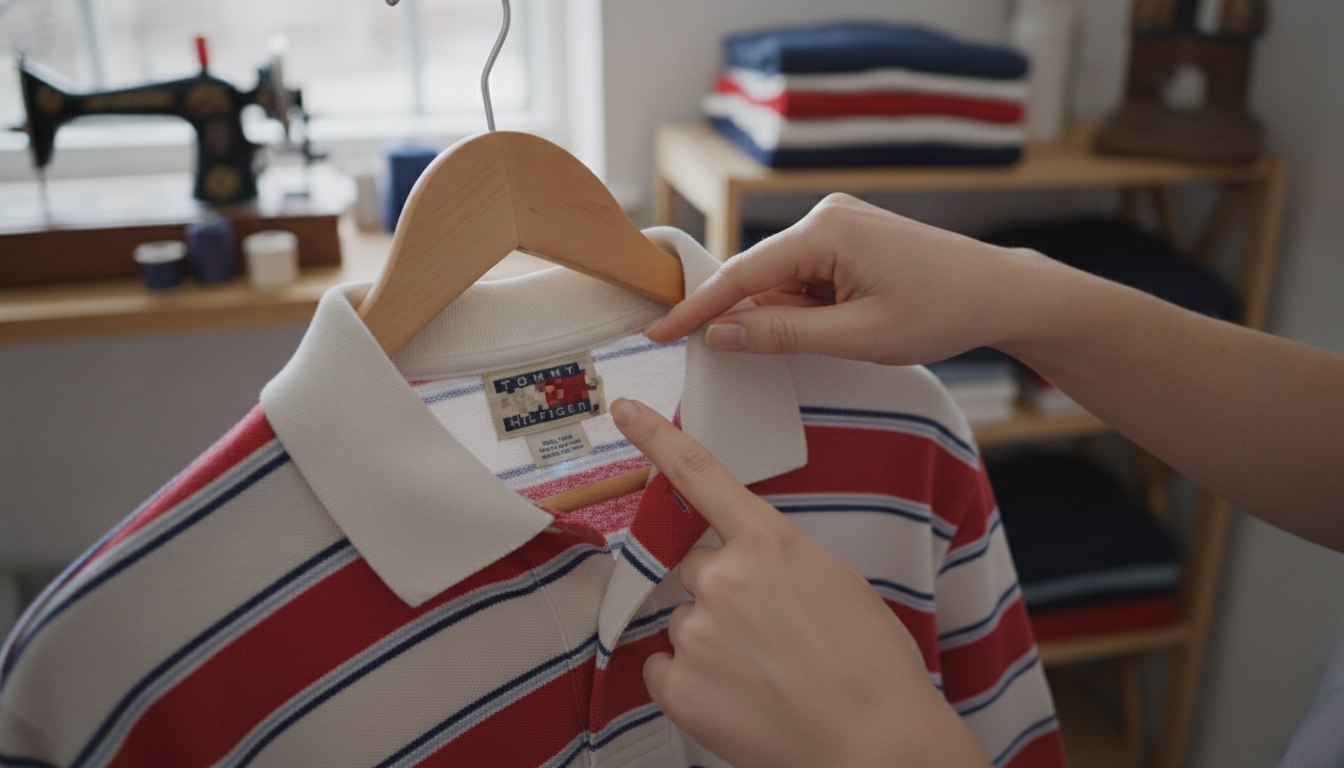
To tell if Tommy Hilfiger is vintage, start with the tag, then confirm the era using construction details, materials, and wear patterns. “Vintage” can mean different things to different sellers, but most collectors use it to describe pieces from roughly the 1990s or earlier.
1) Check the label design and country of origin
Older Tommy Hilfiger pieces often have different label layouts, font weights, and stitching finishes than modern tags. Many true vintage garments were made in the USA, Hong Kong, or other production hubs that show up less frequently on today’s mass runs. A crisp, modern-looking tag with newer compliance language can indicate a more recent release.
2) Look for era-specific details in fit and construction
Vintage Tommy tends to lean roomier, especially in sweatshirts and outerwear, with heavier ribbing at cuffs and hem. Inspect seams: older pieces frequently use sturdier stitching and thicker thread, and you may notice a more substantial collar or waistband structure compared to newer lightweight versions.
3) Evaluate fabric weight, graphics, and embroidery
Many vintage sweatshirts feel denser and softer from years of wash-and-wear, and the inside fleece may show pilling typical of age. Logos can help too: early embroidered flags and spell-outs may be chunkier or placed differently than current designs. If a graphic looks freshly printed with no cracking at all, it may be newer (or a reissue).
4) Confirm with care tags and “aging” that makes sense
Genuine age usually shows as even fading, light fraying at high-contact points, and slight thinning at elbows or cuffs—not harsh discoloration in random areas. Check hardware (zippers, snaps) for branded pulls and natural patina. When assessing a sweatshirt specifically, compare fit, fabric, and care expectations using this reference: Tommy Hilfiger men’s sweatshirt guide.
FAQ
What is the difference between vintage and retro Tommy Hilfiger?
Vintage is an older original piece from a past era, while retro is a newer item made to look like an older style. Retro can still be authentic Tommy Hilfiger, but it isn’t from the original production period.











Leave a comment