High-Waist Flare Pants Fit: Waist & Hips Explained
How should high-waist flare pants fit at the waist and hips?
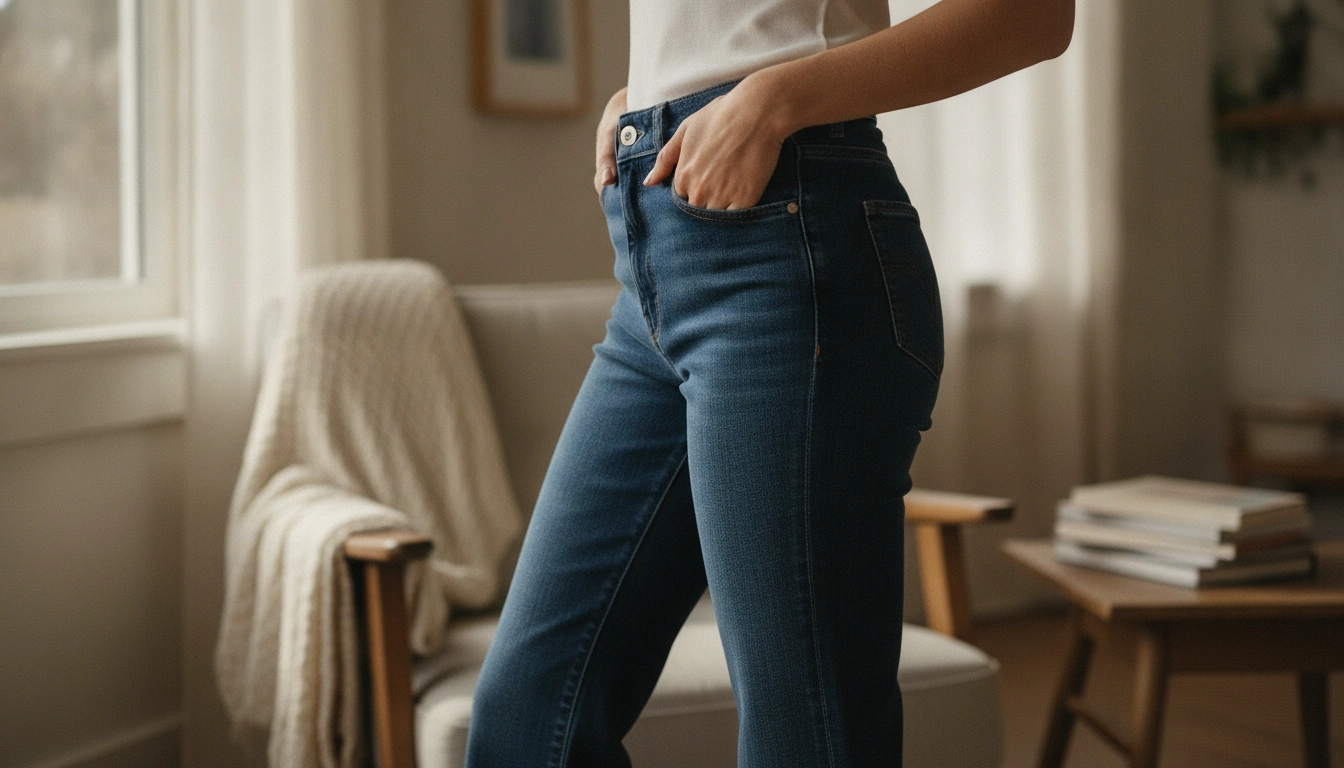
High-waist flare pants should feel secure at the smallest part of your waist—snug enough to stay put when you move, but not so tight that the waistband digs in or creates a pronounced “muffin top.” A good fit lets you slide a finger (or two) under the waistband without discomfort, and the waistline should sit flat and smooth from front to back.
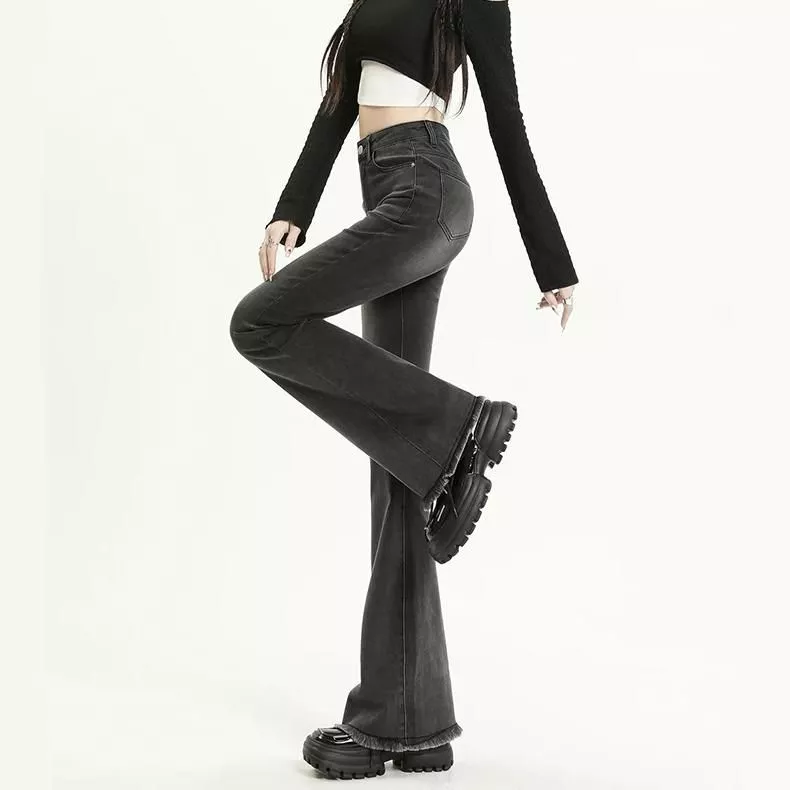
At the hips, the fit should be close and streamlined without strain. Look for fabric that lies cleanly over your hip bones with no pulling at the side seams, no horizontal stress lines across the front, and no gaping at the back waistband. If the pockets flare open or the zipper area ripples, the hips are likely too tight; if the seat looks droopy or you can pinch a lot of extra fabric at the sides, the hips are likely too loose.
The most flattering high-waist flare silhouette usually has a gently “held” feel through the waist, hips, and upper thighs, then begins to widen around the knee. If the flare starts too high because the hips are tight, the pants can look stretched; if the hips are too loose, the flare can appear heavier and less intentional.
Pay attention to how the rise behaves when you sit. The waistband shouldn’t slide down or cut into your stomach, and the back should remain comfortably anchored without exposing gaps. If you often get a back-waist gap, a contoured waistband or a style with a bit of stretch can help.
For more detail on balancing rise, length, and styling, see the complete guide here: https://luxjoy.shop/guide-high-waist-flare-pants-fall-fit-shoes-styling/.
For High-Waist Flare Pants Fit: Waist & Hips Explained, the best answer depends on fit, material, care instructions, and how the product will be used day to day.
FAQ
Should high-waist flare pants be tight in the thighs?
They should be fitted through the upper thigh without feeling restrictive. If you see pulling lines, the fabric feels strained when walking, or sitting is uncomfortable, size up or choose a stretchier fabric.










Leave a comment