

27ft Extendable Manual Pole Saw: High-Branch Pruning
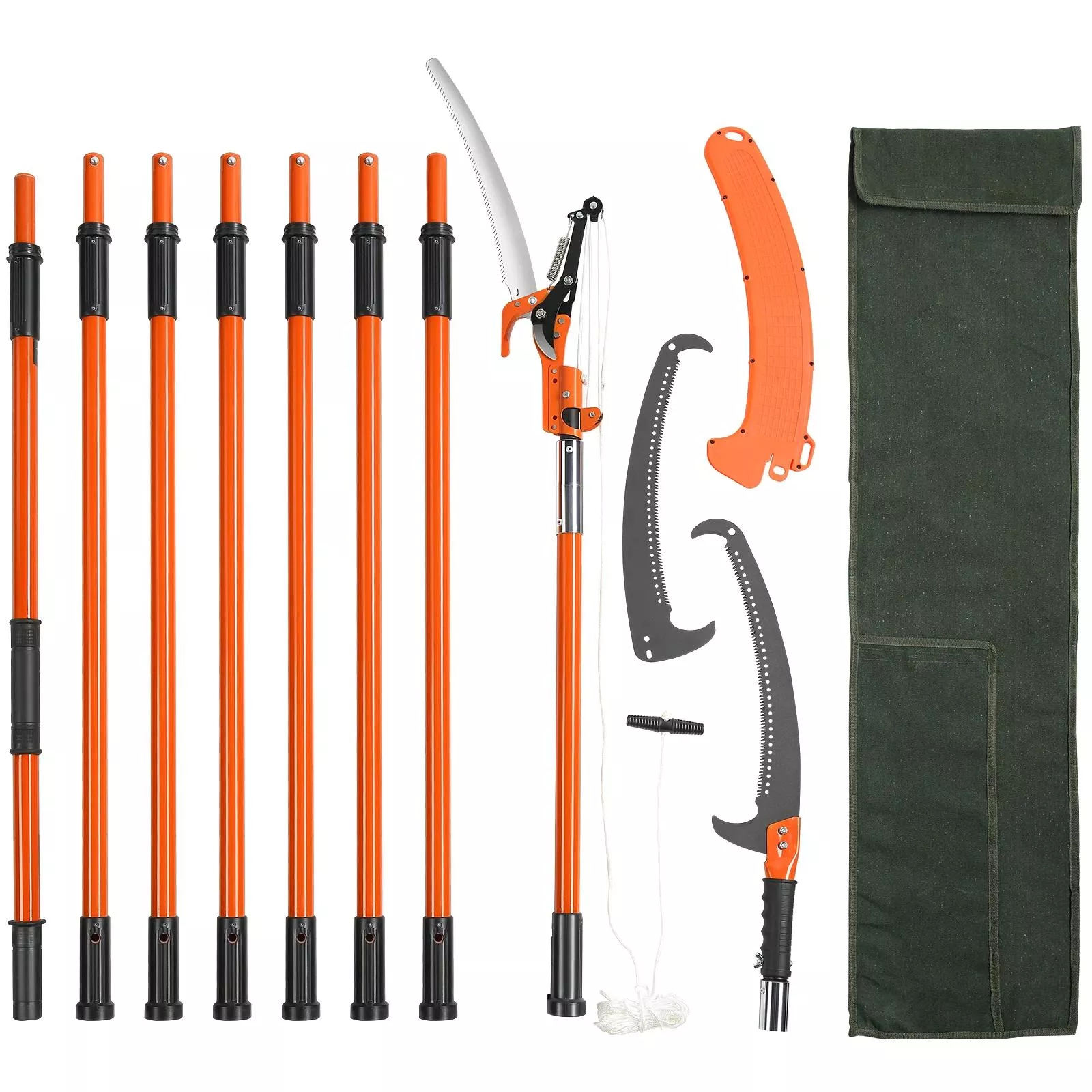
27FT Extendable Manual Pole Saw for High Branch Pruning
A long-reach manual pole saw helps trim high branches from the ground with more control and less setup than ladders. A 27-foot extendable pole is built for seasonal cleanup and routine canopy maintenance where you need reach, precision, and a quieter, low-maintenance tool. Below is what to expect from a 27-foot extendable manual pole saw, where it fits best, and how to use it safely and effectively for cleaner cuts and healthier trees.
What a 27-foot manual pole saw is best for
A 27-foot pole saw is a practical solution when branches are out of reach but not so large that the job calls for a chainsaw crew. It’s especially helpful for:
- Reaching tall canopy limbs from ground level for routine pruning and storm cleanup.
- Reducing ladder work for light-to-moderate branches where a clean cut is achievable without a power head.
- Selective trimming near fences, slopes, or soft ground where ladder placement is risky or unstable.
- Home yard maintenance: removing deadwood, thinning small limbs, and shaping growth before it becomes heavy.
- Limitations to plan around: fatigue at full extension, reduced control in wind, and slower cutting on thick hardwood branches.
Key features to look for in an extendable manual pole saw
Not all long poles feel the same overhead. The most noticeable differences show up at full extension, where small design details affect accuracy and effort.
- Extension range and locking: Multiple sections with secure locks that resist twisting under load.
- Pole rigidity: Stiffer poles track straighter at full reach and reduce “whip” during sawing strokes.
- Saw head geometry: A curved blade typically stays engaged on a branch better than a straight blade during overhead cuts.
- Blade material and tooth pattern: Hardened steel and an aggressive tooth design help cut green wood efficiently.
- Handle grip and balance: Comfortable grip areas and manageable weight distribution matter more as height increases.
- Accessory compatibility: Ability to swap blades, use a sheath/cover, or add a pruning hook can improve usability.
Using a long pole saw safely from the ground
Ground-based pruning can reduce fall risk from ladder work, but overhead cutting introduces its own hazards. Build a repeatable setup routine before every cut.
- Check overhead hazards before raising the pole: power lines, service drops, and nearby structures.
- Wear eye protection, gloves, and a helmet if cutting overhead in dense canopy.
- Create a drop zone: keep bystanders and pets well clear of the expected fall path.
- Use a stable stance and two-handed control; avoid reaching directly under the branch being removed.
- Work in calm conditions when possible; wind makes long poles harder to control and increases unpredictable branch movement.
- Stop if the cut binds or the limb is too heavy; consider a professional arborist for large limbs or advanced cuts.
For fundamentals on pruning timing and general tree/shrub care, consult Clemson Cooperative Extension’s guidance: Pruning Trees and Shrubs (Home & Garden Information Center).
Cutting technique for cleaner, safer branch removal
Clean cuts help the tree seal the wound faster and reduce bark tearing that can invite pests and disease. A long pole makes technique even more important.
For detailed illustrations of proper pruning cuts, the University of Florida IFAS Extension is a helpful reference: Tree Pruning (Proper Pruning Cuts).
Quick spec-and-fit checklist for a 27-foot extendable manual pole saw
| What to check | Why it matters | Rule of thumb |
|---|---|---|
| Typical branch height | Determines whether full extension is routine or occasional | Choose a pole that reaches the target height with a buffer so cuts aren’t always at maximum extension |
| Branch diameter and wood type | Manual cutting speed varies widely by thickness and hardwood/softwood | For frequent thick hardwood cuts, consider reducing branch size per session or hiring out large limbs |
| Yard footing (slope/soft soil) | Affects stability and control when the pole is raised | Prefer ground-level pruning with a pole saw over ladder work on uneven terrain |
| Obstacles (fences, sheds, shrubs) | Limits stance and safe drop zone | Plan cutting angles and drop paths before raising the pole |
| Storage space | Long tools need safe, dry storage to protect locks and blade | Store collapsed, blade covered, and away from moisture |
Care, storage, and blade maintenance
When to choose a manual pole saw vs. other options
Product spotlight: 27FT Extendable Manual Pole Saw
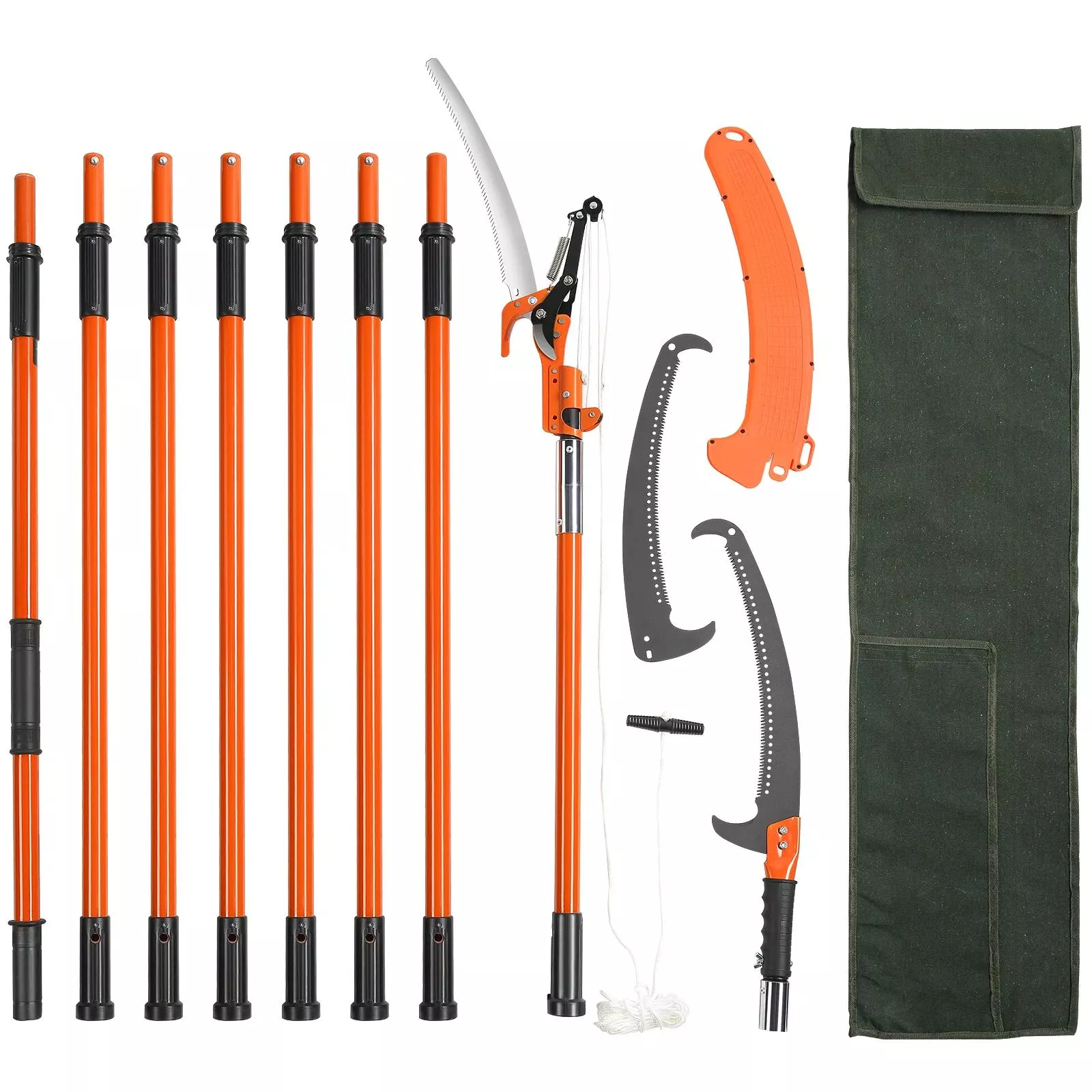
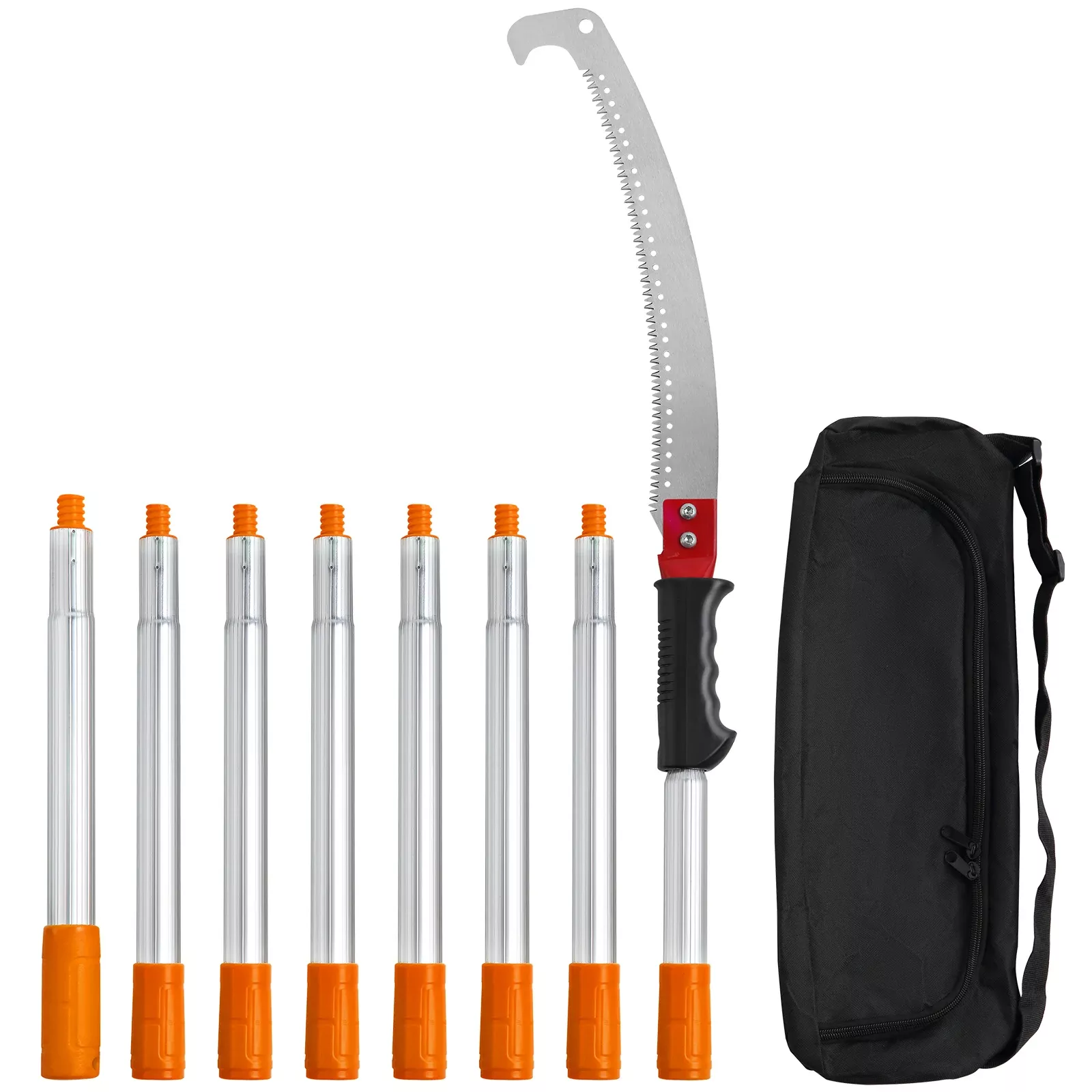
The 27FT Extendable Manual Pole Saw is designed for reaching high branches while keeping both feet on the ground for many routine trimming tasks. It’s a practical fit for homeowners managing seasonal pruning, deadwood removal, and storm debris cleanup, especially where ladder placement is awkward or unsafe.
Helpful add-ons for outdoor workdays
- Low Waist Cargo Pants for carrying small items while working around the yard.
- autumn-womens-coat for cooler mornings during seasonal cleanup.
FAQ
How thick of a branch can a manual pole saw cut effectively?
It depends on wood hardness, blade sharpness, and how long you can work overhead without losing control. Many people use manual pole saws for small-to-medium limbs, and for larger branches it’s safer to reduce the limb in sections or bring in a professional if the weight is significant.
Is it safer to use a long pole saw than a ladder?
Cutting from the ground can reduce ladder-related fall risk, but overhead cutting still has hazards like falling limbs and loss of control at full extension. Use PPE, establish a clear drop zone, and never work near power lines.
How do you make clean cuts without tearing the bark?
Cut just outside the branch collar and use the three-cut method for heavier limbs to prevent the bark from ripping as the branch drops. A sharp blade and long, steady strokes also help keep the cut clean and controlled.













Leave a comment