

Under-Pillow Pocket Bluetooth Speaker for Quiet Bedtime Audio
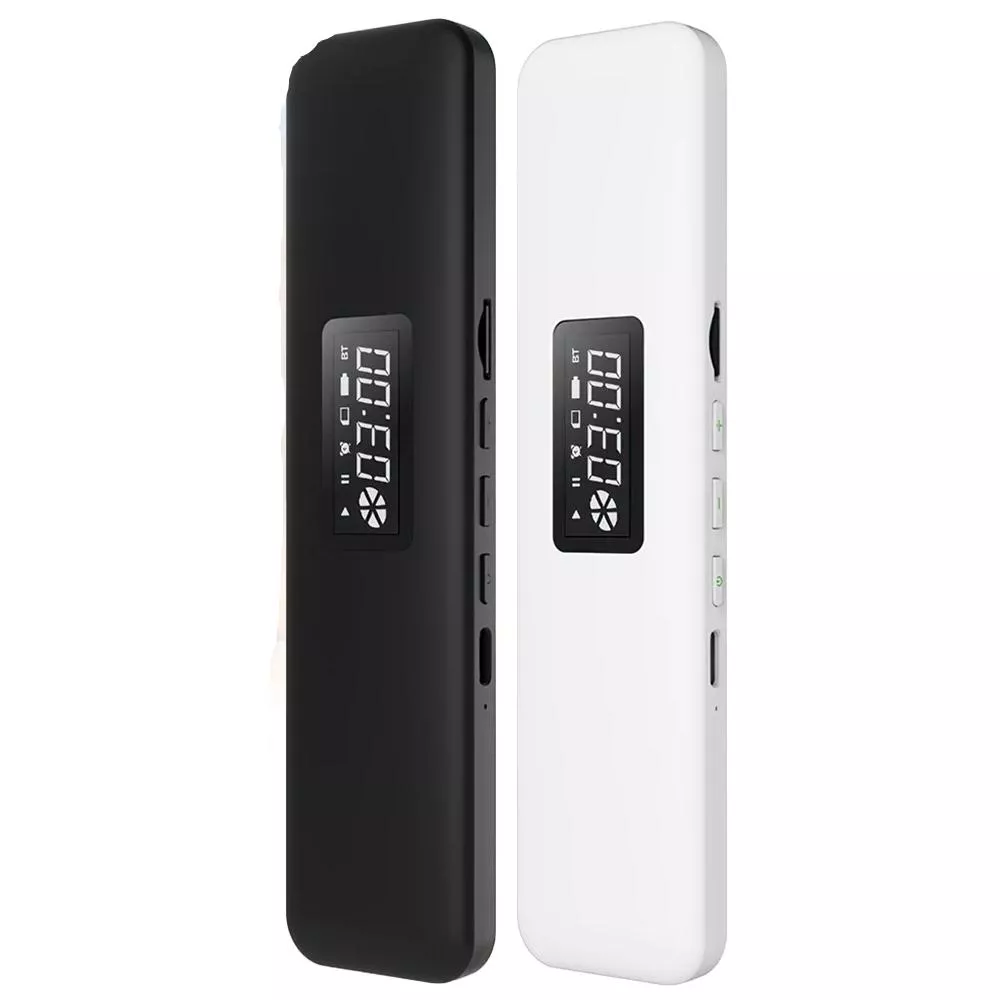
Pocket Bluetooth Speaker for Under-Pillow Listening: What It’s Made For
A compact under-pillow speaker can add calming audio to bedtime without filling the room. A pocket-size Bluetooth “sleep sound box” is designed for close, low-volume listening through pillow contact, which can make it a practical choice for white noise, guided relaxation, audiobooks, or soft music—especially when you want a simple, portable setup that doesn’t involve wearing earbuds.
What this under-pillow sound box is designed to do
- Play audio from a phone or tablet over Bluetooth while resting near or under a pillow.
- Use vibration-based sound transfer through soft surfaces to help keep sound localized and reduce disturbance to others nearby.
- Support comfortable listening at low volume for bedtime routines such as white noise, nature sounds, and spoken-word content.
- Stay small and easy to pack for travel, naps, dorm rooms, and shared sleeping spaces.
How bone conduction through a pillow feels in real use
Under-pillow listening doesn’t behave like a traditional speaker pointed into the room. Instead, the audio tends to feel closer and more contained—almost like it’s “inside” the pillow—because the pillow and bedding help soften and direct what you hear.
- Sound is usually perceived more as a gentle, close-range presence rather than room-filling speaker output.
- Many people get the best balance by placing the device near the edge of the pillow instead of directly under the ear, improving clarity while avoiding pressure points.
- Spoken audio (meditations, stories, podcasts) often stays understandable at lower volume than bass-heavy music, which may register more as vibration than deep tones.
- Pillow material changes the experience: denser foam and firmer fills tend to transmit vibration more directly than very fluffy fills.
Everyday use cases at bedtime
Because the sound stays relatively close to the listener, an under-pillow speaker can fit into routines where comfort and quiet matter more than high fidelity.
- White noise or fan sounds to mask intermittent noise in apartments, hotels, or shared homes.
- Guided breathing, progressive relaxation, or short sleep meditations without wearing earbuds.
- Audiobooks or podcasts at a low level while minimizing sound leakage to a partner.
- Soothing playlists for naps, flights, or recovery days when comfort matters more than strong bass.
For sleep hygiene basics (consistent schedule, wind-down routines, and a bedroom environment that supports rest), the NHLBI’s guidance is a helpful reference: NIH/NHLBI — Your Guide to Healthy Sleep.
Placement tips for comfort and clearer sound
Small adjustments make a big difference. Think in terms of comfort first, then clarity—because the “best” spot is the one you can actually tolerate for a full wind-down session.
- Start with the device under the pillow but offset from the ear by a few inches to reduce pressure points.
- If vibration feels too strong, move it farther from the head or place it between the pillow and pillowcase rather than deep underneath.
- If sound is too faint, move it closer to the ear-side of the pillow or switch to a slightly firmer pillow.
- Keep the device on a stable, flat area of the mattress to reduce rattling or shifting during the night.
Quick comparison: under-pillow speaker vs earbuds vs bedside speaker
| Option | Comfort for side sleepers | Audio privacy | Best for |
|---|---|---|---|
| Under-pillow sound box | High (no in-ear parts) | Medium–High | White noise, guided audio, quiet listening |
| Wireless earbuds | Low–Medium | High | Detailed audio, travel, personal listening |
| Bedside speaker | High | Low | Shared ambience, music at low–moderate volume |
Connectivity, charging, and nighttime reliability
Bluetooth audio is generally stable at bedside distances, but soft materials and phone placement can affect signal quality. For a plain-language overview of how Bluetooth works, see: Bluetooth SIG — Bluetooth Technology Overview.
Safety and sleep-friendly listening habits
For practical reminders about volume and hearing safety, the CDC’s overview is worth a quick read: CDC — Loud Noise Can Cause Hearing Loss.
Who it suits best (and when to skip it)
Featured picks from our store
- Pocket Bluetooth Speaker – Under Pillow Bone Conduction Sleep Sound Box — a compact, localized bedtime-audio option designed for low-volume listening through pillow contact.
- Baby Bathing Pillow — a soft support pillow for bath-time comfort that’s easy to store and travel with.
- Low Waist Cargo Pants — a casual option with pocket space that can be handy for travel days and packing light.
Pocket Bluetooth Speaker – Under Pillow Bone Conduction Sleep Sound Box
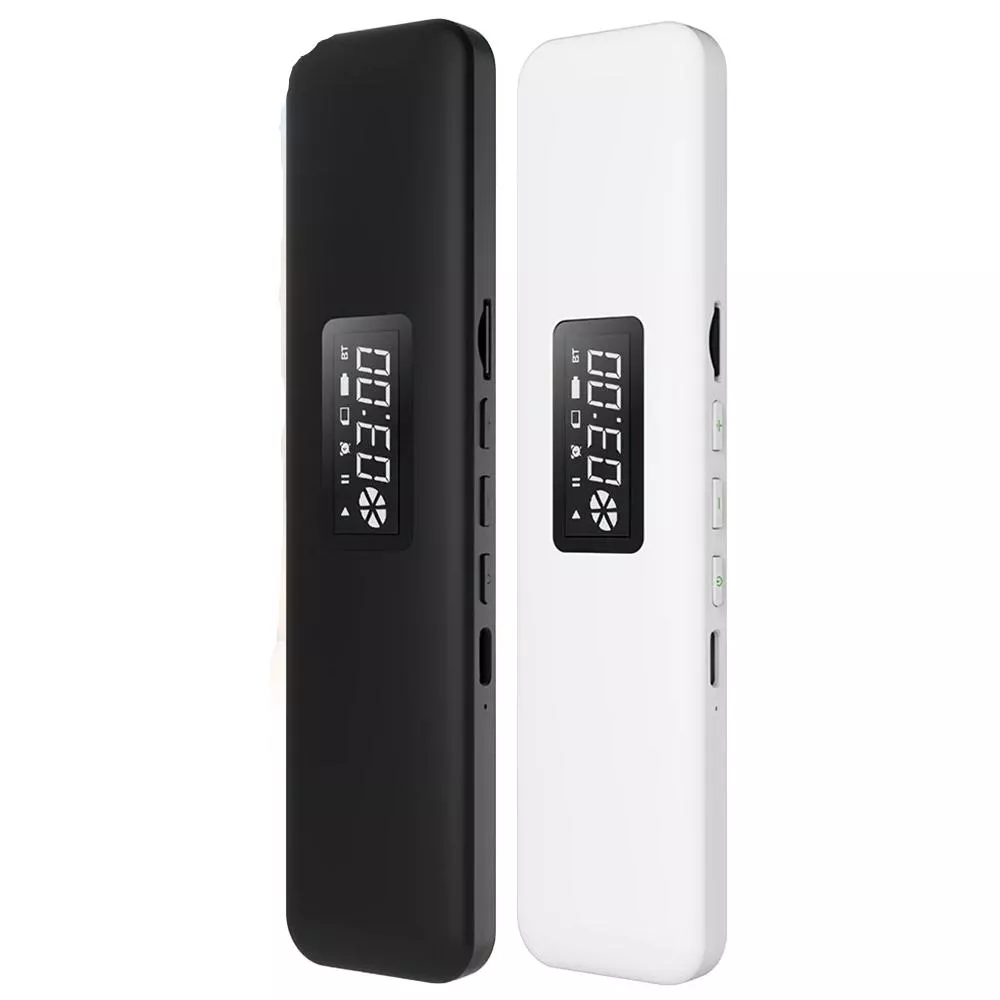
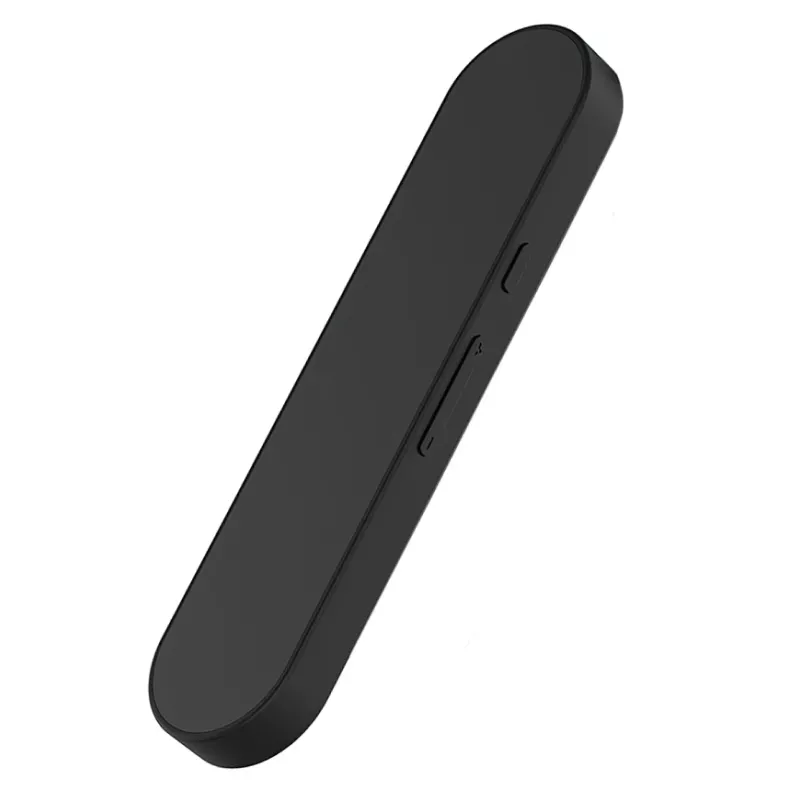
If the goal is a no-fuss, close-range way to play white noise or guided audio without wearing earbuds, the Pocket Bluetooth Speaker – Under Pillow Bone Conduction Sleep Sound Box is built for that use case. Its pocket-size design makes it easy to move between the bed, couch, guest room, or a hotel nightstand—supporting a consistent wind-down routine without turning bedtime audio into a room-wide soundtrack.
FAQ
Can an under-pillow bone conduction speaker be used all night?
Yes, it can, but it’s best to keep the volume low and use a sleep timer so audio doesn’t run for hours unnecessarily. If it disrupts sleep or causes discomfort, shorten sessions or stop using it.
Will it disturb a partner sleeping next to you?
It typically keeps sound more localized than a bedside speaker, but faint audio or vibration can still be noticeable depending on pillow type, mattress, and volume. Lower volume and a slightly more offset placement often help.
Where should it be placed for the best balance of comfort and clarity?
Place it under the pillow near the ear-side but offset by a few inches to avoid pressure on the head while keeping the sound clear. If it’s too faint, move it closer; if vibration is too strong, move it farther away or place it between the pillow and pillowcase.













Leave a comment