

1300W 6-Speed Burnishing & Polishing Machine Guide
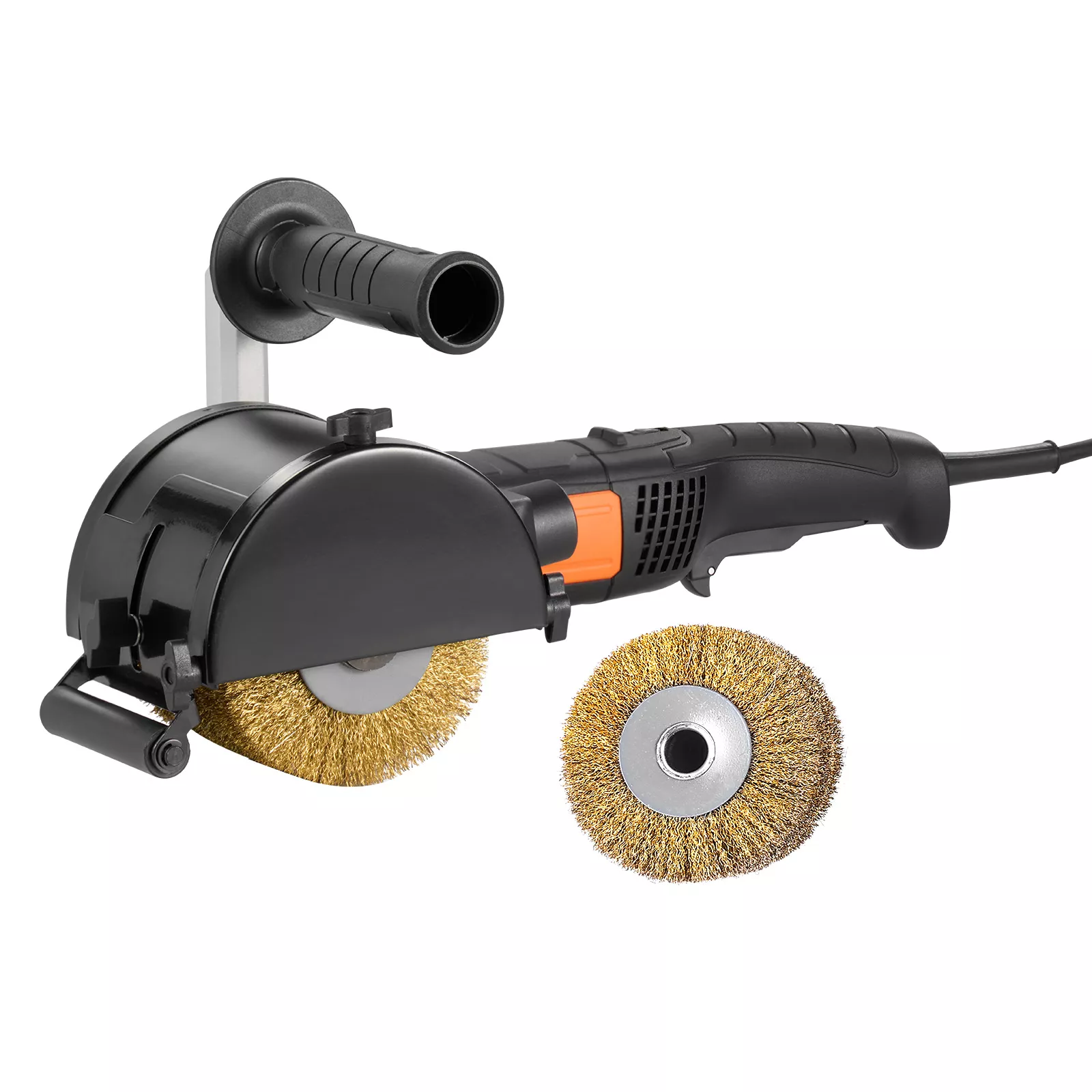
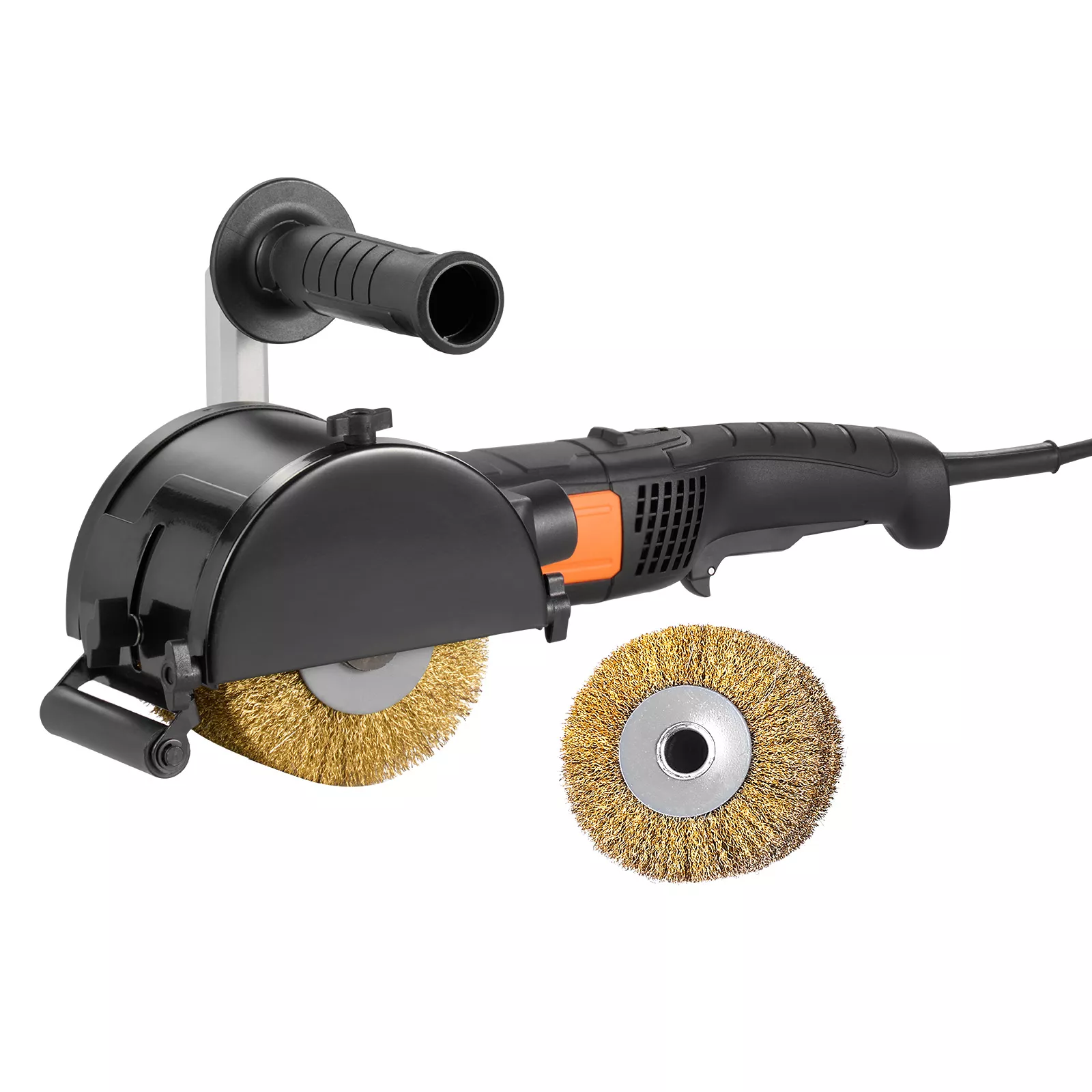
1300W Electric Burnishing & Polishing Machine with 6-Speed Surface Tool
A strong burnishing and polishing machine can take a surface from tired and hazy to clean and reflective—without the slow, uneven results that often come from hand work. This 1300W electric burnishing and polishing machine combines steady power with a 6-speed dial so you can match tool behavior to the surface, the pad or brush, and the compound you’re using. The result is better control during restoration, finishing, and routine upkeep on metal and other hard surfaces where a uniform sheen matters.
What This Machine Is Built to Do
- Burnish and polish to brighten surfaces and reduce visible haze after sanding or oxidation removal.
- Support restoration work where consistent pressure and stable speed matter (trim, rails, panels, fixtures).
- Handle routine maintenance polishing to keep metal surfaces looking clean and uniform over time.
- Adapt to different surface conditions by dialing speed up for more cutting action or down for controlled finishing.
For many projects, the best visual improvement comes from treating polishing as a process: remove oxidation or sanding marks first, then refine clarity and gloss in a final pass. A variable-speed machine helps you keep each step predictable, especially across long runs of metal where patchy shine is easy to notice.
Core Power and Speed Control
The 1300W motor is designed to maintain rotation under load, which helps when you’re working over inconsistent surfaces (pitted areas, seams, or edges) and want the finish to stay even. The 6-speed adjustment makes it easier to pair the right pad/brush with the right compound, and to manage heat on thinner metal.
- Lower speeds help reduce heat buildup and product sling when spreading compound.
- Medium speeds tend to be the sweet spot for general polishing on moderately dull surfaces.
- Higher speeds can refine gloss faster after prep, but require better heat and edge control.
Example Speed Selection Guide (6-Speed Dial)
| Speed Range (Low → High) | Best For | Tips |
|---|---|---|
| 1–2 | Spreading compound, delicate finishes, controlled work on edges | Use light pressure; keep the tool moving to avoid localized heat. |
| 3–4 | General polishing and restoring moderately dull surfaces | Work in overlapping passes; reapply compound before the pad runs dry. |
| 5–6 | Final brightening on hard metals; faster refinement after prep | Avoid lingering in one spot; check temperature often on thin metal. |
Surface Results and Typical Projects
When speed and pressure are consistent, surface finishing becomes more repeatable. Instead of chasing “high spots” by hand, you can build a uniform sheen methodically—especially helpful on long, visible sections where the light makes imperfections obvious.
- Metal brightening: Reduce dullness and bring back reflective shine on common metal surfaces.
- Cleanup after prep: Refine surfaces after sanding stages or oxidation removal.
- Finishing passes: Improve clarity and uniformity before sealing or applying a protective coating.
- Repeatable results: Stable machine speed can reduce patchiness compared with hand polishing.
Projects that often benefit include rails, trim, decorative panels, metal fixtures, and maintenance touch-ups where you want a clean, consistent finish without reworking the same area repeatedly.
Comfort, Handling, and Control During Longer Jobs
Polishing isn’t just about shine—it’s about control. A balanced tool and a stable grip make it easier to keep even contact across flats, curves, and transitions. That steadiness can help reduce swirl patterns and uneven gloss, especially when you’re finishing under strong lighting.
- Adjust speed to reduce fatigue: lower speed for controlled passes; medium speed for most work.
- Use a consistent pattern (left-to-right or top-to-bottom) and overlap passes by about 30–50%.
- Let the compound do the work; excess pressure can increase heat and introduce haze.
For curved profiles, slowing down slightly and using lighter pressure often produces a cleaner finish than trying to “force” gloss with speed alone.
Pads, Compounds, and Setup Suggestions
Safe Use and Surface Care
- Wear eye protection and a mask when polishing oxidized surfaces or using dusty compounds. See OSHA guidance on eye and face protection: OSHA — Eye and Face Protection eTool.
- Avoid catching edges: approach sharp corners carefully and reduce speed when needed.
- Manage heat: thin metals can warp or discolor; use lighter pressure, shorter passes, and allow cooling time.
- Clean residue promptly; hardened compound can make the next pass less consistent and increase marring risk.
For a broader view on reducing exposure to dust and residues, the NIOSH Hierarchy of Controls is a useful reference for setting up safer work habits.
Maintenance and Storage
Product Options Available Now
If adjustable speed control and steady power are the priority for restoration and finishing work, the main option available is the 1300W Electric Burnishing & Polishing Machine with 6-Speed Surface Tool. Plan a two-step approach (clean/cut → finish) and test your pad/compound combination on a small section first to lock in the look you want.
FAQ
What is the difference between burnishing and polishing?
Burnishing generally smooths and compacts the surface for a cleaner, more uniform look, while polishing refines gloss and clarity using abrasives or compounds. In practice, the two often overlap depending on the pad/brush and compound you choose.
How should the 6-speed dial be set for a first-time user?
Start low to spread compound and confirm control, then move to a mid-range speed for general polishing. Increase speed only if the surface stays cool and the tool remains easy to control, and keep the tool moving to avoid heat spots.
Can it be used on stainless steel and aluminum?
Yes, with the right pad and compound for each material. Aluminum and thin metals can heat up quickly, so test a small area first, use lighter pressure, and clean residue between steps to keep the finish consistent.














Leave a comment