

10 Must-See U.S. National Parks: Fast Facts + Planning
Top 10 Must-See U.S. National Parks: Fast Facts and a Simple Planning Framework
National parks planning gets easier when the essentials are in one place: best seasons, signature hikes, wildlife notes, drive times, and what to pack. This guide organizes fast facts for ten iconic U.S. parks and turns them into a practical approach for hikers and adventure planners who want fewer surprises and more time on trail.
What “must-see” means for different trip styles
“Must-see” depends on how you travel, how much time you have, and what feels most rewarding at the end of the day.
- For first-timers: prioritize parks with landmark viewpoints, clear signage, and reliable visitor services.
- For hikers: look for trail networks with dependable access (roads/trailheads that are open when you’ll be there) and big scenery payoffs.
- For photographers: plan around sunrise/sunset angles, seasonal highlights (wildflowers, fall color), and overlooks with unobstructed horizons.
- For families: focus on short scenic walks, easy wildlife viewing, and ranger-led programs that keep everyone engaged.
- For road trippers: choose parks that pair naturally with scenic byways and nearby public lands, so travel days still feel like adventure days.
Fast facts: 10 standout parks at a glance
Use the table to shortlist 2–4 parks based on season, elevation, and the kind of scenery that matters most (canyons, peaks, forests, geothermal, coastline). Before locking flights or lodging, confirm access details (timed entry, shuttle systems, road closures). Then match trail difficulty to the group’s fitness and altitude tolerance—especially in high-elevation parks where a slower first day can make the rest of the trip smoother.
| National park | Best time for most travelers | Signature scenery | Top easy win | Planning note |
|---|---|---|---|---|
| Yellowstone | Late spring to early fall | Geysers, wildlife, grand canyons | Boardwalk geothermal loops | Popular corridors fill early; check road openings |
| Yosemite | Spring to early fall | Granite cliffs, waterfalls, giant sequoias | Tunnel View + valley strolls | Some seasons require reservations; verify entry rules |
| Grand Canyon | Spring and fall | Layered canyon vistas | Rim Trail viewpoints | North Rim is seasonal; check opening dates |
| Zion | Spring and fall | Red cliffs, river canyon | Canyon Overlook | Shuttle seasons affect trailhead access |
| Bryce Canyon | Late spring to fall | Hoodoos and amphitheaters | Sunrise Point to Sunset Point | Elevation brings cold nights even in summer |
| Arches | Spring and fall | Natural arches, desert fins | Delicate Arch viewpoint or hike | Timed entry may apply; midday heat is intense |
| Rocky Mountain | Summer to early fall | Alpine lakes and peaks | Bear Lake corridor | High altitude; acclimate and hydrate |
| Glacier | Summer to early fall | Glacial valleys, turquoise lakes | Lake overlooks near Going-to-the-Sun Road | Vehicle reservations may apply; road is seasonal |
| Acadia | Late spring to fall | Coastal cliffs, granite peaks | Ocean Path | Traffic peaks in summer; consider early starts |
| Great Smoky Mountains | Spring and fall | Mist-covered ridges, wildflowers | Cades Cove scenic loop | No entrance fee, but congestion is common |
Season, weather, and crowd patterns that shape the experience
For up-to-date rules and closures, rely on official sources close to departure, including the National Park Service trip-planning hub and each park’s current alerts via Find a Park.
A simple 5-step planning method for park trips
Trail and gear essentials for hikers and active travelers
- Footwear and traction: slickrock, talus, wet boardwalks, and early-season snow all demand different grip—pack traction in shoulder/winter conditions when common.
- Hydration and heat: desert parks can dehydrate fast; carry more water than you think you need and add electrolytes on exposed hikes.
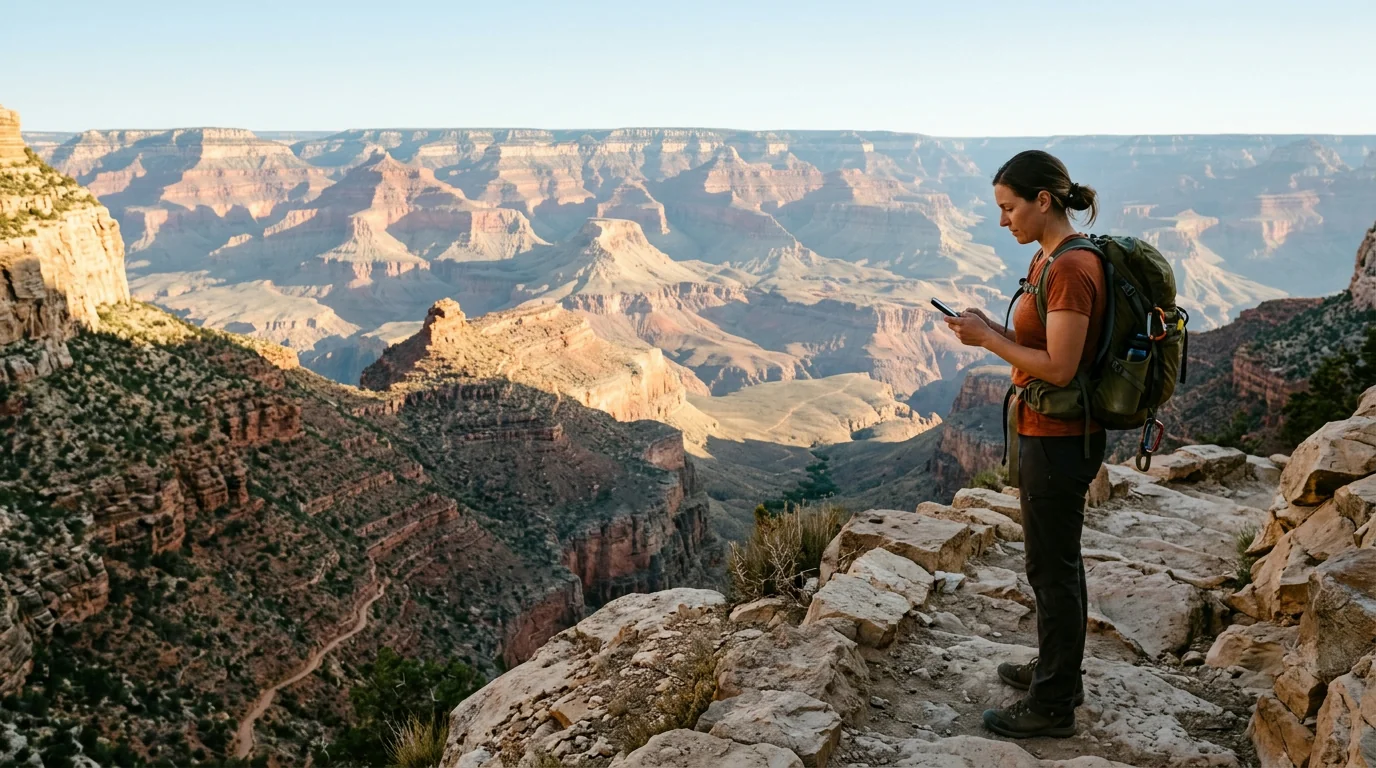
- Navigation: download offline maps and save key pins (trailheads, overlooks, shuttle stops). Don’t count on cell service in canyons.
- Sun and weather: bring sun protection, a wide-brim hat, and a light insulating layer—temperature swings at elevation are routine.
- Leave No Trace: stay on durable surfaces, pack out trash, respect wildlife closures, and never feed animals (review the Leave No Trace 7 Principles before your trip).
Using a digital guide to plan faster and travel lighter
Digital travel guide: what’s included and who it fits best
For travelers who want a curated, practical planning approach, Top 10 Must-See U.S. National Parks + Fast Facts (Digital Travel Guide eBook) is built for quick comparisons, flexible itineraries, and highlight-first planning.
To round out a simple travel kit for shoulder-season trips, consider layering pieces and trail-friendly pants from the shop: autumn-womens-coat and Low Waist Cargo Pants.
FAQ
What should be checked before visiting a national park for the first time?
Verify entry requirements (timed entry, permits), seasonal road closures, shuttle operations, and any weather or air-quality alerts. Check trail conditions and current advisories on the park’s official pages within a day or two of arrival.
Which season is best for national park hiking?
Shoulder seasons (spring/fall) often have the most comfortable hiking temperatures and fewer crowds, but higher-elevation parks can still have snow and limited services. Summer usually offers the most trail access, while winter can be quiet and beautiful with more closures and traction needs.
How can an itinerary stay flexible without missing the main highlights?
Plan one anchor activity per day, then add one backup option that works if weather, shuttles, or parking don’t cooperate. Start early, group stops by area to minimize driving, and keep a short list of quick viewpoints for low-energy afternoons.















Leave a comment