

2.4G RC Manta Ray Shark Water Toy: Pool & Tub Guide
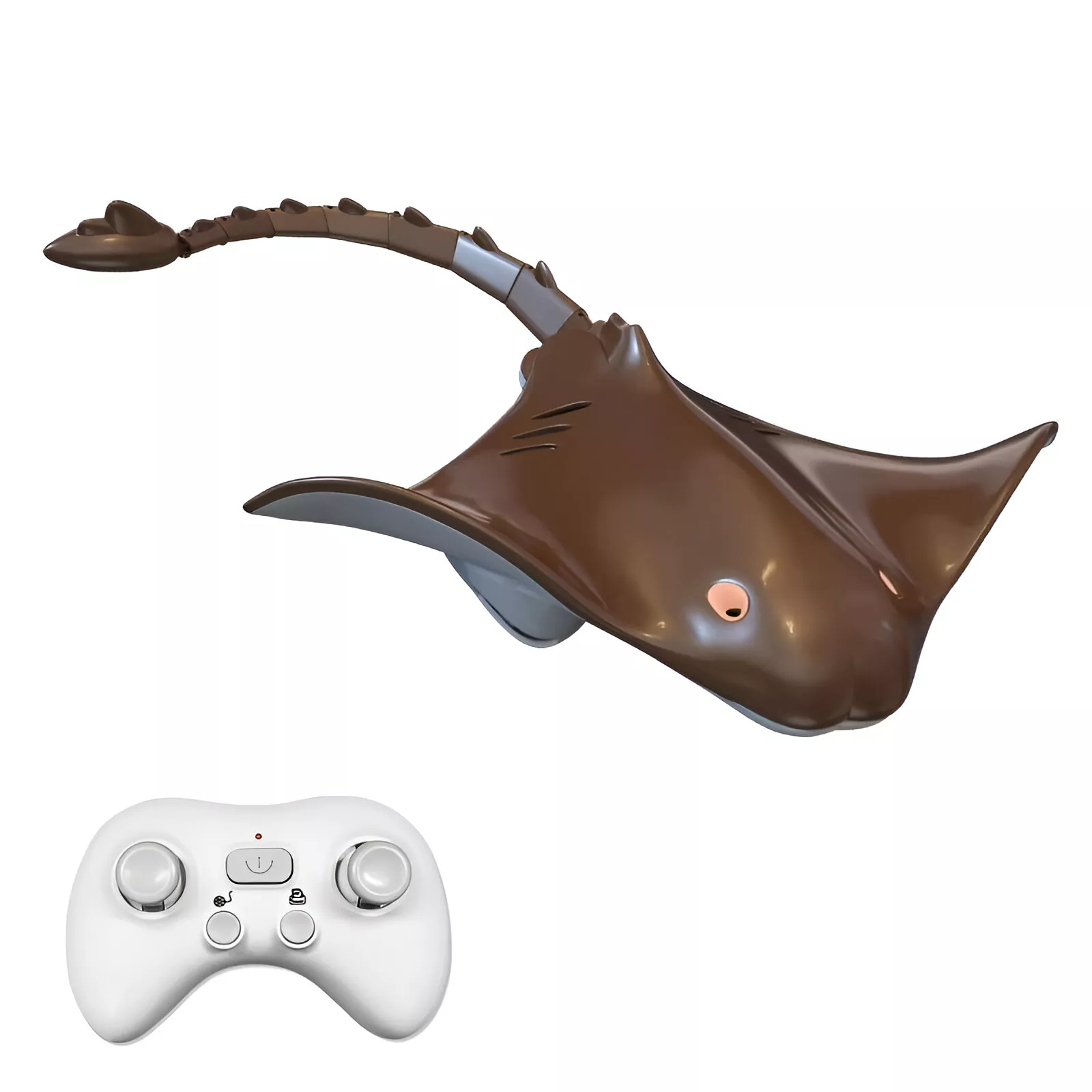
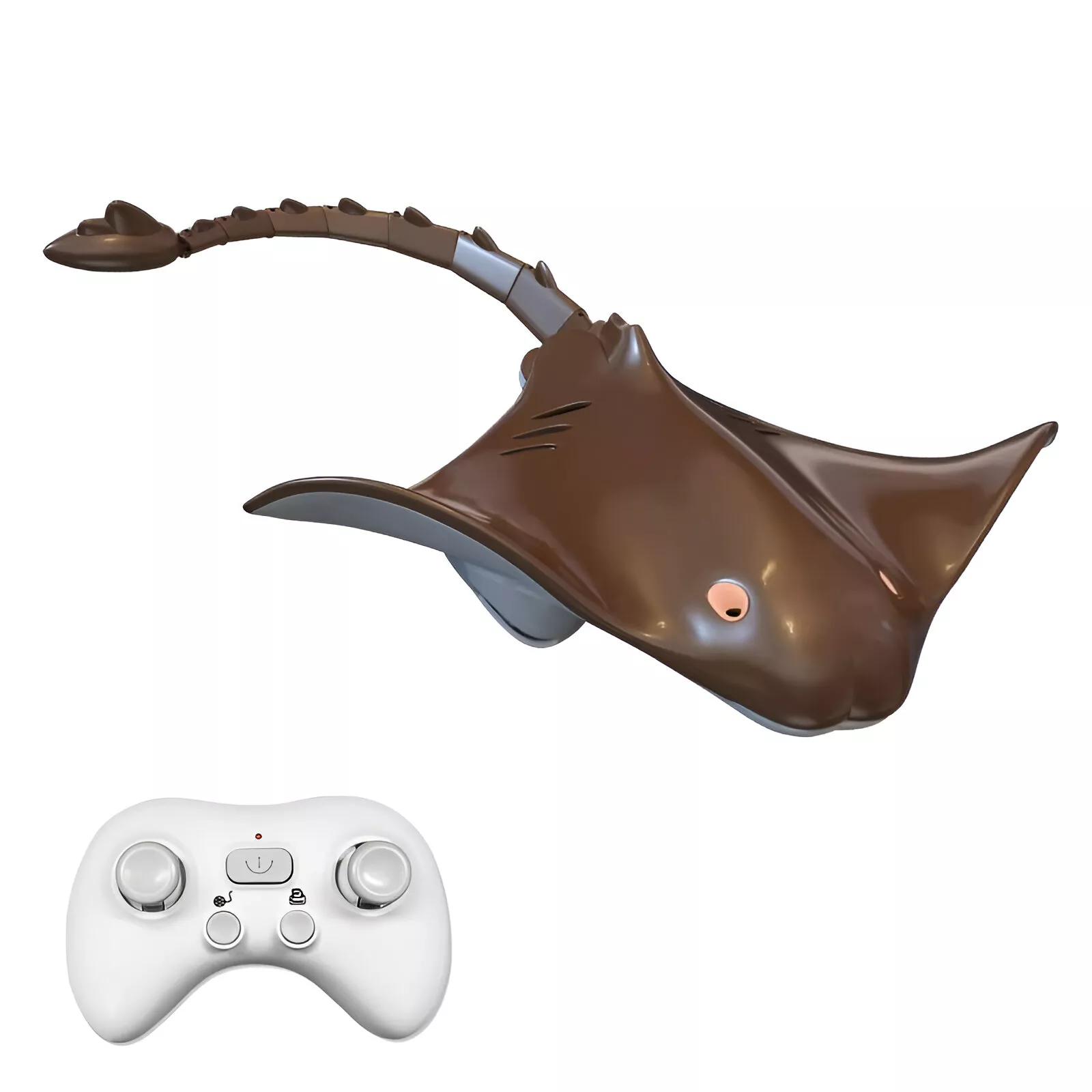
Remote Control Manta Ray Shark Toy – 2.4G RC Electric Water Animal for Kids
A manta ray–style water toy that swims with lifelike motion can turn a pool, bathtub, or calm pond edge into an engaging play zone. Unlike many water RC toys that rely on obvious spinning propellers, this gliding “water animal” style is designed to look and feel more like a real creature cruising through the water. Below is a practical guide to what it does, where it performs best, and how to set it up so kids spend more time steering and less time troubleshooting.
What this water animal toy is and how it “swims”
This toy uses a manta ray / shark-inspired body shape meant to move with a smooth, flapping-and-gliding motion. That style of propulsion tends to look more natural in the water and can be more fun to “track” visually as it cruises across a pool or tub.
Control is handled through a 2.4G remote connection, which typically helps reduce interference when multiple RC toys are used nearby. In practice, stability still depends on battery strength, distance, and whether there are obstacles between the controller and the toy.
Because it’s an electric water toy, performance depends heavily on conditions. Shallow water can cause scraping or stalling, while choppy surfaces can push the toy off course. For the most satisfying steering experience, plan for calm water and enough depth for the fins/body to move freely.
Where it works best: pool, tub, and calm-water play
Swimming pool play
Flat, calm pool water is the “sweet spot” for a gliding RC water animal. Keep it away from skimmers, drains, and suction points so it doesn’t snag or get pulled off line. Creating a simple boundary (like a pool noodle ring) can help younger kids practice smooth turns without repeatedly bumping into walls.
Bathtub play
A bathtub can be a great controlled space for supervised play—especially for kids who want something more interactive than a standard bath toy. The key is depth: if the toy’s fins or body keep tapping the bottom, it may struggle to glide. Also, keep the remote dry and set it on a counter or shelf, not on the tub edge where splashes collect.
Small basins and indoor bins
Small containers can work for quick demos, but only if there’s room to turn. If the toy bounces wall-to-wall, kids often overcorrect, which makes steering feel “hard” even when the toy is working correctly.
Outdoor calm water (controlled areas only)
Use outdoor water only when retrieval is easy and conditions are predictable. Avoid wind, current, and murky water where the toy becomes difficult to see or reach. A long-handled pool net is a smart backup if the toy drifts beyond arm’s reach.
Setup and first-time use checklist
Most frustrations with water RC toys come from rushed setup. A simple routine helps ensure the first session feels like play—not problem-solving.
- Charge or install batteries as directed by the included manual, and keep battery compartments dry during handling.
- Pairing: turn on the toy first (or the remote first, depending on the manual), then confirm a steady connection before placing it in water.
- Water activation: some models only start moving once contacts or sensors detect water. Test in shallow water first to confirm activation.
- Start close (a few feet), then increase distance gradually as steering feels predictable.
- Run a quick control test: forward motion, left/right turn, stop/idle—then repeat once in deeper water.
| Item to check | Why it matters | What to look for |
|---|---|---|
| 2.4G connection | More stable control in busy areas | Consistent response with minimal lag |
| Water depth | Prevents scraping and improves glide | Toy can move without hitting bottom |
| Smooth, calm surface | Helps keep direction and speed | Less drifting and fewer stalls |
| Battery door seals | Reduces risk of water intrusion | Door fully closed; gasket seated if present |
| Post-play drying | Extends toy life | Drained, wiped, and air-dried before storage |
Play ideas that keep kids engaged longer
Obstacle course steering
Float a few bath toys or pool floats and create “gates” to drive through. This builds coordination and gives kids a clear goal beyond simply going forward.
Rescue mission
Timed laps (smooth over fast)
STEM mini-challenges
Safety and supervision basics for water RC toys
Battery safety matters most: keep battery compartments closed tightly, and never operate the toy if the compartment is cracked or a seal looks compromised. For general toy safety guidance, review resources from the U.S. Consumer Product Safety Commission (CPSC) and the ASTM F963 toy safety standard overview.
Care, cleaning, and storage to extend lifespan
Troubleshooting common issues
Toy won’t move in water
Weak or inconsistent control
Drifts in circles
Stops suddenly
Water inside a compartment
Who it’s a good gift for
In-stock picks you can order now
- Remote Control Manta Ray Shark Toy – 2.4G RC Electric Water Animal for Kids ($29.01)
- Baby Bathing Pillow ($15.99)
FAQ
Can it be used in a bathtub safely?
Yes, as long as it’s intended for water use, an adult supervises the entire time, and there’s enough depth for smooth movement. Keep the battery compartment sealed, and handle battery access with dry hands away from splashes.
Does 2.4G mean it won’t interfere with other RC toys?
2.4GHz control typically reduces interference and makes it easier to run multiple toys nearby, but it’s not a guarantee. Range and stability still depend on distance, obstacles, and battery strength.
How should it be cleaned after pool use?
Wipe it dry after play, and if the manual allows, rinse the exterior with fresh water to remove chlorine. Make sure it’s fully air-dried before storage to help prevent corrosion and electrical issues.













Leave a comment