

Large Multi-Level Cat Tree: Posts, Caves & Perches
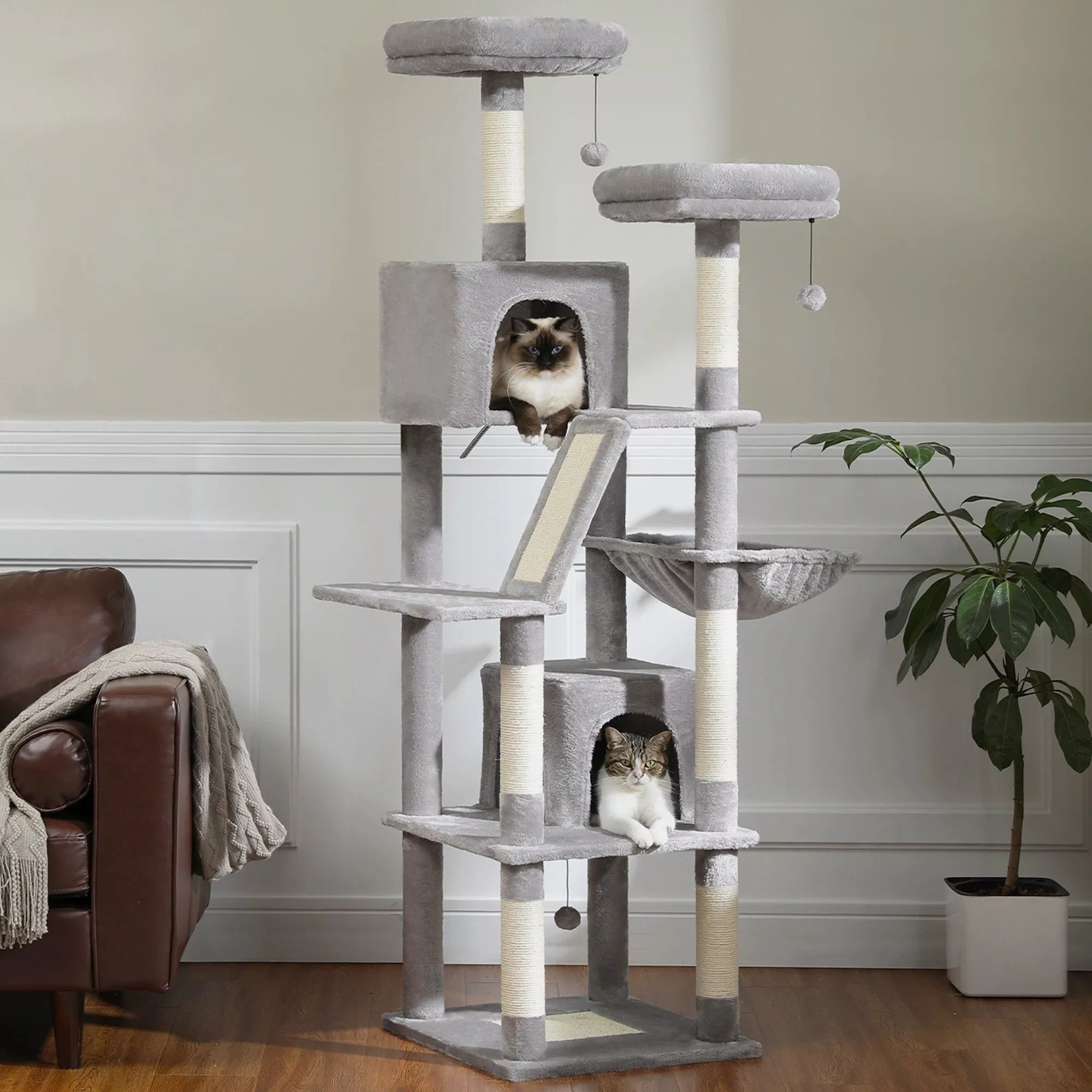
Large Multi-Level Cat Tree with Scratching Posts, Caves, and Perches for Indoor Cats
A well-designed indoor cat tree can turn a corner of the home into a climbing gym, nap zone, and scratch station all in one. For cats that crave vertical space, cozy hiding spots, and sturdy posts for daily claw care, a multi-level setup helps reduce boredom, protect furniture, and support natural behaviors like perching, stretching, and retreating to a quiet den.
Why Indoor Cats Thrive with Vertical Space
When cats live indoors, “up” becomes a major part of their environment. Adding levels and height gives them more room to act like cats—even in small apartments.
- Supports natural instincts: climbing, surveying territory, and choosing safe elevated resting places.
- Channels energy into healthy outlets: exploration and play can reduce nuisance behaviors like curtain-climbing or counter surfing.
- Creates predictable zones: perches build confidence, while caves offer privacy—especially helpful in multi-cat homes.
- Encourages movement: frequent up-and-down climbing adds activity throughout the day, which is valuable when floor space is limited.
Authoritative feline welfare resources consistently emphasize enrichment and environmental needs for stress reduction and well-being, including opportunities to climb, scratch, and rest in secure locations (see International Cat Care and the AAFP Feline Behavior Guidelines).
Key Parts That Matter: Posts, Caves, and Perches
Not all cat trees get used the same way. Cats tend to pick favorites based on how each element “fits” their daily routine—wake up, stretch, scratch, observe, nap, repeat.
- Scratching posts: choose posts tall enough for a full-body stretch and place them where your cat naturally pauses—near routes, corners, and rest areas.
- Caves/condos: enclosed spaces provide a low-stimulation hideout for naps, stress relief, and cat-to-cat boundaries.
- Perches/platforms: elevated platforms match a cat’s preference for height; wider perches make it easier to lounge and turn around.
- Multi-level layout: staggered platforms create an easy climbing path and reduce “big jumps” that can be tough for kittens, seniors, or heavier cats.
At a Glance: What This Multi-Level Cat Tree Offers
A large multi-level design works like an all-in-one indoor activity center: levels for climbing, posts for scratching, enclosed spots for downtime, and elevated lookout platforms. Over time, many cats build little habits around it—scratching after waking, watching the room from above, ducking into a cave for a quiet nap.
That routine is also what makes a cat tree practical for the home: it concentrates common behaviors in one place so scratching is more likely to happen on the posts than on rugs or furniture.
Feature Checklist for a Multi-Level Cat Tree
| Component | What it’s for | What to look for at home | Placement tip |
|---|---|---|---|
| Scratching posts | Claw maintenance, stretching, marking | Tall, stable posts; scratchable surfaces | Place near sleeping areas or common pathways |
| Caves/condos | Privacy, calming naps, hiding | Enough room to curl up and turn around | Position away from loud foot traffic |
| Perches/platforms | Lounging, lookout points, confidence | Wide, supportive platforms | Near a window for enrichment (avoid direct drafts) |
| Multi-level steps | Easy climbing route | Staggered heights and secure joints | Ensure a clear “climb line” without blocked landings |
| Base and stability | Prevents wobble and tipping | Broad base; even floor contact | Use on a flat surface; consider wall-adjacent placement |
Choosing the Right Size and Layout for Your Cat
The best cat tree is the one your cat will actually use. Matching the layout to your cat’s body type, age, and household dynamics usually makes the difference between “occasionally visited” and “daily hangout.”
- For larger cats: prioritize sturdiness, broader platforms, and enough turning space in the caves so your cat can settle comfortably.
- For kittens: more intermediate platforms help learning and confidence; avoid overly large gaps between levels until they’re coordinated jumpers.
- For seniors: a gentle climb path and lower-to-mid perches reduce joint strain; keep the top level reachable via smaller steps.
- For multi-cat homes: multiple perches and separate resting zones reduce competition; caves can serve as “time-out” spaces when a cat wants to disengage.
Where to Put a Cat Tree for Daily Use
Placement is half the battle. Even a great cat tree can be ignored if it’s tucked away in a low-value spot.
Keeping It Stable, Safe, and Easy to Maintain
A Simple Routine to Help Cats Use It Right Away
Product Options (In Stock)
- Large Multi-Level Cat Tree with Scratching Posts, Caves, and Perches for Indoor Cats — a multi-zone setup designed for climbing, scratching, hiding, and elevated lounging in one footprint. Price and availability can change; check the product page for current details.
- Baby Bathing Pillow — a soft, supportive cushion option for households that appreciate extra comfort solutions for gentle, hands-on routines.
- Low Waist Cargo Pants — a casual wardrobe pick with practical pocket space for everyday essentials.
FAQ
How tall should scratching posts be on a cat tree?
Look for posts tall enough for a full-body stretch—often around 28–32 inches or more. Larger cats may benefit from taller posts, but stability matters just as much as height.
Is a multi-level cat tree good for multi-cat households?
Yes—multiple perches and separate caves help cats share space with less conflict by giving them clear “zones.” If competition is still an issue, adding a second scratcher elsewhere can further reduce crowding.
How do you stop a cat tree from wobbling?
Tighten all hardware, place the base on a flat surface, and add a non-slip mat on slick flooring. Positioning the tree against a wall or in a corner can also improve stability, especially while your cat gets used to climbing from lower levels first.













Leave a comment