
4-Person Pop-Up Waterproof Tent: UV & Ventilation Guide
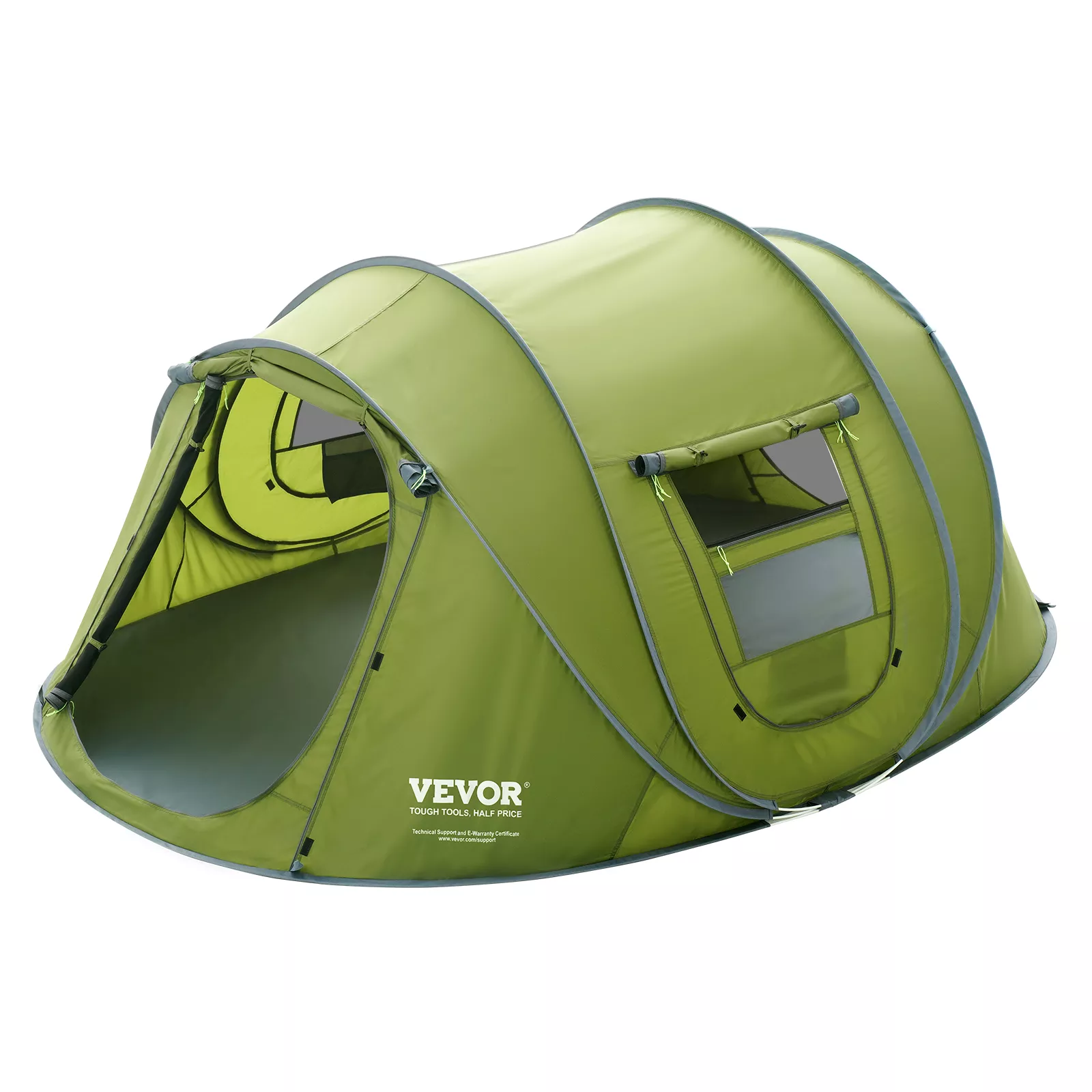
4-Person Pop-Up Waterproof Camping Tent with UV Protection & Ventilation
A pop-up tent can make camp setup feel effortless—especially when weather and sun exposure are unpredictable. This 4-person pop-up waterproof camping tent is designed for quick pitching, rain resistance, UV protection, and airflow, making it a practical choice for weekend campouts, festivals, beach days, and family trips where comfort matters as much as speed.
What this tent is built for
Pop-up designs shine when the plan changes fast: a late arrival to the campground, a one-night stop on a road trip, or a quick basecamp for a day of hiking and swimming. The goal is simple—spend less time wrestling poles and more time settling in.
- Fast setup for spontaneous trips, late arrivals at camp, or frequent stop-and-go travel
- Coverage for up to four sleepers, or extra room for two people plus bags and shoes
- Weather-ready design goals: keep rain out, reduce sun intensity, and maintain ventilation to limit condensation
- Good fit for car camping, lakeside sites, state parks, and backyard camping practice runs
If you want a quick, packable shelter with practical comfort features, consider the 4-Person Pop-Up Waterproof Camping Tent with UV Protection & Ventilation.
Quick setup and takedown basics
Pop-up doesn’t mean “no steps.” A stable pitch still depends on smart placement and secure anchoring—especially if an afternoon breeze turns into nighttime gusts.
- Choose level ground and remove sharp debris before unpacking to help protect the floor
- Position the door and vents relative to wind direction to improve airflow and reduce flapping
- Stake corners early so the tent holds shape; add guylines when wind or rain is expected
- Practice folding and packing at home once—pop-up tents are quickest when the fold pattern is familiar
Fast checklist for a stable pitch
| Step | What to do | Why it helps |
|---|---|---|
| Site prep | Clear rocks/sticks; avoid low spots | Reduces floor wear and pooling water |
| Orient tent | Face door away from strong wind when possible | Improves comfort and lowers drafts |
| Anchor points | Stake corners, then tension guylines | Boosts stability in gusts |
| Rain readiness | Keep zippers fully closed; use vents strategically | Limits wind-driven rain and condensation |
Waterproofing that works in real conditions
Staying dry isn’t just about a “waterproof” label. It comes down to how the whole shelter handles water: fabric coatings, seam construction, zipper protection, and whether the floor rises high enough to resist splash and runoff.
- Water resistance depends on both fabric and construction: seams, zippers, and bathtub-style floors often matter as much as the rainfly material
- For heavy or prolonged rain, add extra attention to runoff: avoid pitching under drip lines from trees and keep gear away from tent walls
- Use a properly sized groundsheet if desired, but keep it fully under the tent footprint so it doesn’t channel water underneath
- After wet trips, dry the tent fully before storage to help prevent odor and mildew
For storm timing and safety, it’s worth reviewing the National Weather Service guidance on lightning before heading out: https://www.weather.gov/safety/lightning.
UV protection for beach days and sunny campsites
Sun exposure can be the hidden “weather event” of a trip—glare, heat buildup, and fabric wear add up quickly in open sites. UV-protective materials help cut intensity, and a few setup choices can make the interior feel noticeably calmer during peak hours.
- UV-protective materials can reduce glare and heat buildup while helping slow fabric degradation from sunlight
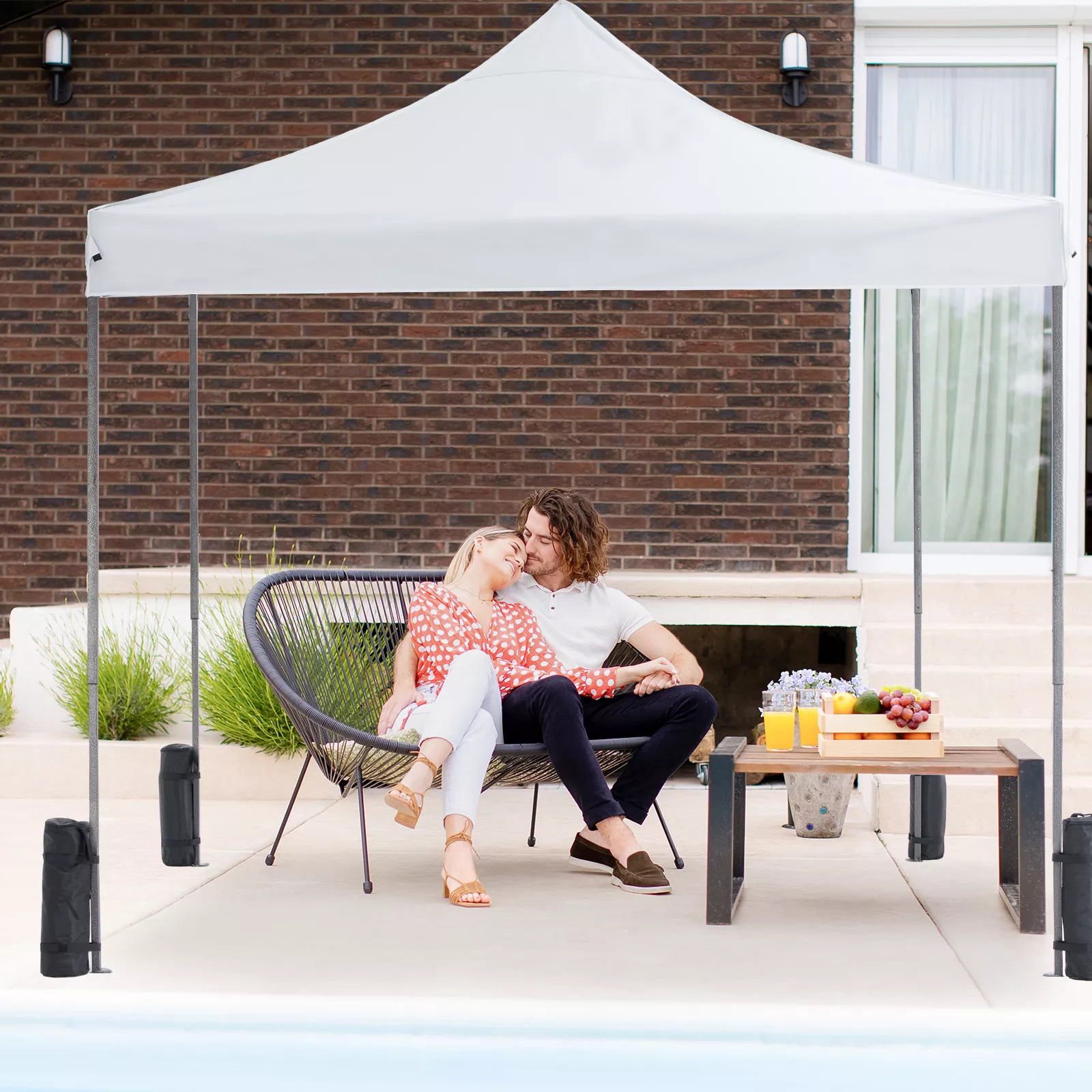
- For maximum comfort in midday sun, add shade strategy: pitch near natural shade or use an extra tarp or canopy in common areas
- Rotate or reposition the tent if sun angle changes and the interior becomes noticeably warmer on one side
- Even with UV protection, long continuous exposure can wear fabrics over time—store out of direct sun when not in use
If you’re planning around sun risk, the EPA’s UV Index overview is a helpful reference: https://www.epa.gov/sunsafety/uv-index-scale-0.
Ventilation and condensation control
Even on dry nights, moisture builds up inside a tent from breathing and damp gear. Ventilation is what keeps that moisture from turning into a clammy film on walls and sleeping bags.
Space planning for four campers
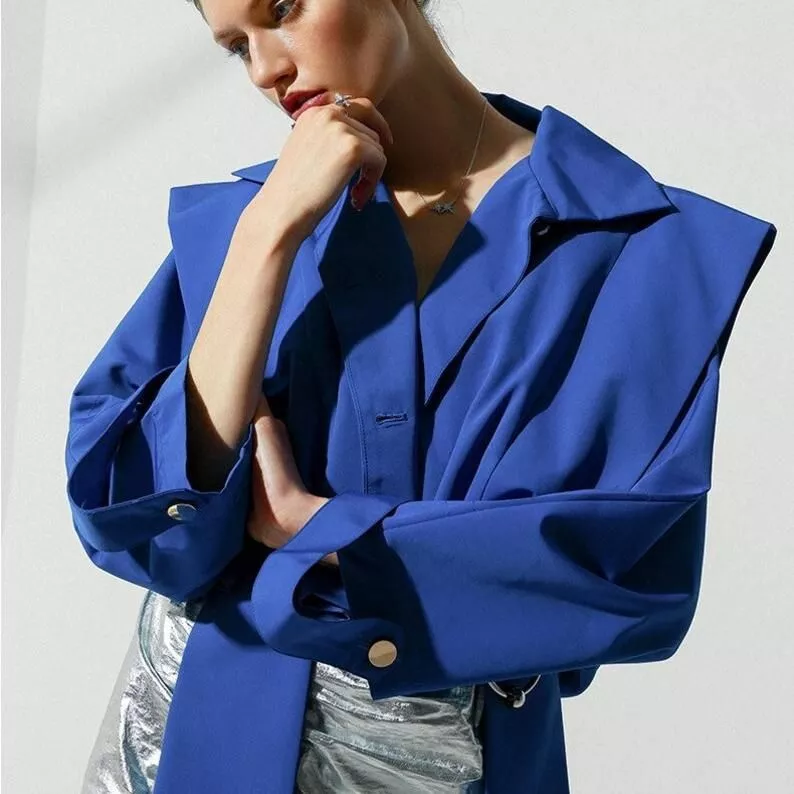
For cooler evenings at camp, having an easy-on outer layer can make tent time more comfortable—see the autumn-womens-coat. And for rugged, flexible campwear that can handle kneeling at stakes and moving gear, check out Low Waist Cargo Pants.
Care, maintenance, and off-season storage
For practical mold prevention and cleanup basics, the CDC’s guidance is a solid resource: https://www.cdc.gov/mold/cleanup.htm.
FAQ
How long does a pop-up tent usually take to set up?
For a first-time setup, plan on about 3–8 minutes, mainly to position it well and figure out staking. Once familiar, many campers can pitch the tent in 1–3 minutes, with extra time added for guylines and tighter anchoring when wind or rain is expected.
Can ventilation panels stay open in light rain?
Often, yes—especially if the vents are covered or positioned to shed water. Keep openings on the leeward side (away from wind) and reduce them if rain starts blowing sideways to prevent water from being driven inside.
What helps keep a tent cooler in direct sun?
UV-protective fabric helps reduce glare and heat gain, but placement matters most: use natural shade when possible, orient doors/vents to catch airflow, and add a canopy or tarp over the common area. If the sun shifts and one wall starts heating up, repositioning even slightly can make the interior more comfortable.










Leave a comment