

Adjustable Outdoor Stair Railing for 1–5 Steps
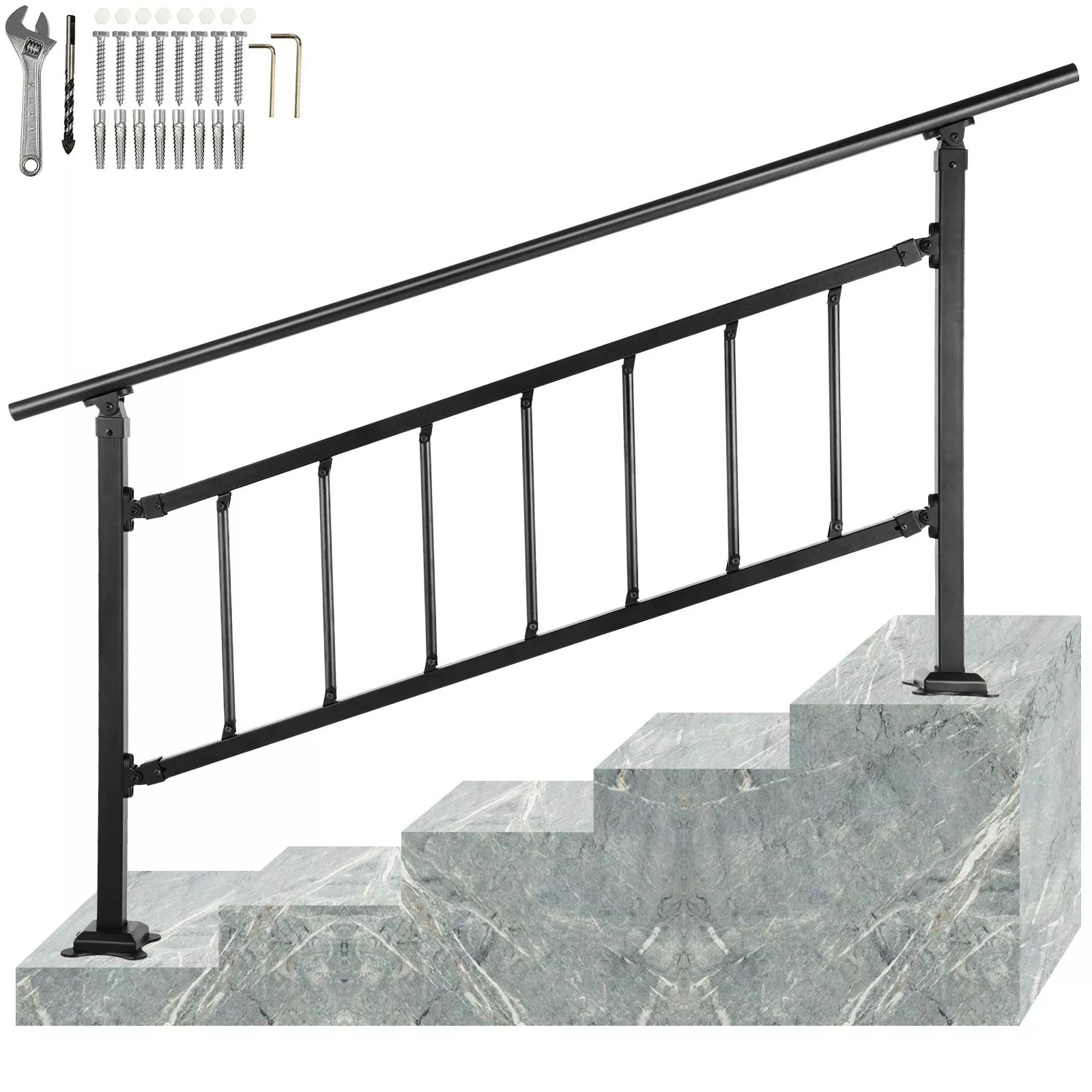
Outdoor stair support that feels natural on real steps
Outdoor steps take a beating—rain, sun, muddy shoes, grocery runs, and the occasional icy morning. A reliable handrail turns those everyday moments into safer, steadier ones without changing the character of your entryway. Our adjustable outdoor stair railing is built for 1–5 steps, designed in heavy-duty wrought iron, and made to install where stability matters most: porches, front stoops, deck stairs, and garden steps.
If you’ve ever had a railing that didn’t match the angle of the stairs (or one that slowly loosened and started to wobble), adjustability and solid construction aren’t “nice-to-haves.” They’re what makes the rail feel trustworthy every single day.
Where this railing makes the biggest difference
Our team sees the biggest day-to-day improvement when you add a sturdy grab point to the places people use on autopilot—especially when attention is split between footing and whatever you’re carrying.
- Front porch or stoop steps that feel slick after rain or early-morning dew
- Deck stairs where family and guests naturally reach for support while carrying drinks, packages, or laundry
- Garage-to-house steps that are used multiple times a day (often when hands are full)
- Garden or patio steps where uneven ground and outdoor footwear can reduce traction
- Rental properties and multi-visitor entries where clear, sturdy support helps everyone move confidently
Adjustable fit for 1–5 steps: what that means in real life
An adjustable handrail is designed to align with the slope of different stair runs, making it suitable for short sets of steps (from a single riser up to five). That flexibility helps when you’re replacing an older railing that never matched the stairs perfectly or when you’re adding support to steps that weren’t built to a standard angle.
Before you order, focus on two things: the number of risers and the strength of the mounting surfaces. Even a great railing can’t compensate for anchors placed into weak material.
Quick measuring checklist before ordering
| What to check | Why it matters | Simple way to measure |
|---|---|---|
| Number of steps | Confirms 1–5 step suitability | Count risers from ground to landing |
| Stair width | Determines whether one rail is enough | Measure edge-to-edge tread width |
| Mounting surface | Ensures a stable install | Confirm solid wood/stone/concrete where screws/anchors will go |
| Clearance | Prevents interference with doors and traffic flow | Check door swing and walking path beside the rail |
| Hand position comfort | Improves everyday usability | Stand at the top step and mimic the grip while stepping down |
If your stair set is wider, a single railing can still make a noticeable safety difference; for high-traffic entries, matching railings on both sides can increase comfort and balance. Either way, plan placement so the rail can be grabbed naturally—before stepping down, not only mid-descent.
Heavy-duty wrought iron: built for outdoors and daily use
Wrought iron construction is chosen for rigidity and confidence under hand pressure, especially on frequently used entries. A solid metal railing helps reduce the wobble that can happen with lighter materials over time, particularly with outdoor temperature swings and repeated loading.
- For homes with kids, older adults, or anyone recovering from injury, a firm rail provides consistent support that doesn’t flex unexpectedly.
- Wrought iron pairs well with a wide range of exterior styles—modern farmhouse, traditional brick, painted siding, and stone steps—so the railing looks intentional rather than temporary.
- To keep it looking its best, periodically wipe off dirt and check mounting points, especially after severe weather.
If you’re comparing options, it helps to think beyond “will it hold today?” and instead ask “will it still feel solid after a season of storms, heat, and daily use?” That’s where a heavy-duty metal rail earns its keep.
A practical installation plan (without overcomplicating it)
A clean install is about smart layout and the right anchors for your surface. Here’s a simple plan our team recommends:
For code and accessibility context, you can reference the ADA Standards for Accessible Design (2010) and general stair/guard guidance from the International Code Council (IRC) resources. Local requirements vary, so these sources are best used as a starting point.
Comfort and safety details that matter day to day
Our product pick for sturdy, adjustable outdoor support
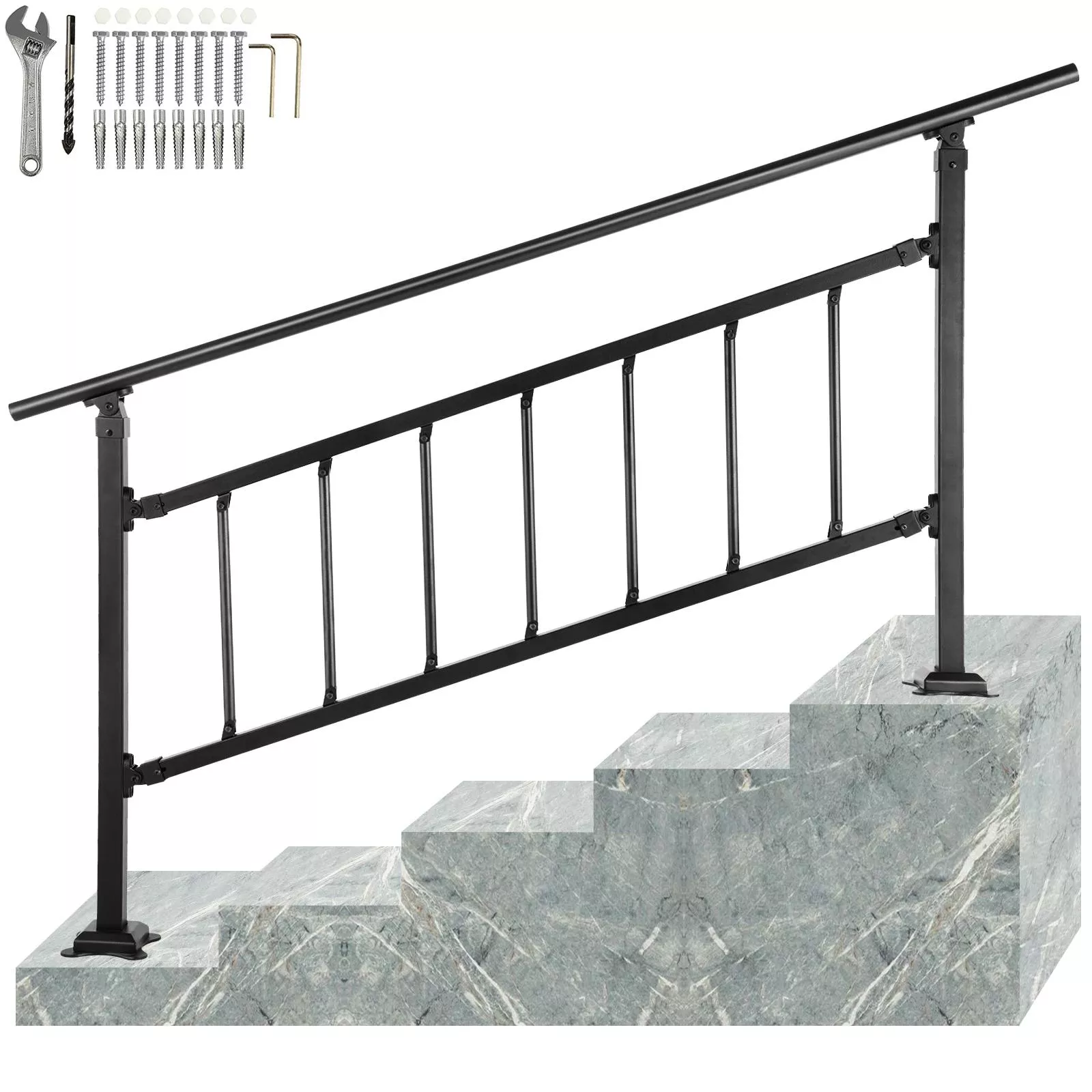
When you want a stable, reliable grab point without waiting on custom metalwork, our go-to is the Outdoor Stair Railing – Adjustable Handrail for 1-5 Steps, Heavy-Duty Wrought Iron. It’s best suited for porches, decks, and short stair runs where adjustability helps the rail match the angle of the steps and feel secure from the first use.
To round out home routines beyond the front steps, you can also browse a couple of other in-stock items our team keeps on hand for everyday comfort: Baby Bathing Pillow and autumn-womens-coat.
FAQ
Will this handrail work for just one step or a small porch stoop?
Yes, as long as you’re counting risers (one step equals one riser) and your stoop has enough solid, flat mounting area on the landing and the lower step for secure anchoring. A stable base matters as much as the rail itself.
Can it be installed on concrete or brick steps?
Yes, with the correct masonry anchors and a drill bit designed for your specific material. Mount into solid concrete or brick (not cracked mortar), and tighten the hardware gradually and evenly to avoid misalignment.
How do you know where to place the railing for the most comfortable grip?
Stand on the top step and simulate a normal descent while reaching for support; the rail should be reachable before you step down. Make sure placement doesn’t interfere with door swing and doesn’t pinch the walking path beside the rail.













Leave a comment