

3M Rectangular Inflatable Family Pool for Backyard Fun
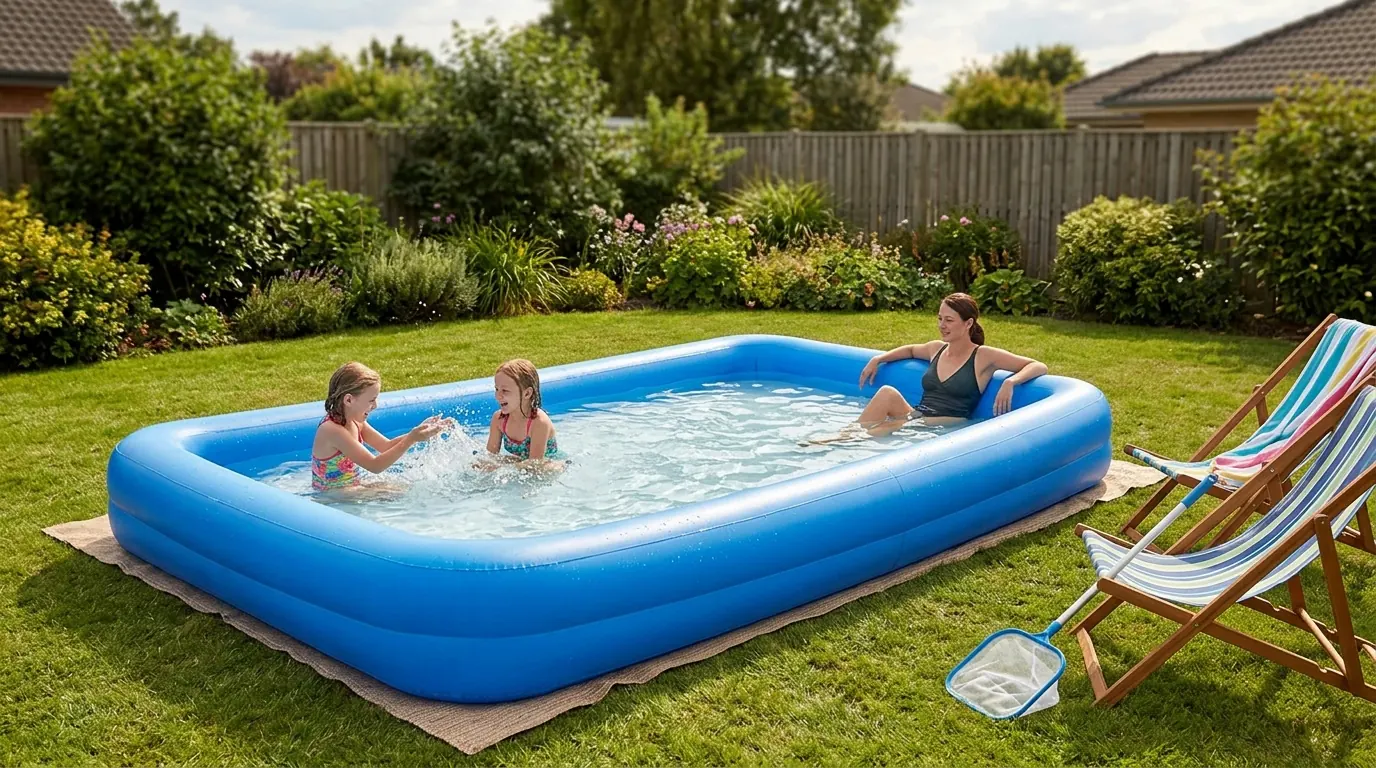
3M Inflatable Family Pool: Rectangular Outdoor Fun for Kids and Adults
Turn a plain backyard into a summer hangout with a spacious rectangular inflatable pool sized for real family play. Our 3M PVC family pool is made for easy setup, splash time with the kids, and laid-back cooling off for adults—without the commitment of a permanent install. Below is a practical plan for getting the most enjoyment out of a large inflatable pool while keeping comfort, cleanup, and safety in mind.
Why a rectangular family pool changes backyard days
A rectangular inflatable pool can make your yard feel more “usable” because it naturally organizes play. Instead of everyone crowding the same center point, you can spread out and share the space without constantly bumping elbows.
- Room to spread out: The rectangular shape helps create distinct zones—one end for play, one end for lounging—so kids and adults can be in the pool at the same time more comfortably.
- More usable floor space: Many families find a rectangle gives more practical “hangout” area than a similarly sized round pool, especially when you add float toys or simple water games.
- Easy summer wins: It’s a simple way to add water fun for birthdays, weekends, and heat waves with far less planning than a trip to a public pool.
Built for outdoor use: PVC comfort, stability, and everyday durability
PVC is a go-to material for inflatable pools because it’s flexible, wipe-clean, and designed to be inflated and deflated repeatedly through the season. With a wide, rectangular footprint, the pool can feel steadier underfoot on level ground, and it’s easier to size a ground cloth underneath so the base stays protected.
One detail that makes a big difference: where you place it. A flat lawn or smooth patio surface is ideal. Avoid sharp edging, gravel, or stick-filled areas that can lead to punctures or uneven water depth.
Backyard setup checklist (quick, repeatable steps)
| Step | What to do | Why it matters |
|---|---|---|
| Choose the spot | Pick a flat area away from branches, fences with sharp edges, or rocks | Helps prevent tipping, punctures, and uneven water depth |
| Protect the base | Lay down a tarp/ground cloth under the pool | Reduces abrasion and keeps the bottom cleaner |
| Inflate fully | Inflate chambers evenly until firm (not overstretched) | Improves stability and comfort on the sidewalls |
| Fill in stages | Add water gradually and smooth the base as it fills | Keeps the floor from wrinkling and helps the pool sit square |
| Add shade | Use an umbrella/canopy nearby | Makes longer play sessions more comfortable in peak sun |
| Set rules early | No pushing, no running, adult supervision | Prevents accidents before excitement takes over |
Outdoor fun ideas that fit the rectangular layout
Rectangular pools are great for simple routines that keep the day moving (and keep your yard from turning into chaos). Here are a few ways our team likes to see families use the space:
- Family “two-zone” setup: Put float toys and splash play on one end, and reserve the other end for sitting, relaxing, and quick cool-down dips.
- Low-mess games: Try sponge toss, floating target rings, or a small ball game that stays in the water so you’re not chasing toys across the yard.
- After-dinner cool-down: Keep towels ready and plan a fast rinse so the kids can hop in for 15–20 minutes without dragging the whole evening off track.
- Weekend routine: Inflate once, enjoy multiple sessions, and keep a lightweight cover or clean tarp handy to reduce debris between uses.
Filling, water care, and draining without the hassle
Inflatable pools are at their best when you keep water care simple. Start by rinsing the inside before the first fill, especially if it’s been stored since last season. During use, skimming often (even with a small net) keeps leaves and grass clippings from sinking and getting stirred up again.
Many households find a practical approach is to drain and refill periodically rather than managing a full filtration system, particularly after heavy use or a busy weekend. If you do drain, direct water away from your home’s foundation and avoid flooding garden beds; also check local guidance if seasonal restrictions apply.
Comfort and safety habits for kid-and-adult swim sessions
Even shallow backyard pools need real safety habits. The CDC and other safety organizations emphasize that active supervision is essential whenever children are in or near water. For deeper guidance from authoritative sources, you can review CDC: Drowning Prevention, American Red Cross: Water Safety, and U.S. Consumer Product Safety Commission: Pool and Drowning Safety.
Make it last: storage and seasonal care
In-stock picks from our team
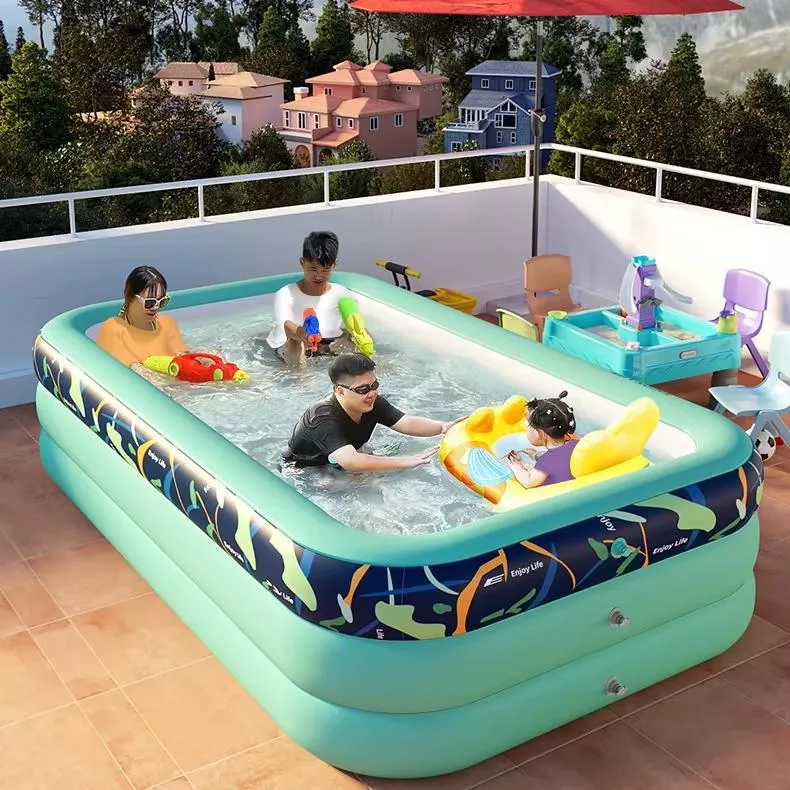
- 3M Inflatable Family Pool for Outdoor Fun – Rectangular PVC Swimming Pool for Kids & Adults — our go-to choice for roomy backyard splash time for kids and adults.
- Baby Bathing Pillow — a helpful add-on for easier bath-time rinses after pool play (especially when you want a calmer cleanup routine).
FAQ
How long does it take to set up a large inflatable family pool?
Plan for ground prep, inflating, and then staged filling; the total time varies based on your pump and water pressure. In many backyards, inflation can take minutes with an electric pump, while filling may take longer depending on hose flow.
What should go under an inflatable pool on grass or patio?
A tarp or ground cloth is a reliable choice because it helps protect the base from abrasion and keeps the bottom cleaner. Clear the area first (sticks, rocks, and sharp debris) and aim for the flattest spot you can.
How often should the water be changed in an inflatable backyard pool?
It depends on how often you use it, how much debris gets in, and whether you keep it covered between sessions. Change the water sooner if it looks cloudy, has visible dirt buildup, or has been heavily used, and follow any local guidelines for draining and refilling.













Leave a comment