

14.8×6.6×6.6 Walk-In Tunnel Greenhouse Setup Guide
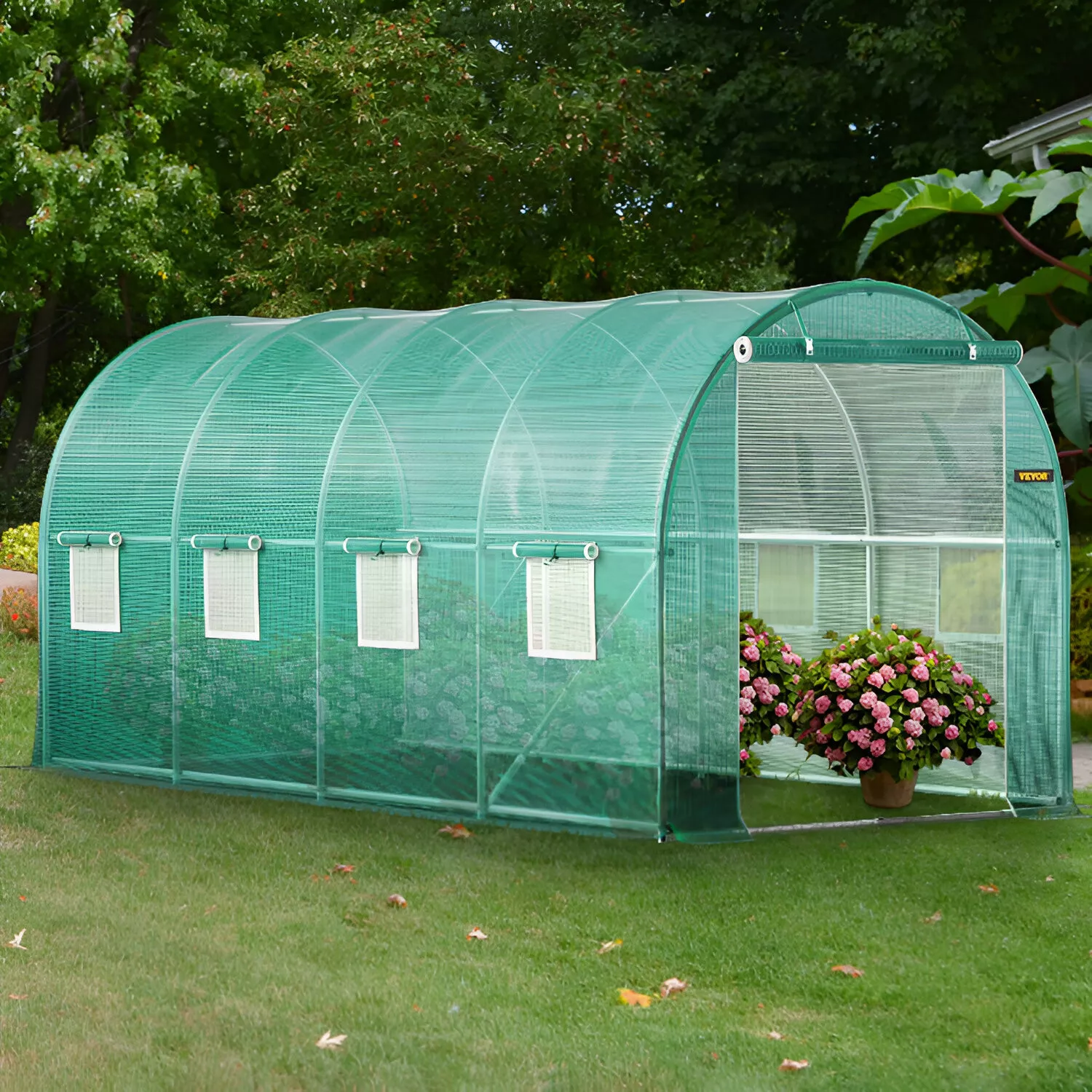
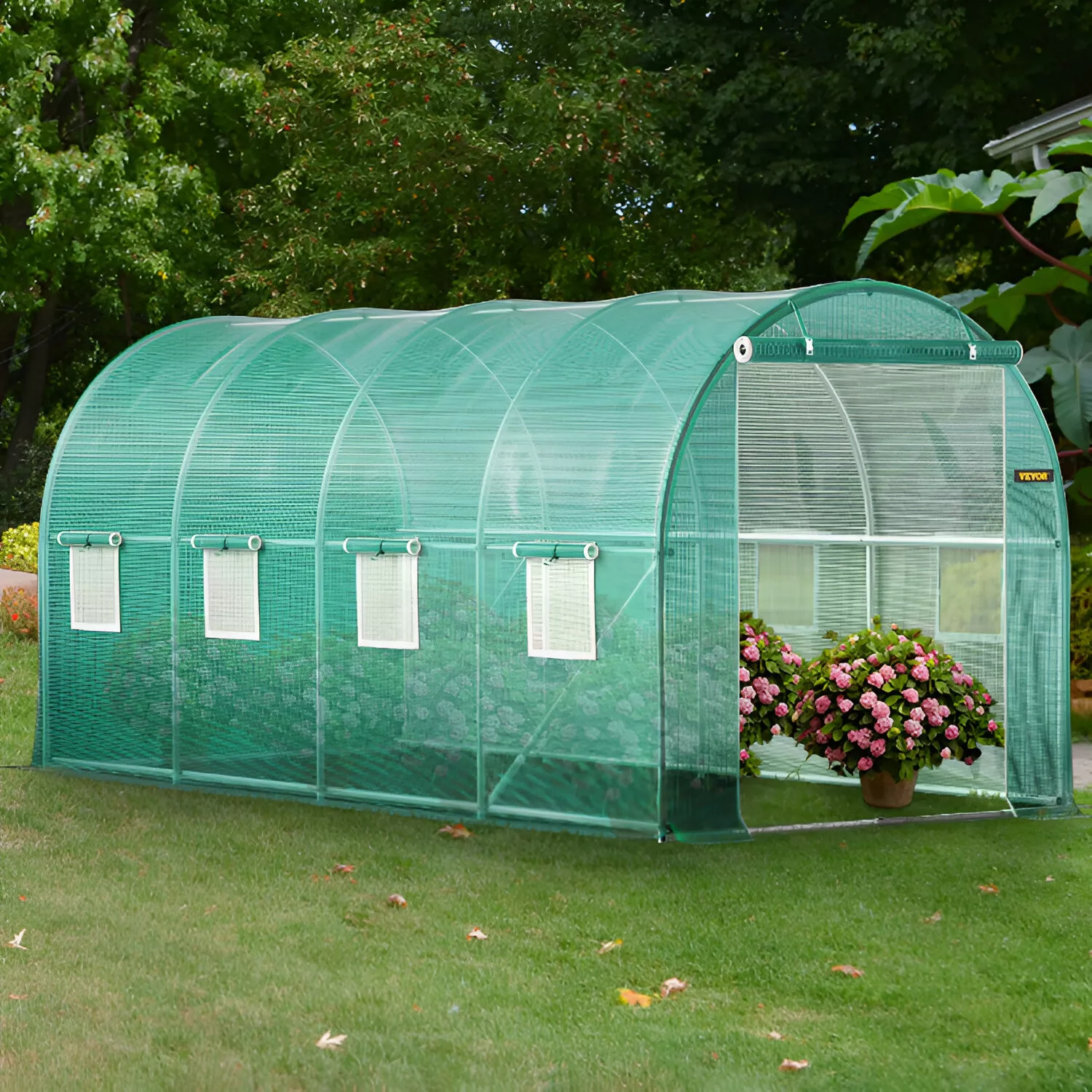
Walk-in Tunnel Greenhouse 14.8×6.6×6.6 ft: a backyard season-extender that keeps you moving
When the forecast can’t make up its mind—warm afternoons followed by cold nights, surprise wind, or an early nip of frost—a walk-in tunnel greenhouse helps you keep your garden plans on schedule. Our team likes this 14.8×6.6×6.6 ft tunnel format because it creates a protected growing lane without taking away the convenience of stepping inside to water, scout, tie plants up, and harvest comfortably. The PE cover and galvanized steel frame are a practical pairing for day-to-day backyard use, especially when you build a simple venting and anchoring routine.
What this tunnel greenhouse is built to do
- Create a sheltered zone that reduces wind stress and smooths out temperature swings for more consistent growth.
- Extend spring and fall productivity by buffering chilly winds and light frost (results vary by climate and management).
- Give you walk-in working height so you can water, prune, trellis, and move trays and tools without crouching.
- Support daily routines—venting, moisture checks, pest scouting, and harvesting—without hauling everything back indoors.
Size and layout: planning your growing lanes
The 14.8 ft length is made for row-style thinking: long beds, a clear path, and predictable airflow from end to end. At 6.6 ft wide, you can keep plants within reach from a central walkway without turning the interior into a tight squeeze. And at 6.6 ft tall, you have enough headroom for staking peppers, training cucumbers, and working around simple trellises.
Before you set anything in place, decide where your walkway goes and stick to it. A clean path protects your soil structure (less compaction in beds) and makes it easier to carry a watering can, run a hose, or roll in a small cart.
Quick layout guide for a 14.8×6.6 ft tunnel
| Plan | Beds/Rows | Walkway | Best for |
|---|---|---|---|
| Two-bed layout | Two long side beds | Center path | Greens, herbs, mixed plantings with easy access |
| Three-row layout | Three narrow rows | Two stepping paths | Tight spacing for carrots, spinach, lettuce |
| Single wide bed | One wide bed | Side access or stepping stones | High-density salad garden, low crops |
Materials that matter: PE cover + galvanized steel frame
A PE cover is a straightforward choice for backyard growing because it helps hold humidity around plants and cuts wind chill while still allowing light through. Pairing that with a galvanized steel frame matters because outdoor moisture is constant—dew, rain splash, and damp soil air all add up over a season. The tunnel shape also encourages runoff, which helps reduce the “flat roof” problem where water pools and stresses the cover.
What makes the biggest real-world difference, though, is how you finish the setup: anchoring and tensioning. A snug cover flaps less, wears slower, and generally feels steadier in gusty weather.
Ventilation, moisture, and temperature: the routine that keeps plants happy
- Vent early on sunny days. Even when outdoor temperatures feel mild, tunnel interiors can heat quickly, stressing cool-season crops.
- Plan a watering method. Protected structures shed rainfall—great for controlling moisture, but it means you’re responsible for consistent irrigation. Drip lines or soaker hoses can simplify this.
- Watch humidity and leaf wetness. Good airflow and spacing help reduce fungal pressure; avoid leaving wet foliage overnight when possible.
- Close up before the evening drop. Securing openings at night helps hold warmth and reduce drafts around tender plants.
If you want deeper greenhouse-growing fundamentals, Penn State Extension’s guide to high tunnel basics is a strong reference for day-to-day management habits.
Penn State Extension: High tunnel basics and management
Where this greenhouse fits best in your yard
Site choice is half the performance. Pick a level location with maximum sun during your main growing season; morning sun is especially useful because it dries leaves earlier and can lower disease pressure. Avoid “wind tunnel” spots between buildings or tight fence corridors—if your yard is breezy, plan on stronger anchoring and consider a windbreak.
Also plan for water access. A nearby hose connection saves time and makes it more likely you’ll keep a consistent routine when the season gets busy.
To match crop timing to your climate, use the USDA Hardiness Zone Map as a starting point for average winter lows (then adjust based on your microclimate and shoulder-season swings).
Setup and anchoring checklist (the step many gardens skip)
What to grow inside: practical crop ideas by season
University of Minnesota Extension: Growing vegetables in a greenhouse
Everyday care: keeping the greenhouse working season after season
In-stock picks from our store
- Walk-in Tunnel Greenhouse 14.8×6.6×6.6 ft with PE Cover & Galvanized Steel Frame
- Baby Bathing Pillow
- Low Waist Cargo Pants
FAQ
Does a PE-covered tunnel greenhouse protect plants from frost?
It can reduce wind chill and soften the impact of light frost, but the level of protection depends on how low temperatures drop, how well you close and secure the tunnel at night, and whether you add measures like row covers or thermal mass. Your results will vary by location and daily management.
How should the greenhouse be anchored for windy areas?
Use an anchoring method suited to your soil, prioritize securing corners and sides, and keep the cover properly tensioned to reduce flapping. Recheck anchors after heavy rain or the first strong wind event and tighten as needed.
How do you prevent overheating inside a walk-in tunnel greenhouse?
Vent early on sunny days, space plants for airflow, and monitor humidity so heat doesn’t build up unexpectedly. Adjust watering to avoid stress and close openings later in the day as temperatures fall.













Leave a comment