

Compact Portable Power Bank Guide: Carry, Charge, Go
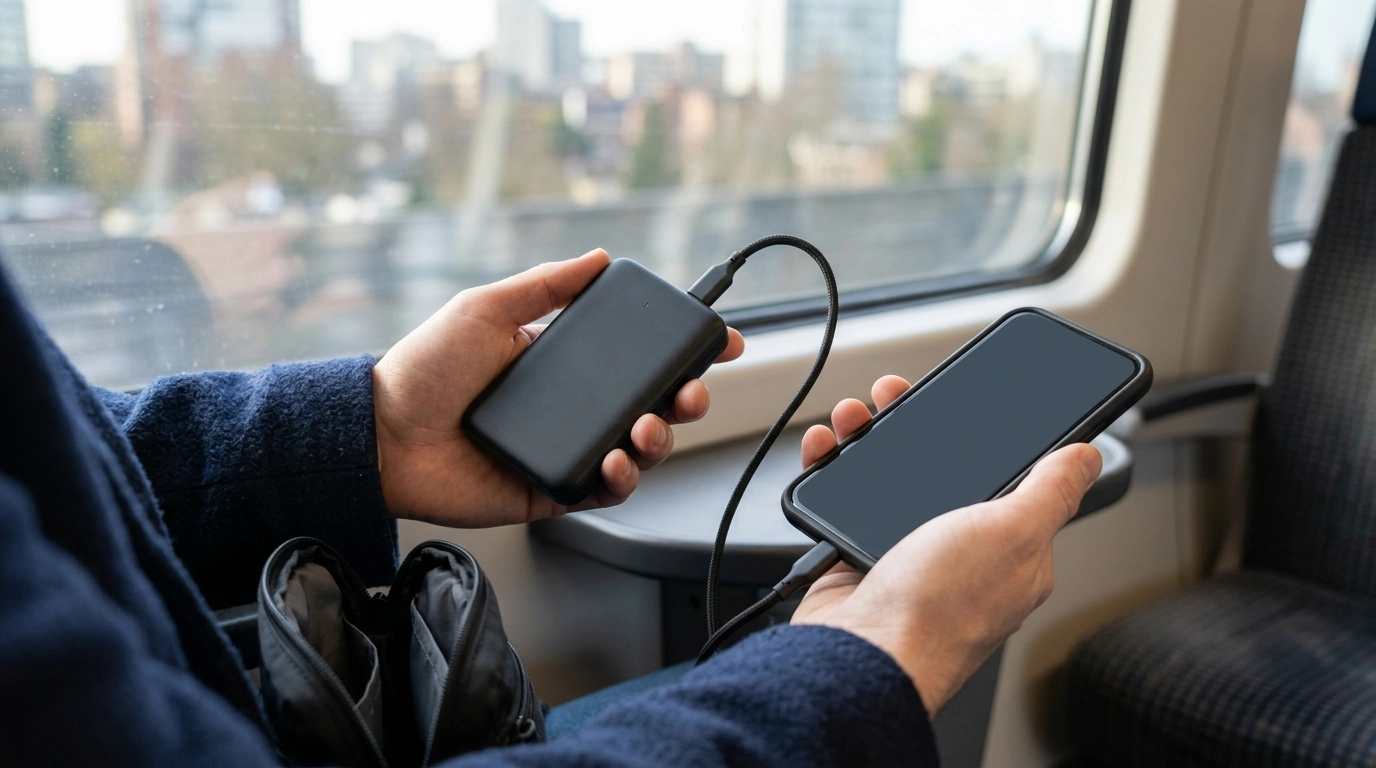
Compact Portable Power Bank: Everyday Backup Power That Fits Anywhere
Phone at 12% before a commute, a long day out, or a weekend trip can change the whole mood. A compact portable power bank is the easy fix—small enough to keep in a pocket or mini bag, ready to top up when outlets aren’t. Below, our team breaks down when a compact power bank makes the most sense, what to look for, how to use it safely, and how to build a simple “always-charged” routine with a backup you’ll actually carry.
Why a compact power bank earns a permanent spot in the bag
Compact power banks shine in real-life moments: rideshares running late, back-to-back classes, long workdays, concerts, errands, travel days, and even short power outages at home. When you can’t count on an outlet, having your own backup power keeps your day moving.
Size matters because it changes behavior. A huge battery sounds great, but if it stays on your desk, it doesn’t help when you’re out. A compact bank is far more likely to be used because it’s actually carryable—so you top up earlier instead of limping toward 0%.
That “top up earlier” habit can also be easier on your phone battery over time. Repeated deep drains aren’t ideal; small boosts throughout the day are often gentler than constantly hitting critical levels.
Quick fit check: compact power bank vs. other charging options
| Option | Best for | Trade-offs |
|---|---|---|
| Compact portable power bank | Daily carry, quick top-ups, commuting, light travel | Usually fewer full charges than large banks; depends on device battery size |
| High-capacity power bank | Multi-day trips, charging multiple devices, heavy use | Bulkier/heavier; less likely to be carried every day |
| Wall charger only | Home/office charging, overnight charging | Useless without an outlet when you need it most |
| Car charger | Drivers, road trips | Limited to time spent in a vehicle |
What to look for in a compact portable power bank
Start with capacity that matches your day. Many people don’t need a “brick”—they need one dependable top-up that prevents dead-phone stress. A smaller bank that you carry consistently beats a larger bank that you forget.
Next, check output and compatibility. Modern phones may negotiate faster charging only when the power bank supports compatible standards and provides adequate power. If you use USB-C devices, it’s worth understanding the basics of USB-C and USB Power Delivery from the USB-IF.
Ports matter more than they seem. If you’re a one-device person, a simple setup is perfect. If you regularly help a friend with a quick boost or you carry earbuds plus a phone, a second port can make life easier.
Safety essentials are non-negotiable for everyday carry: protection against overcharge, overcurrent, overheating, and short circuit. A compact power bank lives close to you—in pockets, purses, and totes—so safe design and sensible habits go together.
Finally, consider the practical details you’ll feel every day: clear battery indicators, a casing that holds up to being tossed in a bag, and a shape that fits how you pack (pockets, belt bag, tote, or a tech pouch).
Everyday charging routines that make a small power bank feel bigger
The easiest way to make a compact power bank “enough” is to keep it ready. Pick a schedule that matches your life: plug it in while you’re getting ready, during your workday, or overnight using a reputable wall charger. Consistency beats perfection.
If you use an iPhone, Apple’s general battery health guidance reinforces the same theme: avoid extreme heat and adopt calmer charging habits over time. You can read more from Apple Support.
Travel and commute tips (without the hassle)
For air travel, remember the basics: lithium power banks are typically required to stay in carry-on luggage (not checked bags), and there can be capacity limits. The most reliable source to confirm the current rules is the FAA PackSafe battery guidance, plus your airline’s specific policy.
Simple care and safety habits for longer life
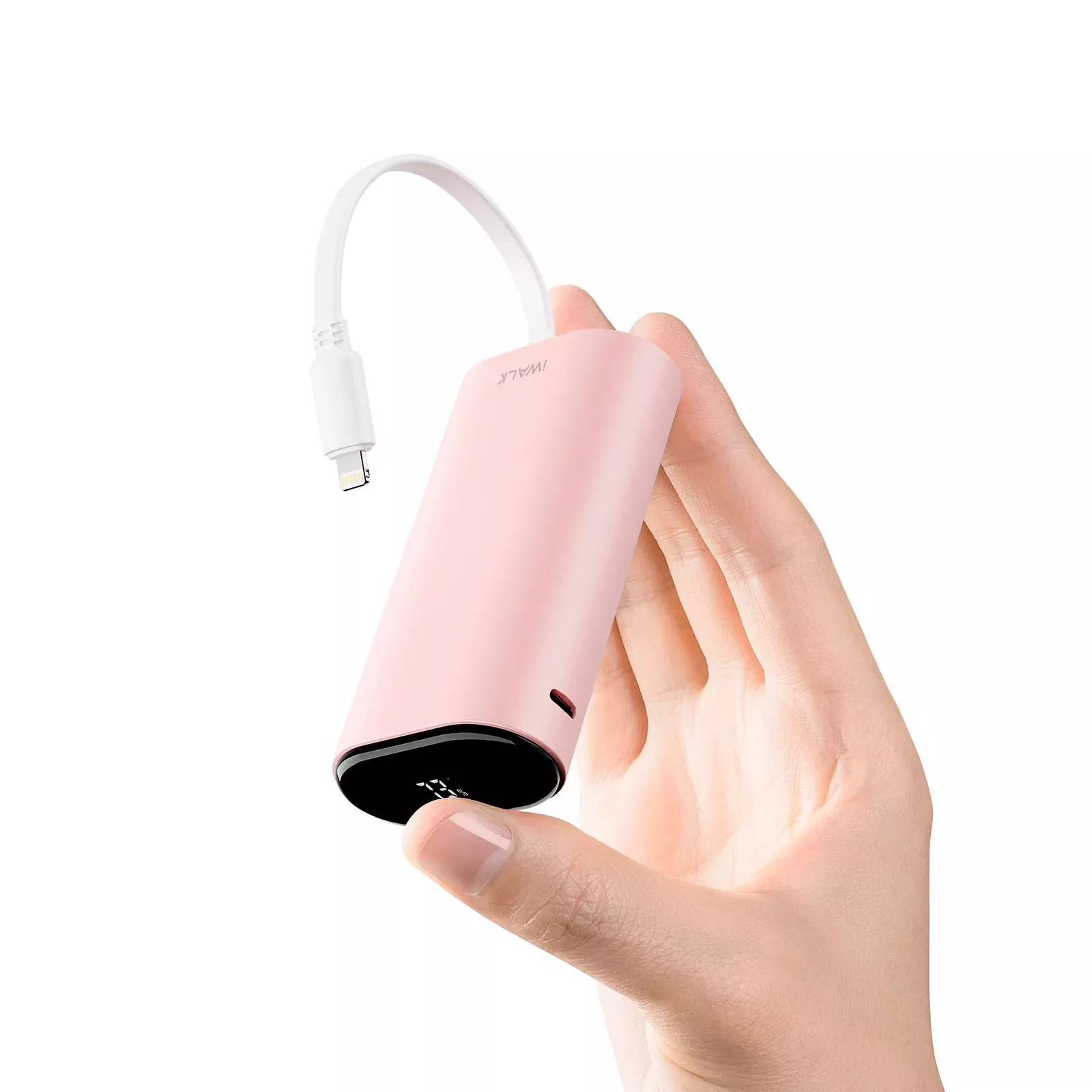
A clean, minimal pick: Compact Portable Power Bank (Luxjoy)
If you want straightforward everyday backup power without adding bulk, our Compact Portable Power Bank is designed for grab-and-go use. It’s a practical fit for commuters, students, travelers, and anyone who wants a reliable safety net for daily battery dips—especially if you’re trying to keep your daily carry minimal.
To make your routine even smoother, pair your pocketable power with items that support how you actually move through the day. For example, roomy pockets can make daily carry easier with Low Waist Cargo Pants, and if you’re traveling with a little one, packing a comfort essential like our Baby Bathing Pillow can reduce last-minute scrambles so your charging kit stays simple.
At-a-glance purchase details
| Item | Price | Availability | Link |
|---|---|---|---|
| Compact Portable Power Bank | 22.51 USD | In stock | View product |
FAQ
How many charges can a compact portable power bank provide?
It depends on the power bank’s capacity, your phone’s battery size, and real-world energy losses during conversion. Practically, many compact models are best thought of as providing one solid emergency top-up or a partial boost you can use to stay out of the low-battery zone.
Is it safe to keep a power bank in a pocket or purse every day?
Yes, as long as you avoid heat, keep it away from loose coins/keys near the ports, and use reputable cables and chargers. If you ever notice swelling, damage, leaking, or unusual heat, stop using it and replace it.
Can a power bank be taken on a plane?
Power banks are typically allowed in carry-on bags and restricted in checked luggage, but rules and capacity limits can vary. Check your airline and relevant aviation authority guidance before you fly to avoid surprises at security.













Leave a comment