

90W Peak 50W RMS Bluetooth Speaker: Power Explained
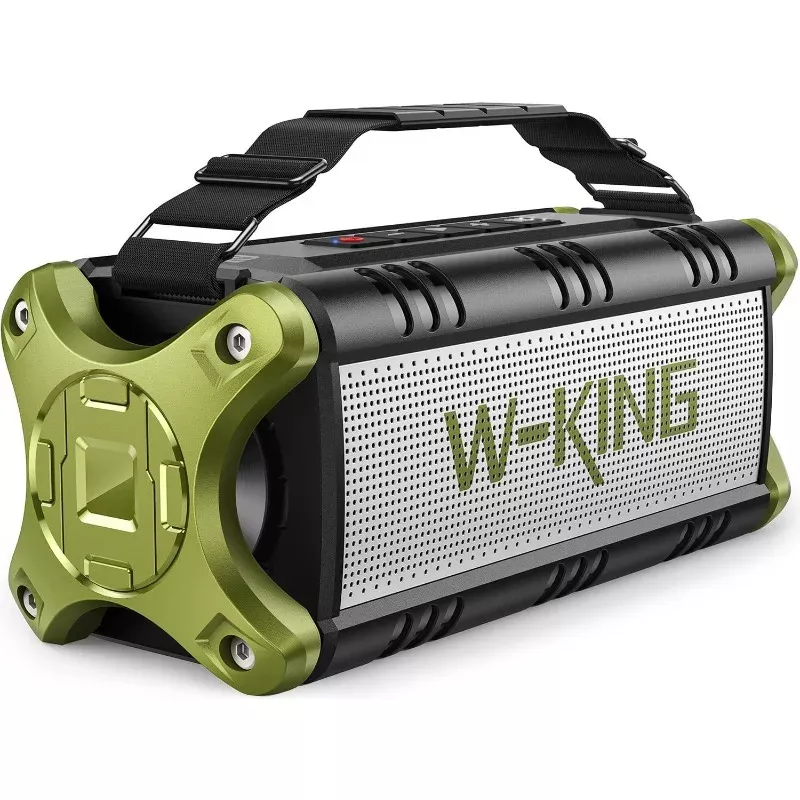
A Bluetooth speaker can make it easier to listen to music, podcasts, and other audio without a wired connection to your device. Our 90W Peak 50W RMS Bluetooth Speaker offers a straightforward wireless option, with two power figures worth understanding before you choose. For more guidance, see Equipment Loan: Speakers & Headphones – Pratt LibGuides.
Those numbers describe different aspects of the speaker’s advertised power rating. They can help you compare specifications, but they do not tell you everything about how loud a speaker will sound in your space. For further reading, see How Much Power Do You Really Need in a Car Audio System?.
Meet the 90W Peak 50W RMS Bluetooth Speaker
Our 90W Peak 50W RMS Bluetooth Speaker is listed at $70.01 USD and is in stock. Price and availability may change, so review the current product page when you are ready to shop.
The speaker’s advertised ratings are 90W peak and 50W RMS. Both are useful details to consider, but neither guarantees a particular volume level or sound quality. Your listening space and the way you position the speaker also play a part.
| Feature | Listed detail |
|---|---|
| Product | 90W Peak 50W RMS Bluetooth Speaker |
| Wireless connection | Bluetooth |
| Peak power | 90W |
| RMS power | 50W |
| Price | $70.01 USD |
| Availability | In stock |
What Do Peak and RMS Power Mean?
Peak power generally describes a maximum that a speaker can reach for a short duration. A 90W peak rating is not the same as a promise that the speaker will continuously operate at 90 watts throughout a listening session.
RMS is commonly used to describe a continuous power rating. In this case, the advertised figure is 50W RMS. Manufacturers may use different testing methods, so ratings are most useful as one part of a comparison rather than a complete description of performance.
The two figures are not outputs to add together. The speaker is advertised as 90W peak and 50W RMS, not as a 140W speaker. Each number provides a different way to describe power handling or output, depending on how the manufacturer specifies it.
Power is only part of the listening experience
Wattage alone does not determine perceived loudness. Speaker sensitivity, which describes how efficiently a speaker converts power into sound, matters too. A speaker with a higher wattage rating will not necessarily sound louder than another model in every situation.
Placement and surroundings also make a difference. A speaker in a small room may sound different from the same speaker in a larger, open space. Walls, furnishings, distance, and background noise can all affect what you hear. Sound quality depends on more than power as well, including the speaker’s design and the audio being played.
Connecting and Listening
To get started, turn on the speaker and put it into pairing mode according to its instructions. On your compatible phone, tablet, or other device, open the Bluetooth settings and look for the speaker in the list of available devices. Select it when it appears and follow any prompts to complete the connection.
Pairing procedures can vary, so use the speaker’s instructions for its specific steps. If it does not appear, make sure Bluetooth is enabled on your device and that the speaker is ready to pair. You can also consult the Bluetooth technology overview for more information about the wireless standard.
Once connected, start playback at a comfortable volume and adjust gradually. Your device and the speaker may have separate volume controls, so consider both if the sound is quieter or louder than expected.
If the connection becomes unreliable, move your device reasonably close to the speaker and reduce obstacles between them. Walls and other sources of interference can affect a wireless connection. Keeping your device nearby can also make it easier to pause playback or change what you are listening to.
Choosing a Speaker for Your Routine
Before deciding, consider where you plan to listen most often. A desk, kitchen counter, or shared living area offers different amounts of space, and your preferred listening position may influence where you place a speaker. Think about whether you want audio nearby for individual listening or positioned for a group.
Also consider the devices you want to connect and confirm that they support the Bluetooth connection you intend to use. If you regularly switch between devices, review the speaker’s pairing instructions so you know what to expect.
Other practical details may matter as much as the power ratings. If you need a speaker for use away from an outlet or near water, check the battery life, charging method, dimensions, and water-resistance information before purchasing. Do not assume a speaker is water-resistant unless its specifications say so.
Ready to compare the details? View the speaker’s product page for its current price and availability. If you are also shopping for clothing, our Low Waist Cargo Pants are another in-stock option to explore.
FAQ
What is the difference between 90W peak and 50W RMS?
Peak generally describes a short-duration maximum, while RMS is commonly used for a continuous power rating. The two figures are different measures and should not be added together.
Does higher wattage always mean a louder speaker?
No. Speaker sensitivity, placement, and the listening environment also affect perceived loudness.
How do I connect a device to a Bluetooth speaker?
Turn on the speaker, place it in pairing mode, and select it from the Bluetooth settings on your compatible device. Follow the speaker’s instructions for its specific pairing procedure.














Leave a comment