

Build a Monthly Money Routine with a Budgeting Toolkit

A money routine doesn’t have to be complicated to be useful. Setting aside a little time each month to look at what’s coming in, what’s going out, and what matters next can make your financial decisions feel more intentional. For more guidance, see OECD Journal on Budgeting, Volume 2023 Issue 1.
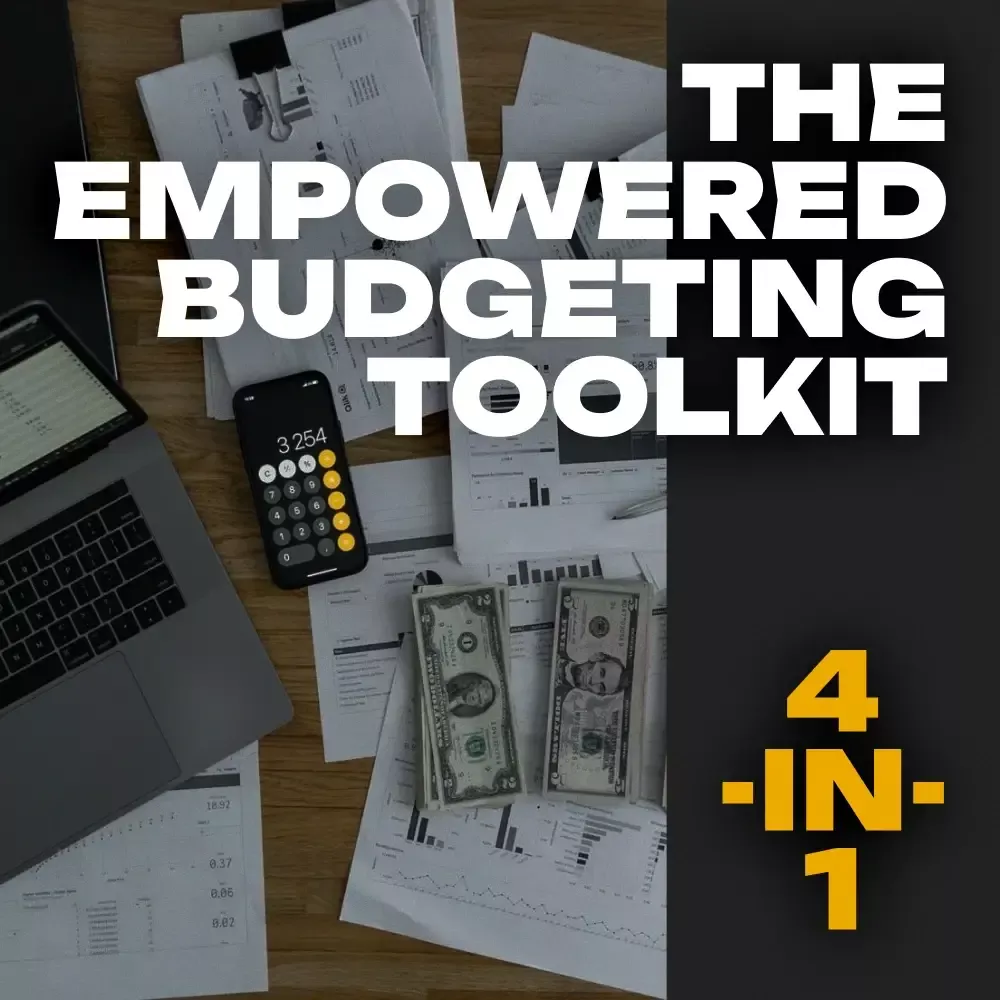
We offer The Empowered Budgeting Toolkit as a way to bring those conversations together. This 4-in-1 bundle combines a budget planner and Excel guide with a focus on monthly expenses, savings, wealth strategies, and guided affirmations. Use it to create a routine that reflects your circumstances—not someone else’s idea of a perfect budget. For further reading, see Explore NDI’s Free Financial Wellness Tools!.
A Toolkit for Your Monthly Money Check-In
The budget planner and Excel guide are starting points for organizing a monthly plan. Begin with the numbers you have, even if they aren’t complete. You can refine your estimates as you learn more about your spending patterns and upcoming needs.
The bundle also makes room to consider savings goals, longer-term wealth strategies, and your mindset around money. Together, those topics can help you look beyond a single bill or purchase and consider how your day-to-day choices connect with your priorities.
Our team sees the toolkit as a planning aid, not personalized financial advice. Your income, obligations, and goals are unique. For questions about investments, taxes, debt, or other decisions specific to your situation, consider speaking with a qualified professional.
Turn Your Budget into a Practical Routine
Before you set up your monthly plan, gather your recent pay information, account statements, bills, and receipts. Include income you reasonably expect to receive and expenses you know are coming. If your income varies, a conservative estimate can help you avoid relying on money that may not arrive.
Next, sort your expenses into a few useful groups. Essential expenses might include housing, utilities, groceries, transportation, and minimum debt payments. Flexible spending can include dining out, entertainment, and discretionary purchases. Savings goals deserve a place in the plan, too, even if the amount you can set aside changes from month to month.
These categories aren’t rigid rules. For example, clothing can be an immediate need or a flexible purchase depending on your circumstances. If you’re considering our autumn women’s coat, you might decide to include it in a future month’s clothing budget rather than make an unplanned purchase. The goal is to give each decision context.
| Step | What to review | Next action |
|---|---|---|
| Plan | Expected income and expenses | Set spending and savings priorities |
| Track | Actual expenses | Note differences from the plan |
| Adjust | Upcoming needs and goals | Update the next month’s budget |
At the end of the month, compare your actual spending with what you planned. If a category ran higher than expected, look for the reason without treating it as a failure. A seasonal utility bill, a forgotten subscription, or a change in transportation costs may simply mean your next plan needs a different estimate.
Keep the review manageable: identify one or two adjustments rather than trying to overhaul everything at once. The Consumer Financial Protection Bureau’s budgeting resources can also help you think through income, expenses, and spending decisions.
Make Space for Savings and a Confident Mindset
A savings goal is more useful when it fits your current life. You might start by setting aside a modest amount for an unexpected expense, an upcoming bill, or another priority. Choose an amount you can revisit regularly, and give yourself permission to change it when your circumstances change.
If a month is especially tight, you may need to focus on essential expenses first. In another month, you may have room to contribute more. The FDIC’s guidance on saving for the unexpected and your future offers additional ideas for thinking about savings over time.
The toolkit’s wealth strategies can serve as prompts for exploring longer-term priorities. Ask yourself what you want your money to support and what information you need before making a decision. A strategy is not a guarantee of returns, and a useful next step may simply be learning more or seeking professional guidance.
Guided affirmations are optional. If you find them encouraging, they can complement practical habits by giving you a moment to approach your finances with patience. They don’t replace reviewing your income, paying bills, or making a budget. Pair an affirmation with a concrete action, such as checking an account balance or scheduling your next monthly review.
Bring Your Money Goals Together
Our toolkit may appeal to you if you want a more structured way to plan expenses, consider savings, and return to your goals regularly. It can also be a starting point if you’ve tried budgeting before but want a routine that leaves room for reflection and adjustment.
The listed price is $111.99. Visit The Empowered Budgeting Toolkit product page for current availability and details. When you’re ready, choose one manageable first step: gather your bills, list your expected income, or put a monthly check-in on your calendar.
FAQ
Who is The Empowered Budgeting Toolkit for?
It is suited to people looking for a more structured way to plan expenses, consider savings goals, and build a regular money routine.
Does the toolkit include guidance for Excel?
Yes. The bundle includes an Excel guide alongside its budget planner.
Can affirmations replace a budget?
No. Affirmations can support a positive money mindset, while a budget helps organize actual income, expenses, and savings priorities.














Leave a comment