

Stainless Steel Sand Scoop for Beach Treasure Hunting
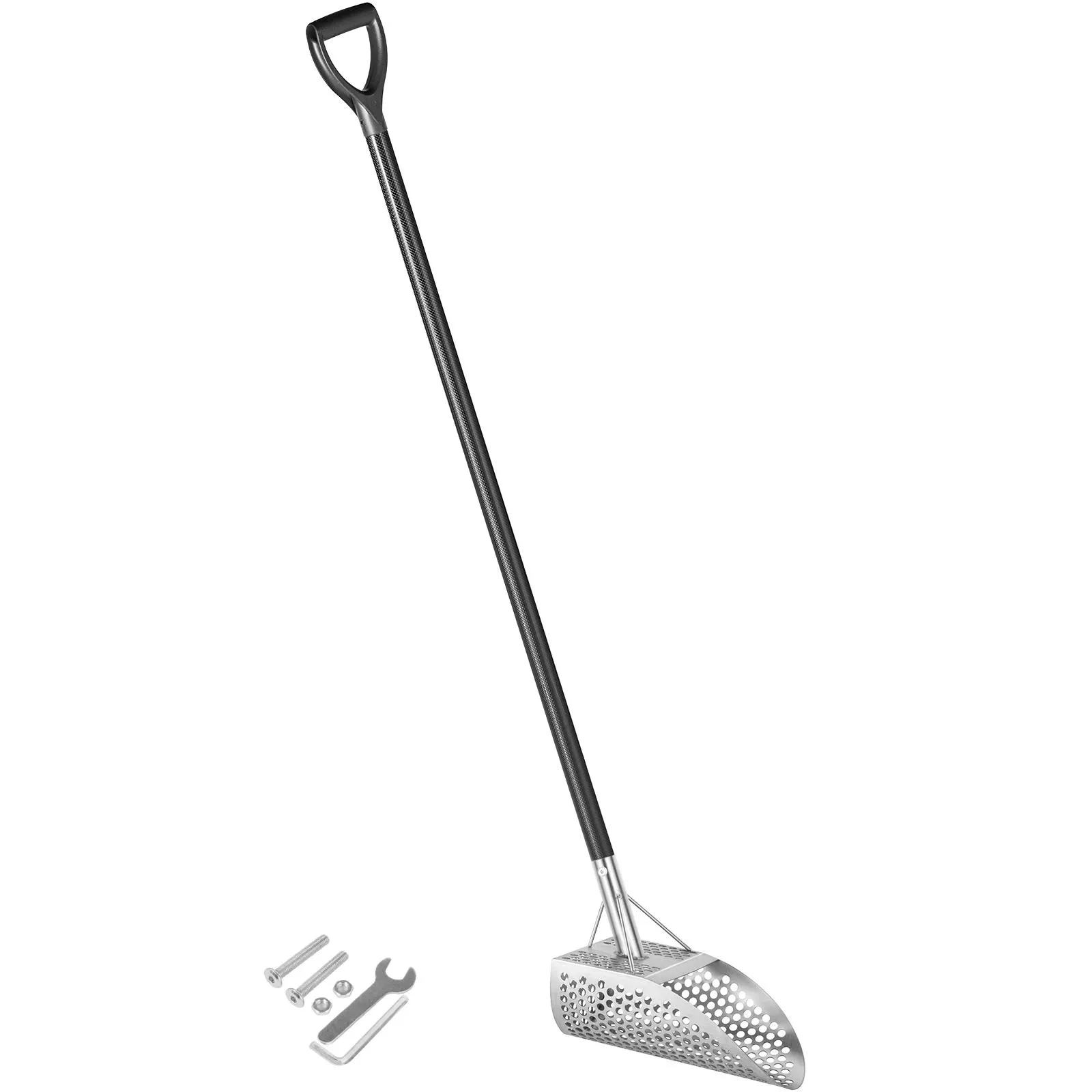
A promising signal in the sand is only the beginning of a beach hunt. Once your detector points you toward a target, you need a practical way to lift the surrounding sand and see what you have found. Our stainless steel sand scoop is made for that part of the process, whether you’re searching along the shore or working underwater.
A Practical Tool for Finding Targets in Sand
Sand can hide a small target even after you’ve narrowed down its location. A scoop lets you lift material from the target area and sift away loose sand, leaving you with a smaller amount to inspect. Instead of searching through a pile by hand, you can work through the recovery one scoop at a time.
Our stainless steel metal detector sand scoop is intended for beach and underwater treasure hunting. It gives you a straightforward tool to pair with your detector when you’re searching dry sand, the waterline, or a permitted shallow-water area. Visit the product page for the current price and availability.
Before you head out, consider where you plan to search and how you’ll carry your equipment. A comfortable setup leaves your hands free to manage your detector, scoop, and recovered finds without rushing through the job.
From Detector Signal to Recovered Find
Start by sweeping over the signal from more than one direction to narrow down its position. Once you have a good idea of where the target lies, lift some sand from that spot. Sift out the loose material and look carefully through what remains; small objects can be easy to overlook among shells and debris.
If the first scoop doesn’t reveal the target, use your detector to check the hole and the displaced sand. The target may still be in the ground, or it may have moved with the sand you lifted. Repeat the process until you find it or decide to move on.
| Step | What to do |
|---|---|
| Pinpoint | Use the detector to narrow down the signal. |
| Scoop | Lift sand from the target area. |
| Sift | Let loose sand pass through and inspect what remains. |
| Finish | Recheck the area, fill the hole, and take litter away. |
Even an unpromising signal can turn out to be a piece of litter. Carry a small bag or container for trash and sharp objects so you can remove them safely. Fill each hole before leaving the spot, and smooth the surface so it doesn’t create an obstacle for other beachgoers.
Using Your Scoop at the Shore and in the Water
On dry sand, take a controlled scoop around the pinpointed signal and sift the material where you can see it clearly. Keep the displaced sand close enough to recheck, but separate from the unsearched area. That makes it easier to tell whether you’ve lifted the target.
Wet sand can pack together, so you may need to work through it in smaller amounts. At the waterline, pay attention to incoming waves: they can shift loose sand and change the hole while you’re checking your scoop. Pause when necessary rather than turning your back on the water.
In shallow water, use the same pinpoint, scoop, and sift routine while keeping secure footing. Water movement and reduced visibility can make it harder to track a target, so choose conditions you can manage safely. Watch waves and currents, and leave the water if conditions become unsafe. The National Weather Service’s rip current safety guidance is a useful resource before a coastal trip.
Rules for detecting and collecting finds vary by location. Check local regulations and obtain permission where required before you start. For an overview of restrictions on federal parkland, see the National Park Service’s metal detecting information.
Looking After a Stainless Steel Scoop
After a beach trip, rinse off sand and salt water, including any material caught in the scoop. Dry it before putting it away so it’s ready for your next outing. A quick rinse also helps keep loose sand out of your storage area and other equipment.
Before each hunt, check the scoop for damage that could affect how you use it. Pay attention to any sharp or damaged areas, and avoid using equipment that cannot be handled safely. Store your scoop where it won’t be knocked around between trips.
Ready for Your Next Beach Hunt?
A detector helps you find a signal; a scoop helps you work through the sand around it. Our team recommends keeping the routine simple: pinpoint, lift, sift, and recheck, then leave the beach tidy. Explore the scoop’s product page for purchase details before your next hunt.
If you’re also putting together a casual outfit for a shore trip, you can explore our Low Waist Cargo Pants. Choose clothing that suits the weather and conditions you expect, and bring a change if you plan to get wet.
FAQ
Can this sand scoop be used underwater?
Yes. The scoop is intended for beach and underwater treasure hunting. Follow local rules and water-safety guidance.
How do I clean the scoop after a beach trip?
Rinse away sand and salt water, then dry the scoop before storing it.
What should I do after recovering a target?
Recheck the area, fill the hole, and take any litter with you.












Leave a comment