

Amphibious 3-Channel RC Plane: A Guide to Flying
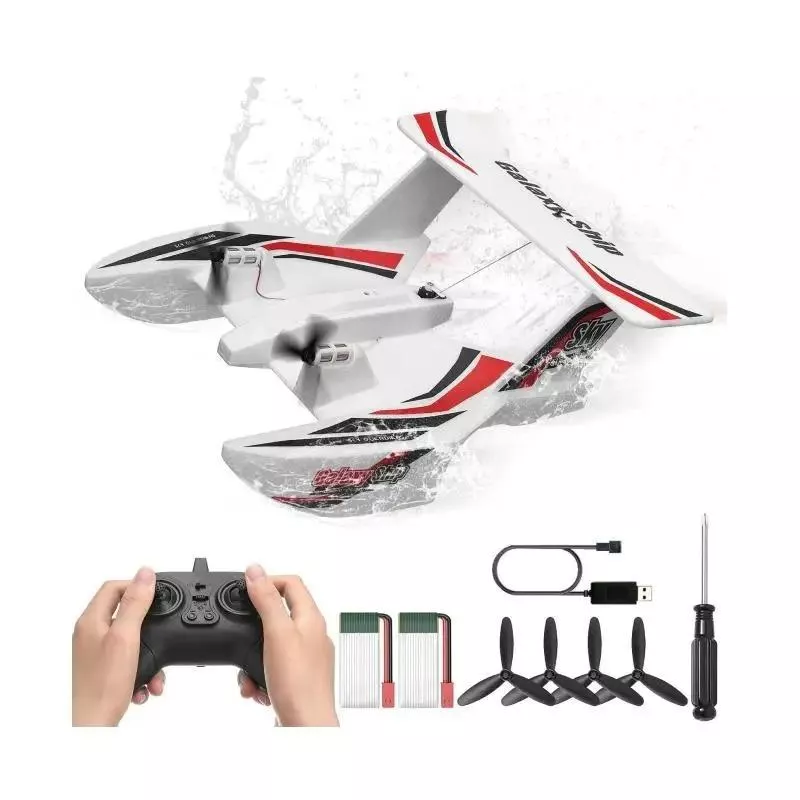
An RC plane can turn an open stretch of outdoor space into a place to practice, explore, and enjoy a little time away from your usual routine. Our Amphibious 3-Channel RC Plane adds another dimension to the experience with an amphibious design and three-channel configuration.
Before you head out, take a few minutes to plan where you’ll fly and how you’ll handle a landing. A thoughtful first session gives you room to get familiar with the controls and makes it easier to focus on enjoying your time outdoors.
Meet the Amphibious 3-Channel RC Plane
Our Amphibious 3-Channel RC Plane is an in-stock option for remote-controlled flying. Its amphibious design opens up the possibility of water use, while its three-channel configuration gives you three control channels to learn. The functions assigned to those channels should be confirmed in the supplied instructions.
The plane is listed at $40.82, though the price is subject to change. Whether you’re planning a first flight or looking for a different setting for your next outing, start by reviewing the instructions and choosing conditions supported by the manufacturer.
Plan Your Flying Session
Give yourself plenty of space. Look for an open area away from people, traffic, buildings, trees, power lines, and other obstacles. You’ll want enough clear room to maneuver and to bring the plane down without approaching anyone else.
Check local flying rules before you go. If you’re flying in the United States, the FAA’s guidance for recreational flyers is a useful starting point for understanding applicable requirements. Local restrictions and rules for your chosen location may also apply.
If you plan to use the plane near or on water, first confirm the supported conditions in its instructions. Choose a location where you can safely retrieve it without entering hazardous water or relying on someone else to reach it. Consider the shoreline, water movement, and other people using the area before deciding whether it’s a suitable spot.
For a casual day outdoors, you can also browse our in-stock Low Waist Cargo Pants. Choose clothing that suits the weather and lets you move comfortably while setting up and retrieving your plane.
A Simple Preflight Checklist
A short check before each session can help you spot problems before the plane leaves your hands. Inspect the plane and controller as directed in the supplied instructions, and make sure the batteries are ready for use. Confirm that the controls respond as the manufacturer describes before attempting to fly.
Weather matters, too. Choose conditions supported by the instructions, and make sure visibility is good enough to keep a clear view of the plane. If the wind, rain, or fading daylight makes you uncertain about the session, save the flight for a better time.
| Check | What to do |
|---|---|
| Flying area | Look for open space and keep clear of people and obstacles. |
| Plane and controller | Inspect both and check controls according to the instructions. |
| Conditions | Choose suitable weather and maintain a clear view of the plane. |
| Water use | Confirm the manufacturer’s guidance and plan a safe retrieval route. |
Take another look around just before you begin. A clear area can change quickly if people, pets, or vehicles arrive, so be prepared to pause or move your session elsewhere.
Getting Comfortable With the Controls
Three-channel means the plane has three control channels; it doesn’t, by itself, tell you which function is assigned to each one. Read the control instructions before your first flight and identify how the manufacturer directs you to operate the controller.
Once you’ve completed your checks, start with gentle inputs and give yourself room to learn how the plane responds. Avoid crowding the edges of your flying area while you’re becoming familiar with it. Keeping the plane in sight helps you judge its position and notice when it’s time to bring it back toward a clear landing area.
Follow the applicable recreational flying rules throughout your session. If the plane becomes difficult to see or the space is no longer clear, stop and reassess rather than continuing in uncertain conditions. You can always take a break and try again when you have a better view and enough room.
After Your Flight
When you’re finished, switch off the plane and controller in the order directed by the manufacturer. Inspect the plane before putting it away, paying attention to any damage or loose parts that might need attention before another outing.
After any approved water use, follow the supplied instructions for drying and care. Store the plane and controller as directed, and take a moment to note anything you want to check before the next session. That simple routine helps you start your next outing with a clear plan.
FAQ
What does three-channel mean on an RC plane?
It means the plane has three control channels. Check the product instructions to learn the function assigned to each channel.
Can the Amphibious 3-Channel RC Plane be used on water?
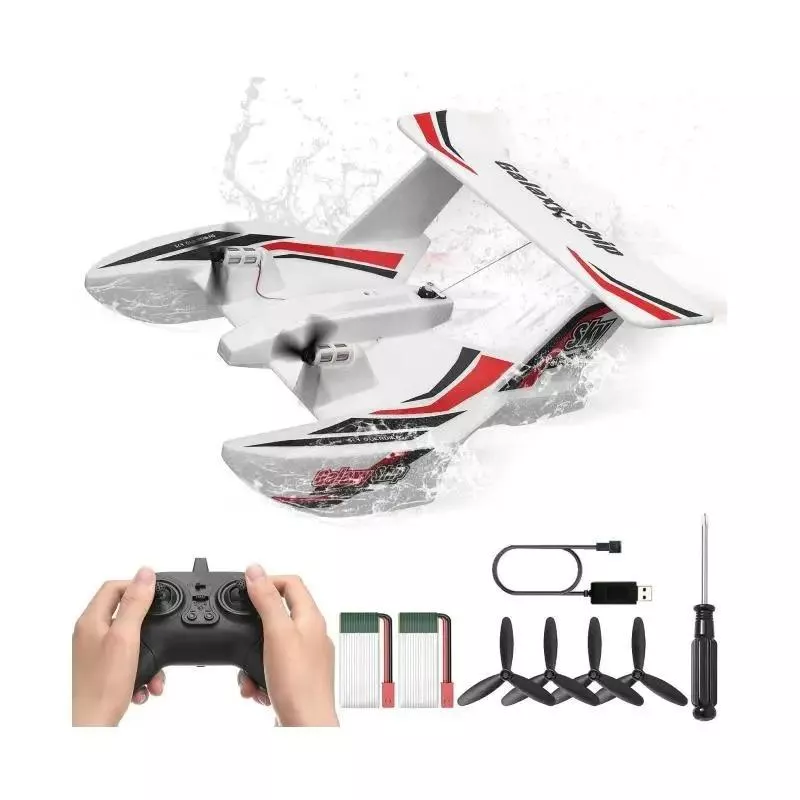
The plane is described as amphibious. Consult its instructions for supported water-use conditions and operating guidance.
Where should I fly an RC plane?
Choose an open area away from people, traffic, and obstacles. Check local rules and applicable aviation authority guidance before flying.














Leave a comment