

Do LED Face Shields Really Work? Benefits, Limits, Tips
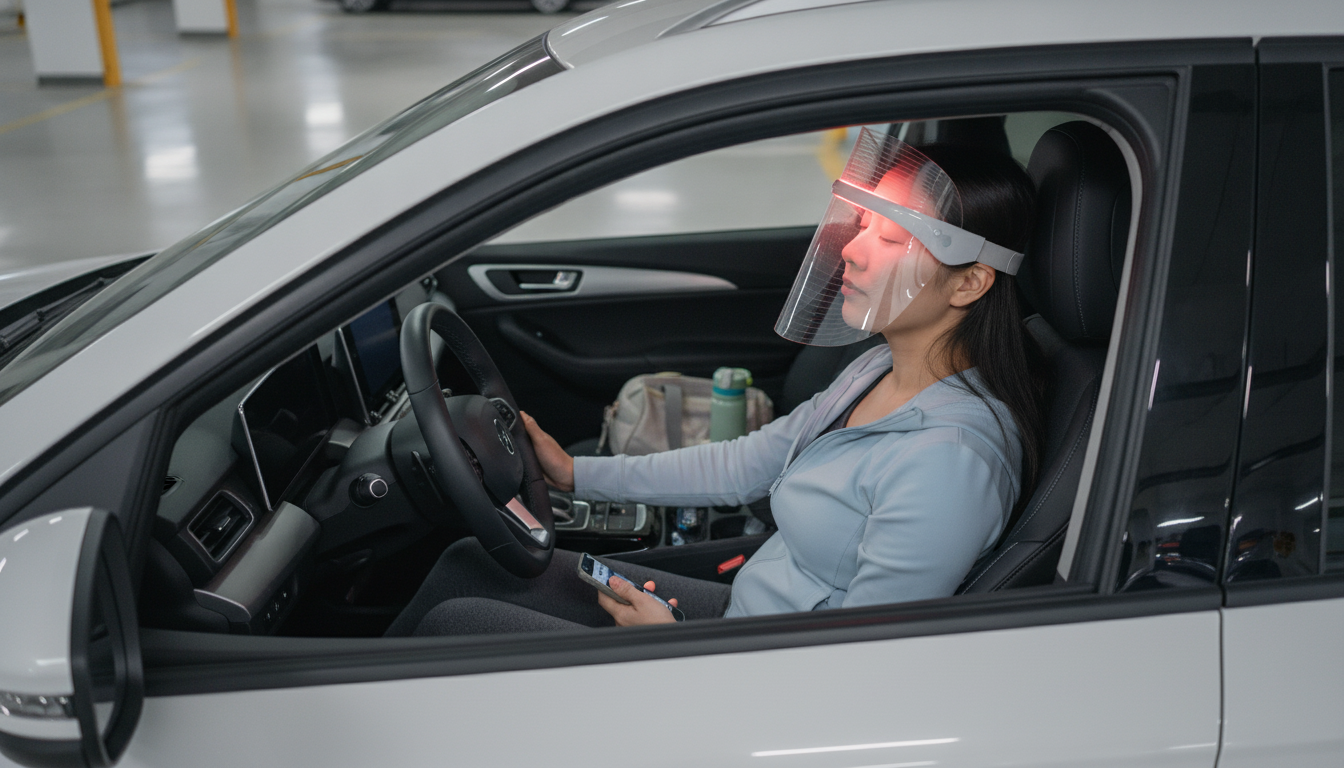
Do LED face shields work?
LED face shields can work, but the results depend on the type of light, the device’s power, how consistently it’s used, and what skin concern is being targeted. In general, red and near-infrared light are commonly used to support collagen and calm visible redness, while blue light is often used to help with acne-causing bacteria on the skin’s surface. A shield-style device can be effective because it holds the lights at a fixed distance and covers a broad area evenly.
What “working” looks like with an LED shield
Most people who benefit notice gradual changes—not overnight transformations. With regular use, improvements may include a more even-looking tone, fewer inflammatory breakouts (with blue light routines), and a smoother, firmer appearance over time (with red/near-infrared routines). Consistency matters more than long sessions; short, repeated treatments are typically what product protocols are built around.
When LED shields fall short
Not all LED face shields are created equal. If the device doesn’t deliver enough irradiance (usable light intensity) or uses vague wavelengths, results can be minimal. Another common issue is using it too sporadically to see cumulative benefits. LED therapy also won’t replace treatments for deeper pigmentation, significant laxity, or cystic acne that needs medical care.
How to use one safely and get better results
Start with clean, dry skin and follow the device’s timing guidelines. Use eye protection if recommended, especially with blue light. Avoid using LED on irritated, freshly peeled, or sunburned skin. If taking medications that increase photosensitivity or if there’s a history of light-triggered conditions, check with a clinician first.
For a practical at-home routine and details on how LED masks and shields are typically used, see the full guide here: https://luxjoy.shop/guide-led-shield-mask-at-home-light-therapy-guide/.
FAQ
How often should you use an LED face mask or shield?
Most routines use LED several times per week, and some devices are designed for daily use. Follow your specific device instructions and stay consistent for a few weeks before judging results.











Leave a comment