
Tommy Hilfiger Shoulder Strap Handbag: What to Check
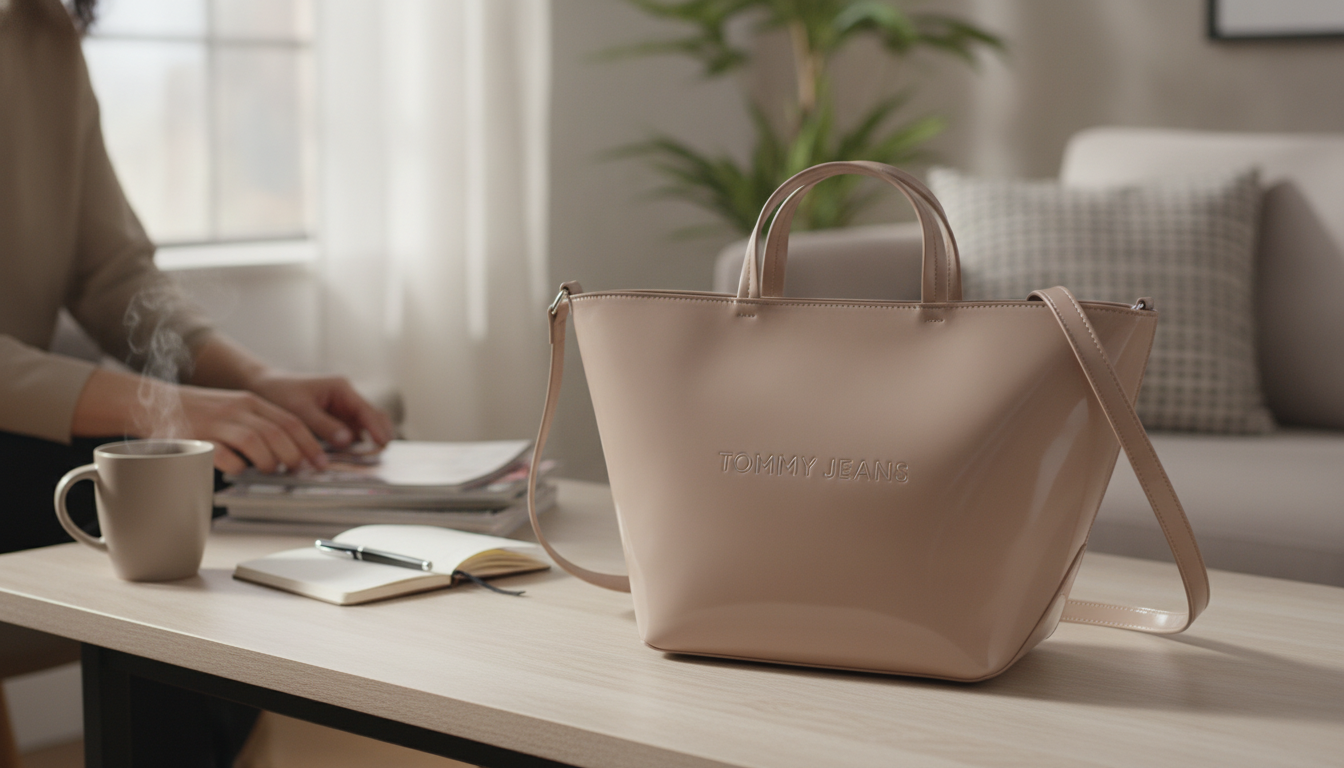
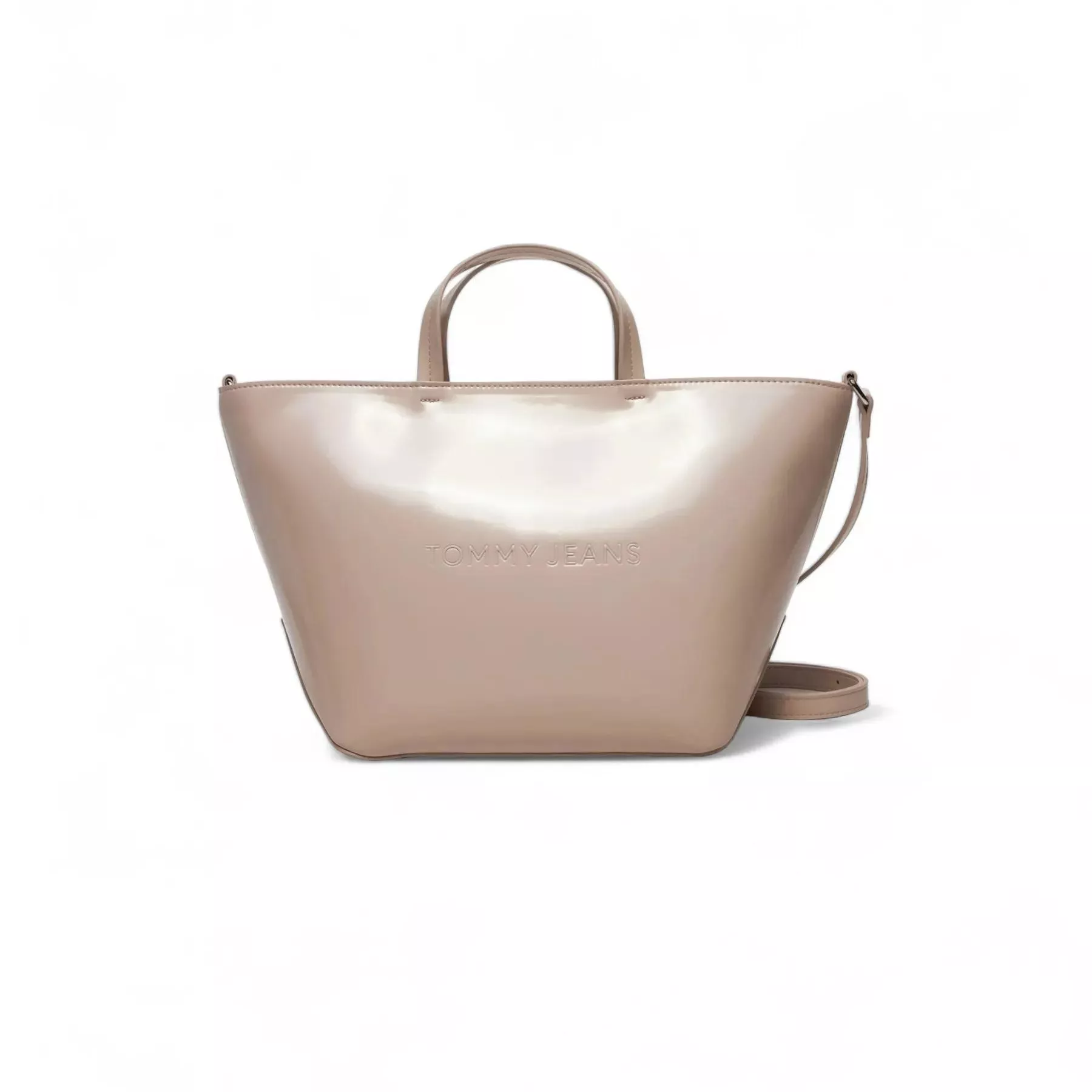
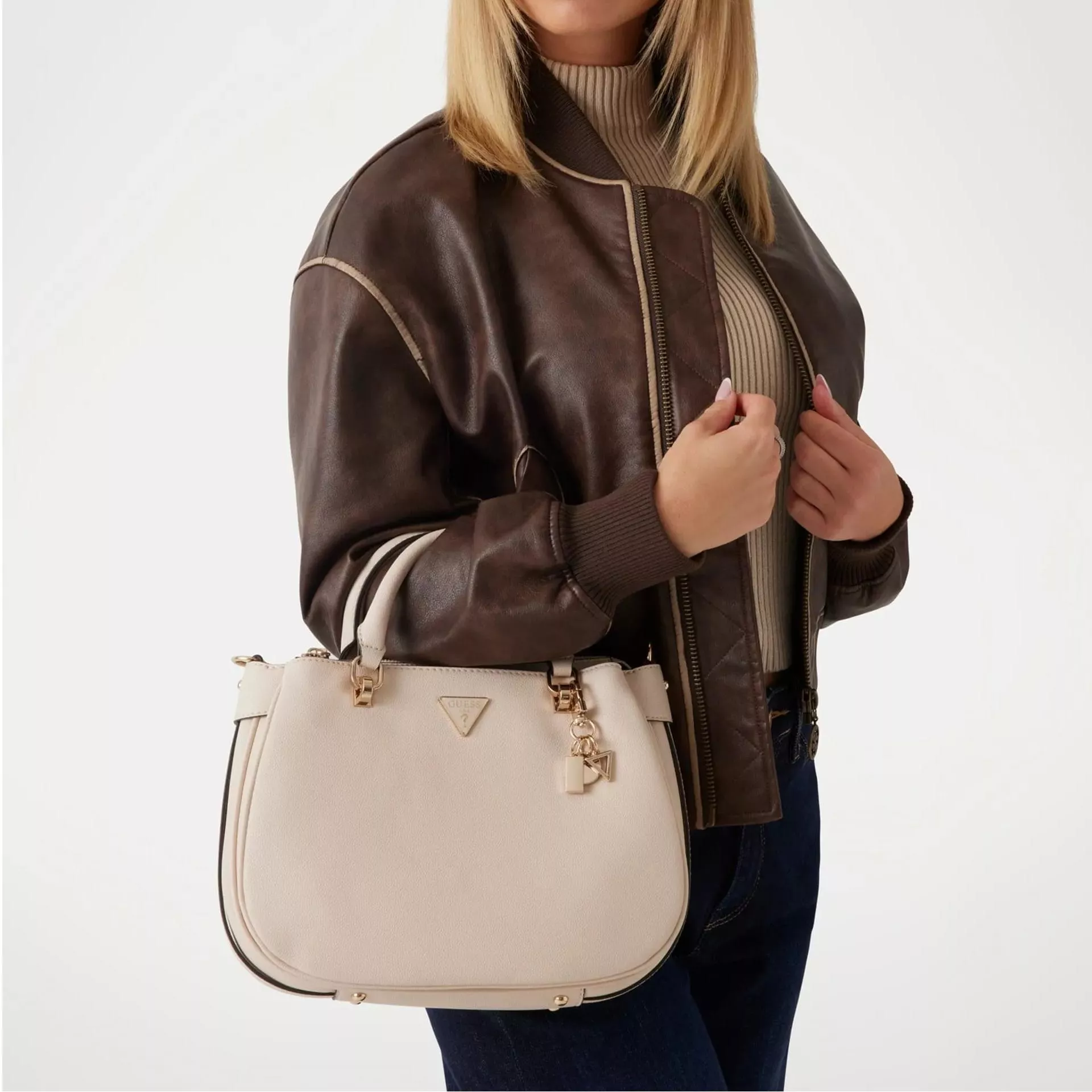
Tommy Hilfiger Women’s Handbag with Shoulder Strap: A Practical Style Guide
A structured handbag with a shoulder strap is built for busy days: hands-free carry, quick access to essentials, and a polished look that works from errands to evenings out. This guide covers what to look for in this style, how to assess materials and comfort, and how to keep a handbag looking its best over time.
What This Style Typically Offers
- Hands-free carry: A shoulder strap can reduce wrist strain compared with handheld-only bags and keeps belongings close in crowded spaces.
- Balanced structure: Many Tommy Hilfiger handbags in this category aim for a clean silhouette that holds its shape while staying practical for daily use.
- Everyday organization: Interior compartments and secure closures help separate phone, keys, wallet, cosmetics, and sunglasses so you’re not digging for essentials.
- Versatile wear: The strap often works for shoulder carry and, depending on length, may also suit crossbody wear for commuting or travel.
At-a-Glance Details to Confirm Before Buying
A structured shoulder-strap handbag can look similar from a distance, but comfort and durability usually come down to a few quick checks. If you can review measurements and close-up photos (or handle the bag in person), these details help you avoid common frustrations like a strap that’s too short over a coat or a closure that feels fussy during errands.
- Strap length and adjustability: Confirm the strap drop works with coats and layering, and check whether the strap is adjustable or fixed.
- Carry options: Some designs include both a top handle and a detachable shoulder strap for easy switching.
- Closure type: Zippers offer strong security; magnetic snaps are faster; turn-locks can be secure but add steps.
- Interior layout: Look for at least one zip pocket for valuables and slip pockets for quick-grab items.
- Hardware and stitching: A smooth zipper track, even stitching, and firmly attached strap anchors are good signs of durability.
Quick checklist for a shoulder-strap handbag
| Feature to check | Why it matters | What to look for |
|---|---|---|
| Strap adjustability | Comfort and fit for different heights and outfits | Multiple holes/slider; stable buckle; no twisting under load |
| Strap width | Shoulder comfort when carrying more | Wider strap or reinforced section; edges that don’t dig in |
| Closure security | Protection in transit and crowded areas | Full zipper or secure flap; smooth open/close |
| Pocket layout | Faster access and less clutter | Zip pocket for valuables; dedicated phone slip; key clip if available |
| Base and feet | Helps bag keep shape and stay clean | Reinforced base; protective feet on structured styles |
Materials and Finish: What to Look For
Tommy Hilfiger women’s handbags often come in coated materials, faux leather, or combinations with leather trims. A great-looking finish should also hold up to real life: car seats, restaurant tables, and the occasional bump on a door frame.
- Coated canvas and faux leather: Often chosen for wipe-clean convenience and resistance to light rain; check edge paint quality along seams for cracking or unevenness.
- Leather trims: If present, look for consistent grain and tidy finishing at corners where wear shows first.
- Lining fabric: A sturdier lining helps pockets keep their shape; lighter colors can make items easier to spot.
- Hardware finish: Plated hardware should feel smooth without sharp edges; if you can, test zipper pull resistance and make sure it doesn’t snag.
For clarity on labeling terms such as “genuine leather,” “bonded leather,” or “imitation leather,” the Federal Trade Commission’s guide for Leather and Imitation Leather Products is a helpful reference.
Comfort and Fit: Strap, Weight, and Daily Use
Comfort is a mix of strap design, bag weight, and how the load sits on your body. A structured bag can feel sleek, but structure also means it may feel heavier once packed—especially if you carry a charger, water bottle, or sunglasses case.
- Start with your daily carry: Phone, wallet, keys, sanitizer, earbuds, sunglasses, a small makeup pouch, and a compact charger are common. Make sure the interior layout supports how you actually reach for items.
- Aim for stable strap anchors: Connection points should sit flat and not tilt inward when the bag is set down or worn.
- Check how it sits on the body: The bag should stay close without swinging; crossbody-friendly straps typically reduce sway when walking.
- Consider weight distribution: A slightly wider strap can improve comfort over time, especially when the bag is loaded and worn for longer stretches.
General carry-comfort guidance (even though it’s often discussed for backpacks) supports the same principle for handbags: avoid consistently carrying excessive weight on one side. The American Academy of Orthopaedic Surgeons (AAOS) backpack safety guidance outlines useful load and comfort concepts that can translate to everyday carry habits.
How to Choose: Work, Weekends, and Travel
Care and Longevity Tips
For deeper care guidance—especially for leather components—resources from the American Leather Chemists Association (ALCA) can help you understand safe cleaning and conditioning basics.
When a Shoulder-Strap Handbag Makes the Most Sense
FAQ
Can the shoulder strap be worn crossbody?
It depends on strap length and adjustability. For comfortable crossbody wear, the bag should sit around the hip area without pulling at your shoulder or riding up when you walk; adjustable straps make this easier to fine-tune.
How can a structured handbag keep its shape over time?
Avoid overstuffing, store it upright with gentle stuffing, and balance heavier items so one side isn’t constantly pulled down. Rotating use (instead of carrying the same bag daily) also helps reduce wear in high-stress areas like corners and strap anchors.
What’s the most secure closure for everyday use?
A full zipper is typically the most secure option for commuting and travel because it fully closes the main compartment. Magnetic snaps are faster for quick access, while flap or turn-lock styles can be secure but may take longer to open and close.










Leave a comment