

12-Cup Coffee Maker: Auto Pause + Glass Carafe Guide
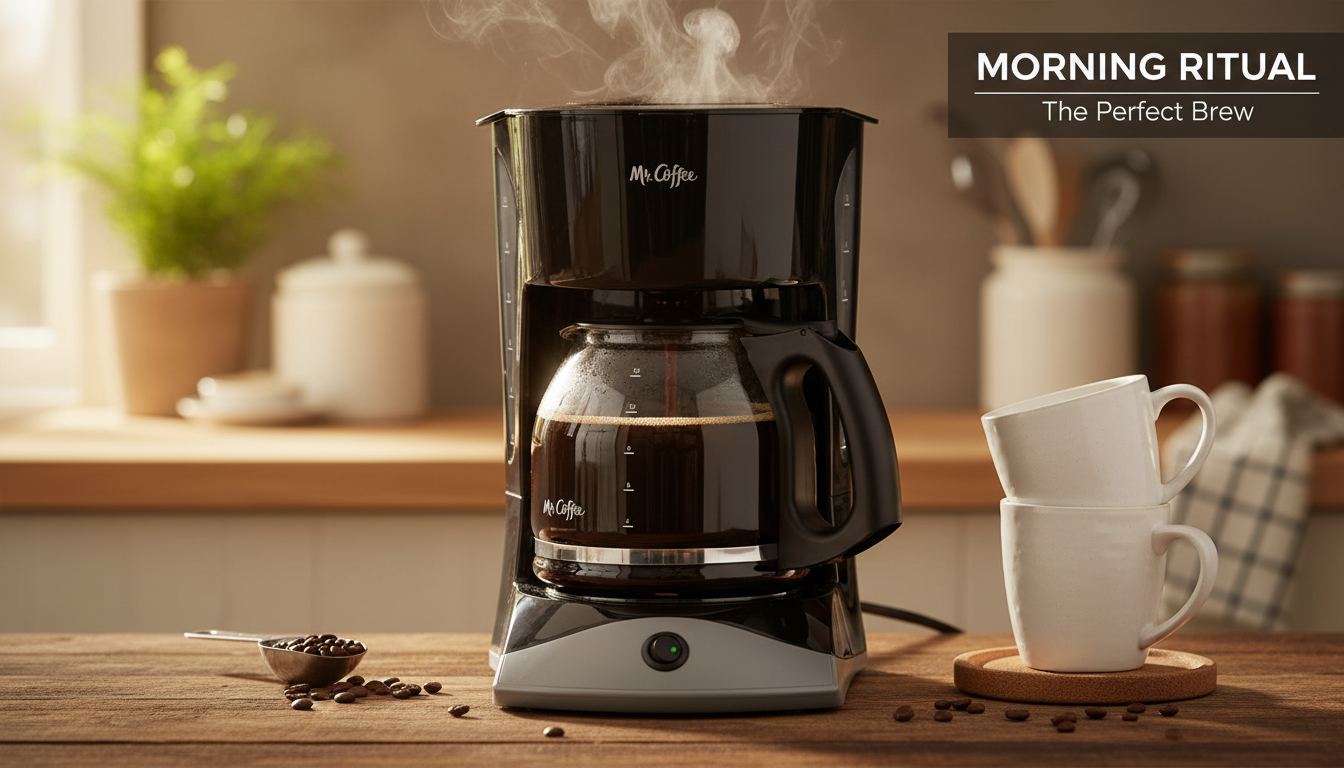
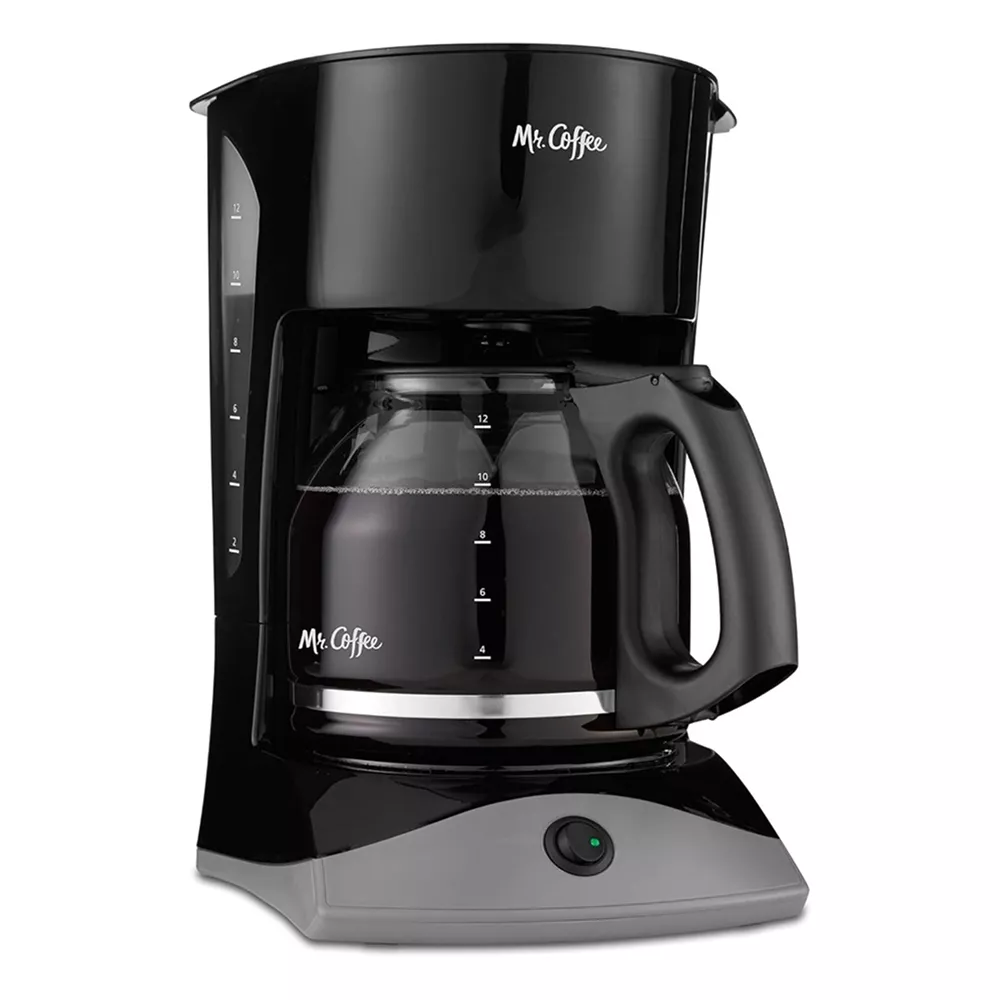
A 12-cup machine with an auto-pause feature and a glass carafe is built for busy mornings: start brewing, pour a quick cup mid-cycle, and serve a full pot when it’s done. The right setup comes down to matching capacity, brew control, carafe style, and day-to-day cleanup with how coffee is actually made and served at home.
What “auto pause” changes during brewing
Auto pause (often called pause-and-serve) briefly stops the flow of coffee when the carafe is removed, letting you grab a cup before the brew cycle finishes. It’s a small feature that can make a big difference when multiple people are moving through the kitchen at once.
- Auto pause is designed for a quick pour—returning the carafe promptly helps keep extraction consistent and reduces the chance of coffee backing up in the brew area.
- Long pauses can shift flavor and strength because the grounds continue to drip and steep; on some machines, waiting too long can increase the risk of overflow.
- A stable carafe base and a pause valve that re-seats cleanly help prevent the “mystery puddle” on the warming plate after you slide the carafe back in.
- For households that pour a cup while getting ready, auto pause reduces the temptation to interrupt brewing in messier ways (like removing the filter basket mid-cycle).
Auto pause: practical expectations
| Use case | What works well | What to watch for |
|---|---|---|
| Pouring a cup mid-brew | Convenient, reduces waiting | Return carafe promptly to avoid overflow |
| Brewing for guests | Keeps serving simple with a single carafe | Early pours may taste slightly lighter than the final pot |
| Small kitchen cleanup | Less spilled coffee on warming plate | Drips can still happen if valve or carafe lip is misaligned |
Glass carafe vs. thermal carafe: serving, heat, and flavor
Glass carafes usually rely on a warming plate, which is convenient when coffee is served over a longer window. That said, continuous heat can slowly change flavor—especially if a pot sits for an hour or more.
- For better taste over time, use a lower keep-warm setting when available, or plan to transfer coffee to an insulated server after brewing.
- Glass makes it easy to see the fill level at a glance and is straightforward to wash, but it’s more vulnerable to cracks if bumped or exposed to sudden temperature changes.
- Comfort details matter: a secure lid fit, an easy-grip handle, and a drip-resistant spout help reduce spills during refills.
If coffee tends to be poured quickly and finished soon after brewing, a glass carafe can be an excellent match. If coffee routinely sits for long stretches, a thermal setup often holds flavor longer because it retains heat without additional cooking on a plate.
Capacity and pace: making a 12-cup machine fit daily routines
A 12-cup format is a sweet spot for households, office corners, and entertaining—especially when several people want coffee within a tight morning window. The key is making sure the machine performs as well for your everyday batch as it does for a full pot.
- For smaller brews, confirm the machine is designed to brew evenly at partial fill; some brewers taste best when run at mid-to-full capacity.
- Brew pace matters when the kitchen gets crowded. Faster cycles reduce bottlenecks, but stable temperature and steady flow are what usually improve flavor.
- Plan placement so the carafe slides in and out smoothly. Auto pause only feels “automatic” when there’s enough clearance to remove and return the carafe without bumping the brewer.
How to choose the right machine for espresso-style strength (without confusion)
Many “espresso” labels in the drip-style category are really pointing to stronger, more concentrated coffee—not true café-style espresso with crema produced by a pump-driven system.
- If espresso-style strength is the goal, prioritize temperature stability, even saturation of the grounds, and repeatable ratios rather than marketing terms.
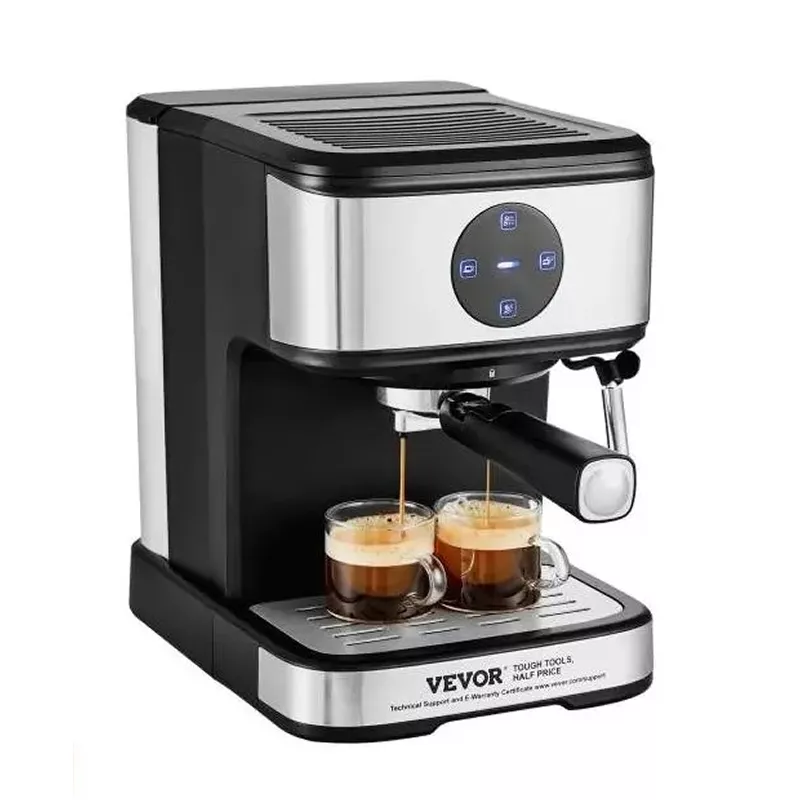
- If authentic espresso is required, look for a 9-bar pump system and a portafilter. Without that setup, the result can be strong and bold, but it won’t be the same beverage.
- Filter choice affects body: reusable mesh filters can produce a fuller mouthfeel, while paper filters often taste cleaner and can simplify daily cleanup.
For deeper brewing fundamentals and best practices, the Specialty Coffee Association (SCA) — Brewing resources is a helpful reference point.
How to Choose
When you’re comparing 12-cup espresso-style coffee makers with auto pause and a glass carafe, focus on a few practical checkpoints that show up every single day.
For basic kitchen safety and guidance around materials used in food-contact items, the U.S. FDA — Food contact materials and basic kitchen safety information is a solid source.
Convenience and cleanup features that matter every day
Getting better coffee from a glass-carafe brewer
Safety, maintenance, and longevity
FAQ
How long can the carafe be removed with auto pause?
It’s intended for a quick pour, so returning the carafe promptly helps prevent overflow and keeps extraction more consistent. Exact timing varies by model, but shorter pauses generally work best.
Does a glass carafe change the taste compared with a thermal carafe?
The main difference is heat management: glass carafes often sit on a warming plate, which can slowly create “cooked” flavors over time. Thermal carafes hold heat without continued heating; preheating the carafe and limiting keep-warm time can help preserve flavor with glass.
Can this style of machine make real espresso?
Typically it makes espresso-style strong coffee rather than true pump-driven espresso with crema. For authentic espresso, look for a dedicated machine with a 9-bar pump and a portafilter.












Leave a comment