

Portable Adjustable Volleyball Net for Any Court Setup
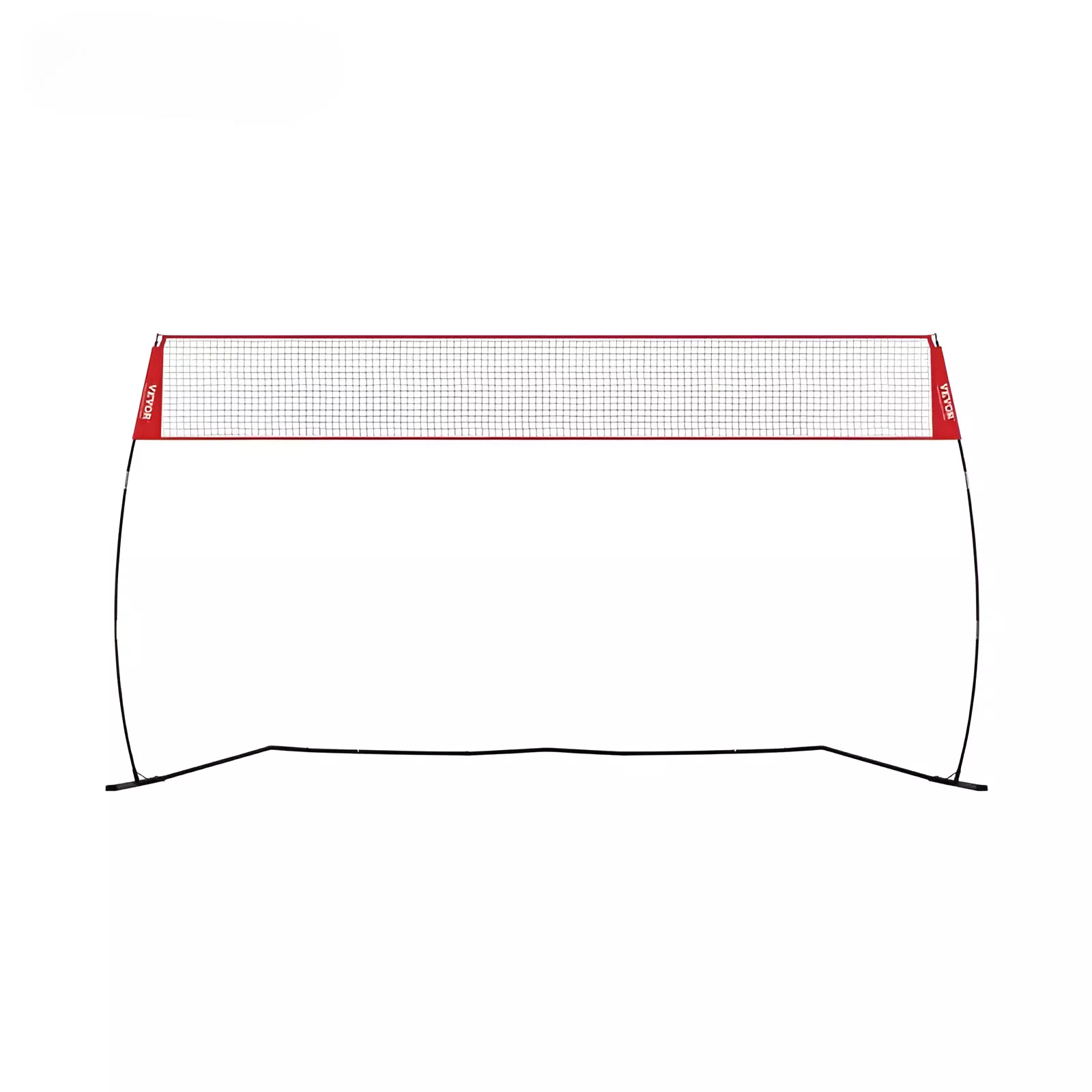
Adjustable Freestanding Volleyball Net – Portable Indoor & Outdoor Training System
A freestanding volleyball net system makes it possible to set up a reliable court almost anywhere—driveway, backyard, gym, or park—without searching for permanent posts. With adjustable height and a portable frame, it supports quick games, skill sessions, and multi-age practice where the net position needs to change fast. The result is more playable reps, smoother transitions between groups, and fewer setup headaches when you’re working with limited space or shared facilities.
What a Freestanding Volleyball Net System Includes
Most adjustable freestanding systems share a few core components designed for fast assembly and consistent net shape:
- Two support uprights with an adjustable height mechanism to accommodate different play levels
- A tensioned net and attachment points designed to keep the top tape level
- A base or stabilizing feet/stands that allow setup without permanent ground sleeves
- A carry/storage solution for easier transport and off-season protection
- Hardware for quick assembly so setup can be done before practice or a casual match
When comparing systems, pay attention to how the uprights lock at height and how the net tensions (straps, ratchets, or cleats). Those details often determine whether the net stays level through serves, blocks, and repeated contact.
Adjustable Height: Common Settings and When to Use Them
Adjustability is the main advantage of a freestanding net—especially when different groups share the same space. Quick height changes keep sessions moving without major reassembly, and they also allow purposeful training adjustments (slightly lower or higher) to emphasize contact point control, blocking timing, or float-serve clearance.
Whatever height you choose, a level top tape and consistent tension typically matter more than the exact number on the scale. After the first few rallies, re-check the tape: many nets settle a bit once players start hitting.
Typical Net Heights by Group and Use
| Group or Scenario | Common Net Height | Notes for Training |
|---|---|---|
| Women’s competition | 2.24 m (7 ft 4 1/8 in) | Use for game-like reps, blocking timing, and serve receive patterns |
| Men’s competition | 2.43 m (7 ft 11 5/8 in) | Best for full-speed hitting lines and true block-touch work |
| Co-ed or mixed-age recreation | 2.30–2.40 m (approx.) | Choose a comfortable height that reduces over-net collisions and keeps rallies going |
| Youth fundamentals | Lower than adult heights | Prioritize clean contacts and longer rallies; increase height gradually as technique improves |
For rules references and official specifications, consult USA Volleyball — Indoor Rules and Guidelines and the NCAA Volleyball — Rules.
Setup and Stability: Getting a Clean, Playable Net Fast
A portable system is only as good as how quickly it becomes “game-ready.” A few setup habits help prevent a sagging tape or tilted posts:
- Assemble on a flat surface first; confirm all joints are fully seated before adding tension.
- Tension the net in small increments, alternating sides to keep the top tape level.
- Check the base alignment so uprights are vertical; slight lean can cause uneven net height across the tape.
- For outdoor use, add stabilization where allowed (sandbags or weights near the base) and keep walkways clear of lines and stakes.
- After 5–10 minutes of play, re-tighten if the net settles; most systems relax slightly on first use.
A practical test: stand at midcourt and sight down the top tape. If it “waves” up and down, reduce uneven tension before continuing. A straighter tape tends to produce more predictable ball rebounds off the net.
Indoor vs. Outdoor Use: Surfaces, Weather, and Space Planning
Freestanding nets are versatile, but the surface and environment affect stability and safety. Planning for those differences keeps training consistent.
- Indoor: Protect floors by keeping the base clean and using padding if the system is used on hardwood.
- Outdoor grass: Aim for level ground; avoid soft spots where bases can sink and change net height mid-rally.
- Outdoor sand: Use wider base support and added weight to reduce rocking; check stability before jump serving or aggressive blocking drills.
- Wind management: Orient the net so wind hits the smallest face possible; reduce slack to prevent excessive flutter.
- Court spacing: Leave extra clearance behind end lines and outside sidelines for safe run-ups and pursuit plays.
If the area is tight, small-sided formats (like 2v2) can maintain intensity while reducing chase distance and collisions near walls, fences, or benches.
Training Ideas for a Portable Net System
A portable system can run true skill work, not just casual rallies. These drills scale well for different ages and spaces:
Care, Safety, and Storage
How to Choose the Right Adjustable Freestanding Net
FAQ
What are the standard volleyball net heights?
Common competition heights are 2.24 m (7 ft 4 1/8 in) for women and 2.43 m (7 ft 11 5/8 in) for men. Youth and recreational play often uses lower heights depending on age, skill level, and the goal of keeping rallies going.
How can a freestanding net stay stable outdoors in wind?
Start with level ground, then tension the net evenly so the top tape stays straight. Orient the system to reduce wind hitting the broad side of the net, and add safe weights such as sandbags near the base while keeping pathways clear to avoid trip hazards.
Can an adjustable net be used for both training and casual games?
Yes—quick height changes and a portable frame make it easy to shift from drills like serving, setting, and blocking to full-court or small-sided games. That flexibility is especially useful when multiple age groups share the same space.












Leave a comment