
Adorable Girls Summer Romper: Fit, Fabrics & Tips
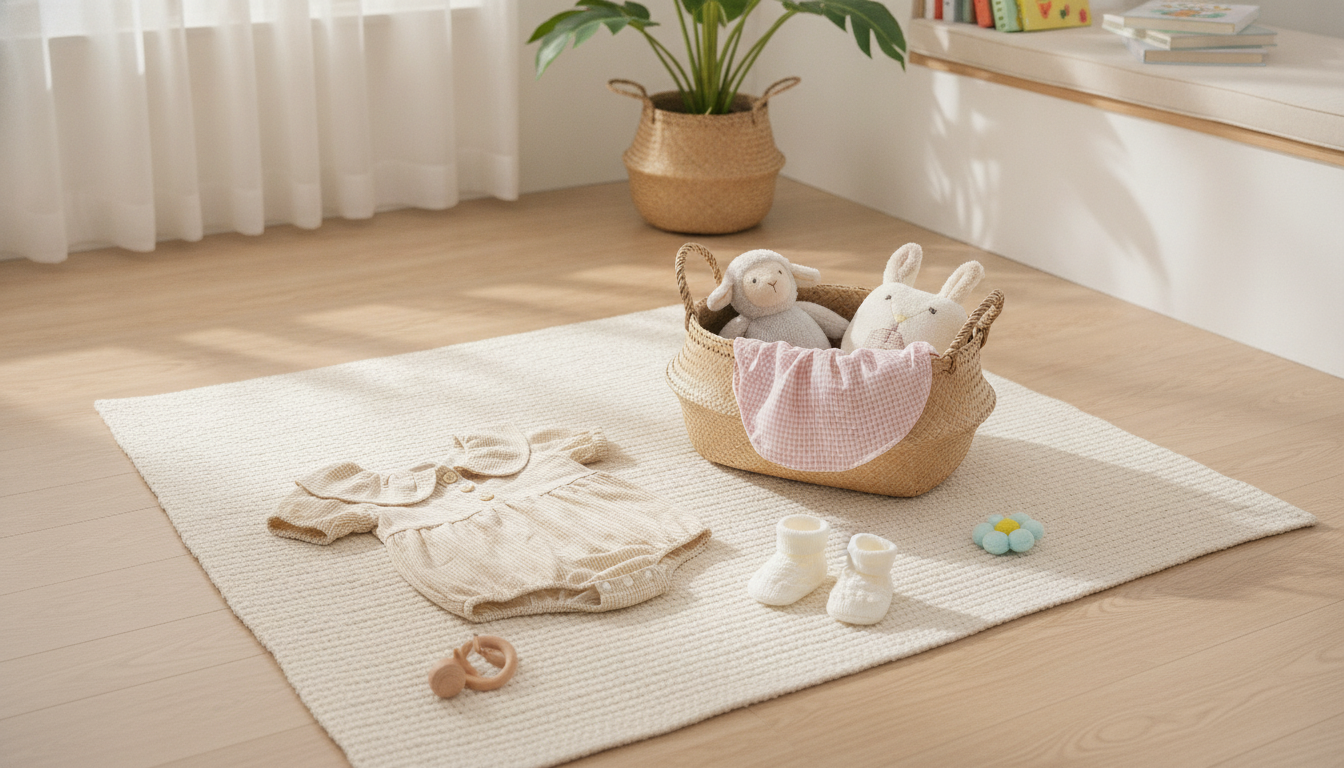
A lightweight romper can simplify summer dressing for kids: one piece to pull on, room to move, and a look that works for playdates, vacations, and everyday errands. The best options balance breathable fabric, comfortable fit, and practical details like easy changes and secure straps—while still feeling fun and cute.
How to Choose a Girls Summer Romper
For warm-weather days, the “right” romper is the one your child will actually want to wear—and that usually comes down to comfort and convenience. Start by prioritizing breathable fabric, then confirm the fit through the torso (the most common trouble spot), and finally look for kid-friendly details like adjustable straps and easy bathroom access.
If your child is between sizes, choose the option with more torso room. Cuffed hems are easy to manage, but a too-short rise can tug at the shoulders, pinch at the crotch, and make active play feel uncomfortable.
What Makes a Summer Romper Comfortable for Kids
- Breathable materials help reduce overheating during outdoor play, stroller rides, and long car trips.
- Soft seams and smooth tags prevent irritation on shoulders, waist, and thighs—especially when skin is sweaty.
- A relaxed cut allows running, climbing, and sitting without pulling at the crotch or tightening at the leg openings.
- Stretch or adjustability at the waist and straps helps the outfit last through growth spurts and keeps the fit comfortable across the day.
How to Choose the Right Size and Fit
Rompers fit differently than two-piece outfits because the top and bottom are connected. A waistband that feels fine on the hanger can still become uncomfortable if the torso is too short or the straps aren’t adjustable.
- Start with height and weight guidance when available; a romper that is too short can ride up during play.
- Check torso length: kids with longer torsos may need sizing up even if the waist fits.
- Look for adjustability (adjustable straps, elastic waistbands, or tie details) to fine-tune fit without squeezing.
- For diapered toddlers, prioritize extra room in the seat and leg openings to avoid compression and allow movement.
- When between sizes, choose the size that offers more torso room; hems can be cuffed but a tight torso is hard to fix.
| Fit area | What to look for | Simple at-home check |
|---|---|---|
| Straps/shoulders | No slipping, no digging | Two fingers fit under the strap comfortably |
| Torso length | Room to sit and bend | Kid can squat without pulling at the shoulders |
| Waist | Secure but flexible | Waist stretches and returns without leaving marks |
| Leg openings | No pinching | Fabric lies flat; no redness after 10 minutes of wear |
| Closures | Easy on/off | Bathroom break or diaper change can be done quickly |
Fabric Options for Hot Days
Summer comfort starts with fabric. The best choice depends on your climate, your child’s sensitivity to heat, and how often you plan to wash the romper.
- Cotton and cotton blends: soft, breathable, and easy to wash; great for daily wear.
- Linen and linen blends: airy and quick to dry; can wrinkle but feels cool in heat.
- Rayon/viscose blends: drapey and lightweight; follow care instructions to reduce shrinking.
- Stretch knits: comfortable and flexible; check that the fabric isn’t too heavy for peak summer.
- Lighter colors and looser weaves can feel cooler, especially for long outdoor stretches.
Design Details That Matter (Beyond the Cute Factor)
Small construction details can make the difference between a romper that’s worn weekly and one that stays in the drawer.
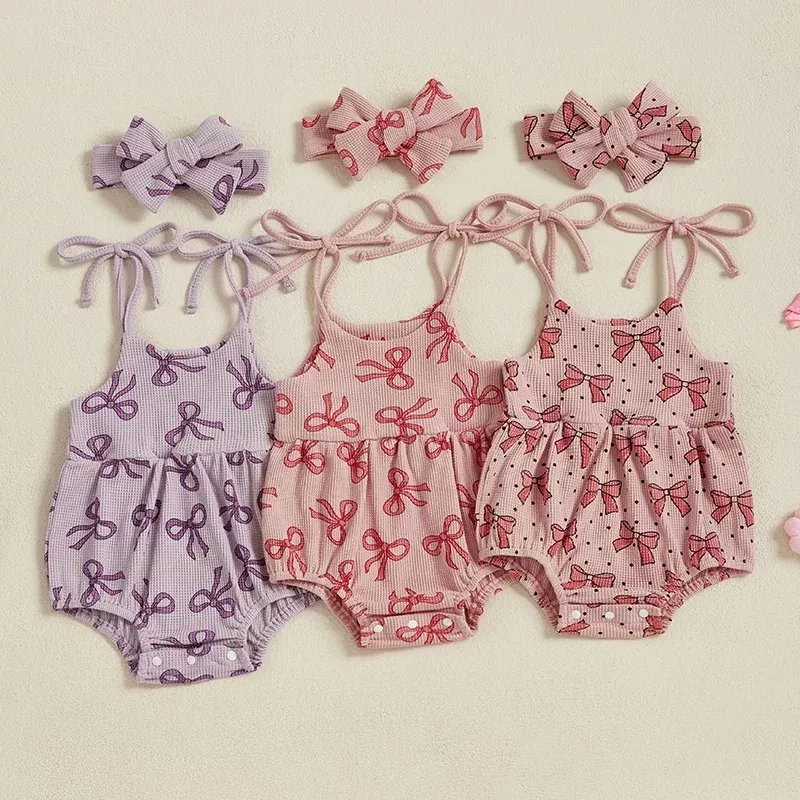
- Easy changes: snaps, buttons, or a roomy neckline can make quick changes less stressful.
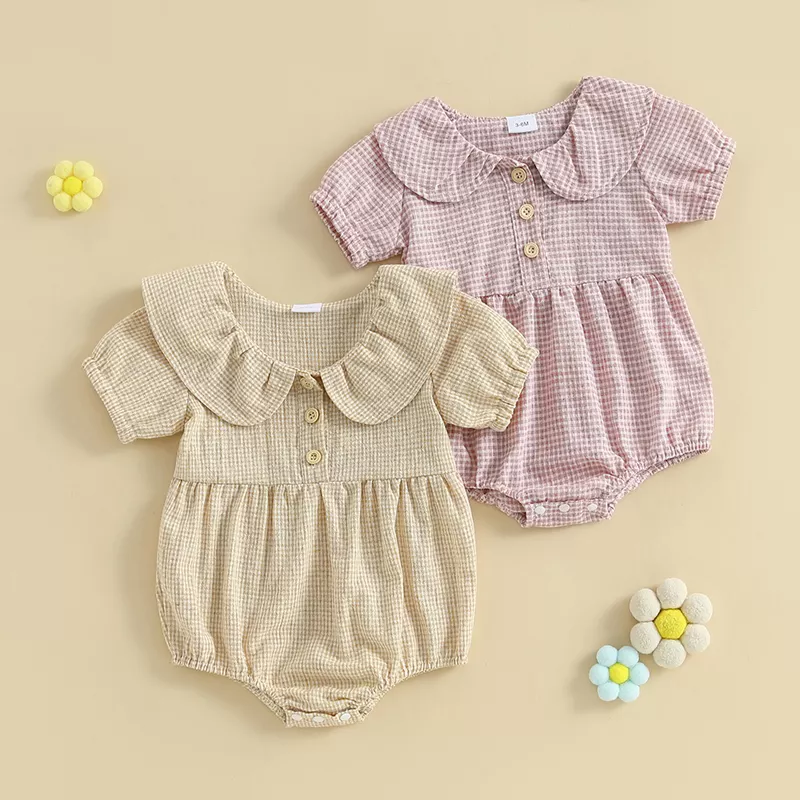
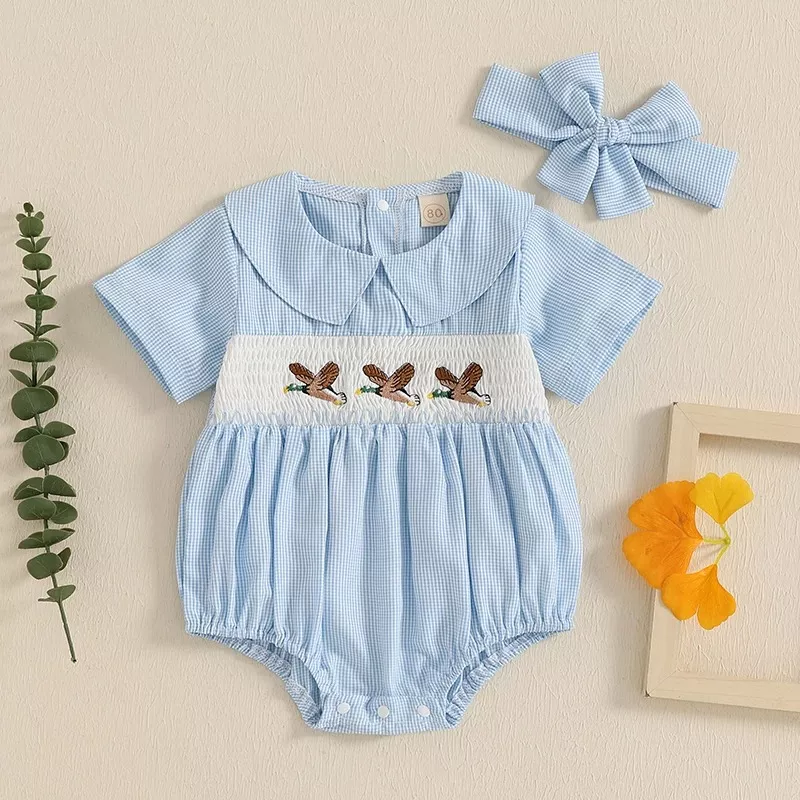
- Coverage choices: sleeveless for maximum airflow, flutter sleeves for shoulder coverage, or short sleeves for extra comfort in sun.
- Pocket placement: shallow pockets can be decorative; deeper pockets are useful for small treasures.
- Safety notes: avoid long drawstrings or cords that could catch on playground equipment; prefer secure stitching and smooth hardware. For more guidance, see the U.S. CPSC drawstrings safety information.
- Durability: reinforced seams and quality elastic help the romper keep its shape after repeated washes.
Styling Ideas for Different Summer Plans
Care Tips to Keep a Romper Looking Fresh
Sun and Heat Comfort Basics for Kids in Summer Outfits
- Choose breathable outfits, take shade breaks, and offer water often during outdoor play.
- Use sun protection strategies (hat, sunglasses when appropriate, and sunscreen on exposed skin). Helpful guidance is available from the American Academy of Pediatrics.
- For long outdoor days, consider styles with a bit more shoulder coverage or pair with a lightweight layer.
- Watch for signs of overheating—unusual fatigue, irritability, excessive sweating, or dizziness—then cool down and hydrate. The CDC heat guidance includes practical tips for children.
FAQ
What should a girls summer romper fit like?
A summer romper should feel relaxed and easy: straps shouldn’t dig in, the torso should have enough length for sitting and squatting, and the waist should stretch without leaving marks. If your child has a longer torso or wears diapers, sizing up for extra rise and seat room often improves comfort.
Are rompers practical for bathroom breaks?
They can be, especially with stretchy necklines, snaps/buttons, or an elastic waist that makes on-and-off faster. It helps to practice at home once, and to keep layers simple so there’s less to manage in a hurry.
Which fabrics are best for hot weather?
Breathable options like cotton, linen, and lightweight blends tend to feel coolest in heat. Heavier knits can feel warm, so look for lighter weights and consider cold washing to reduce shrinkage and keep the fabric soft.










Leave a comment