

How Long Can a Pop-Up Canopy Stay Up Safely?
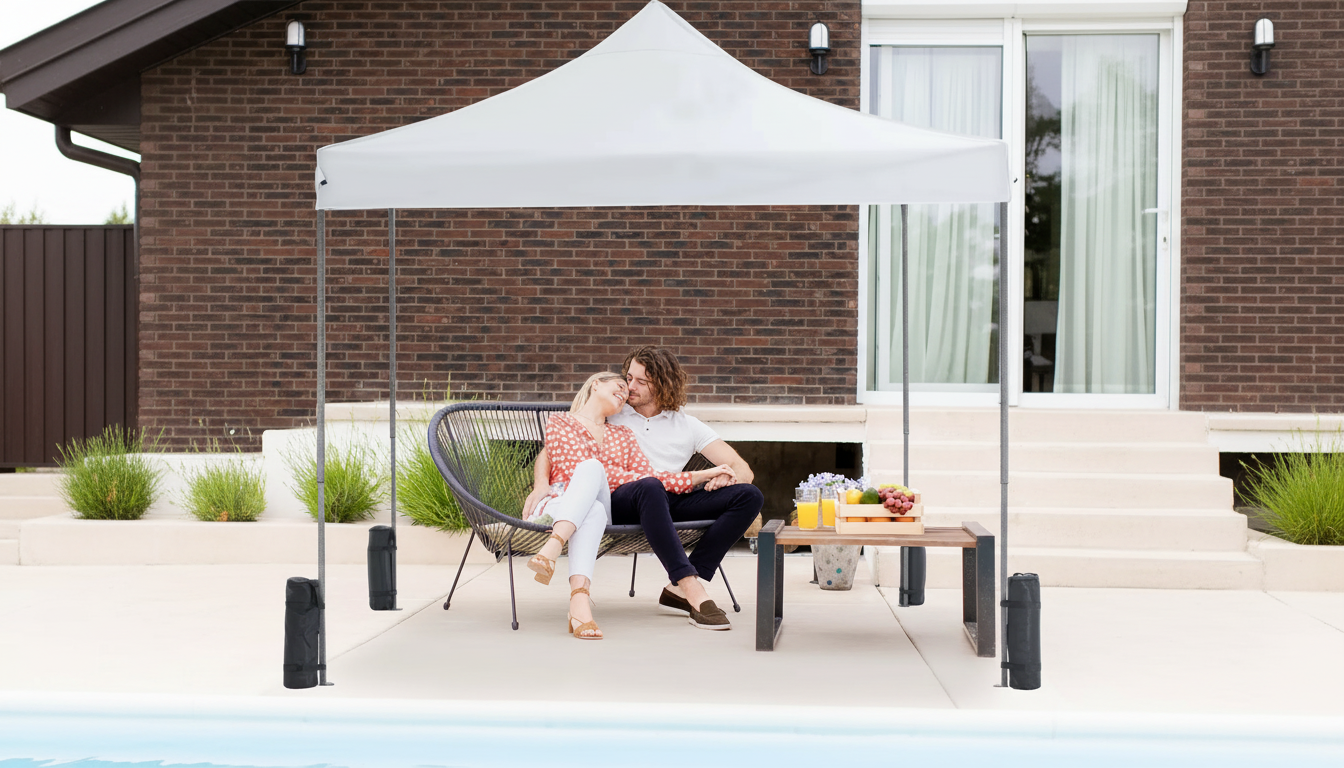
How long can you leave a pop-up canopy up?
In most real-world backyard or light event use, a pop-up canopy is best treated as a temporary setup—typically a day or a weekend—rather than something to leave standing for weeks. Many pop-up frames and fabrics are designed for quick shade and easy transport, not continuous exposure to sun, wind, and rain. If you want the canopy to last, the practical answer is: leave it up only as long as conditions stay calm and you can monitor it.
What factors determine how long it can stay up?
Wind is the biggest limiter
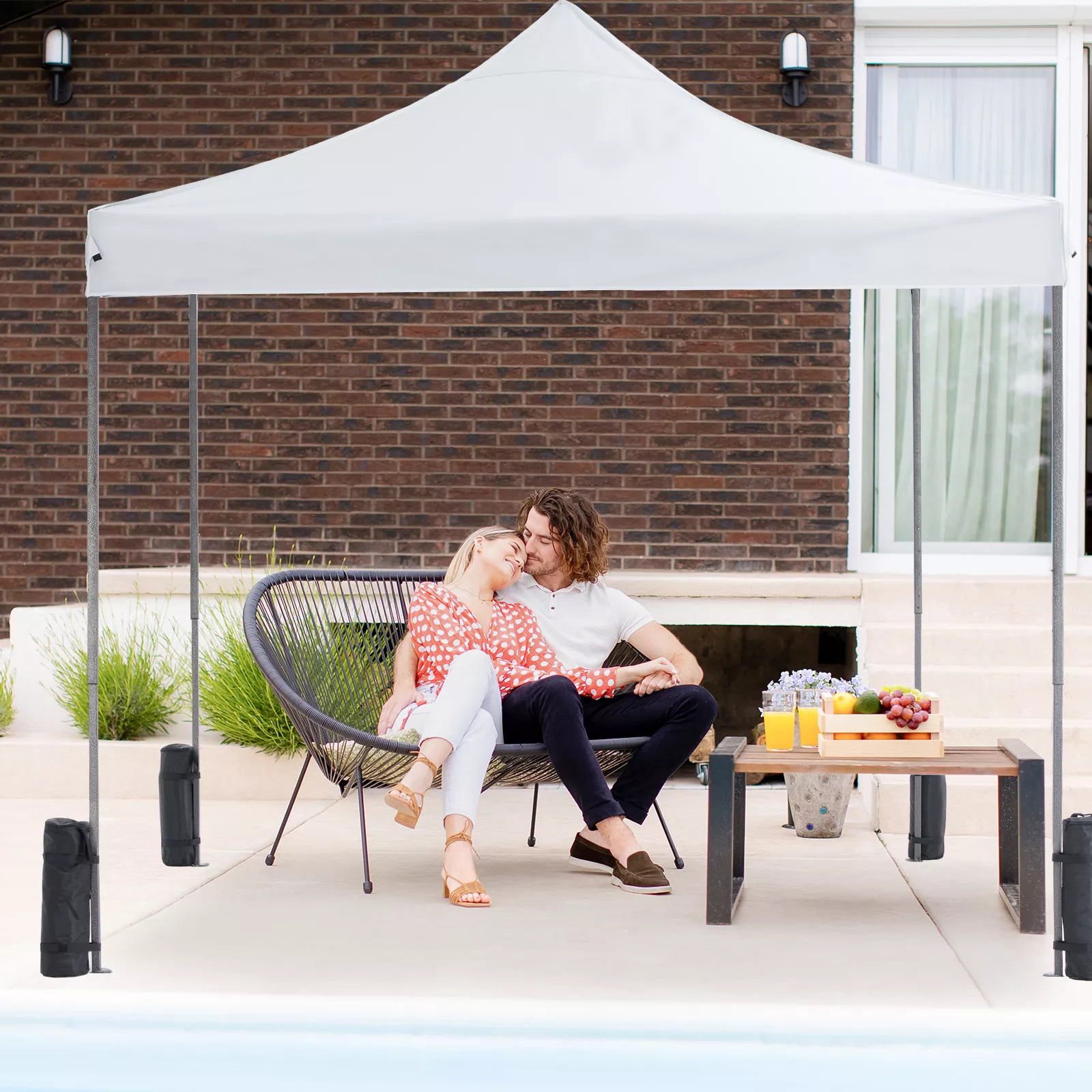
Even “light” gusts can turn a canopy into a sail. If wind picks up, take it down or lower it immediately. Always use proper anchoring (stakes, guy lines, or weighted bags on each leg), and don’t rely on the frame alone.
Sun exposure and fabric wear
UV exposure slowly weakens canopy tops and can cause fading and seam stress. If the canopy is left up day after day, expect the top to age faster than if it’s only used occasionally.
Rain and pooling
Pop-up canopies aren’t all meant for heavy or prolonged rain. Water pooling adds weight, which can bend trusses and stretch fabric. If rain is expected, ensure the top is tensioned correctly and remove standing water right away—or pack it up.
Overnight setup and security
Leaving a canopy up overnight can be fine in calm weather with solid anchoring, but it increases risk from surprise gusts and theft. If you can’t supervise it, taking it down is often the safer move.
For more practical guidance on choosing, setting up, and maintaining a 10×10 pop-up canopy, see the full guide here: 10×10 Pop-Up Canopy Tent Guide.
FAQ
How do you keep a pop-up canopy from blowing away?
Use weight on every leg (canopy weight bags or solid alternatives) and add stakes and guy lines when possible. In gusty conditions, lower the canopy height and remove the top if winds increase.












Leave a comment