

Portable Sawmill: When It’s Worth Buying Your Own
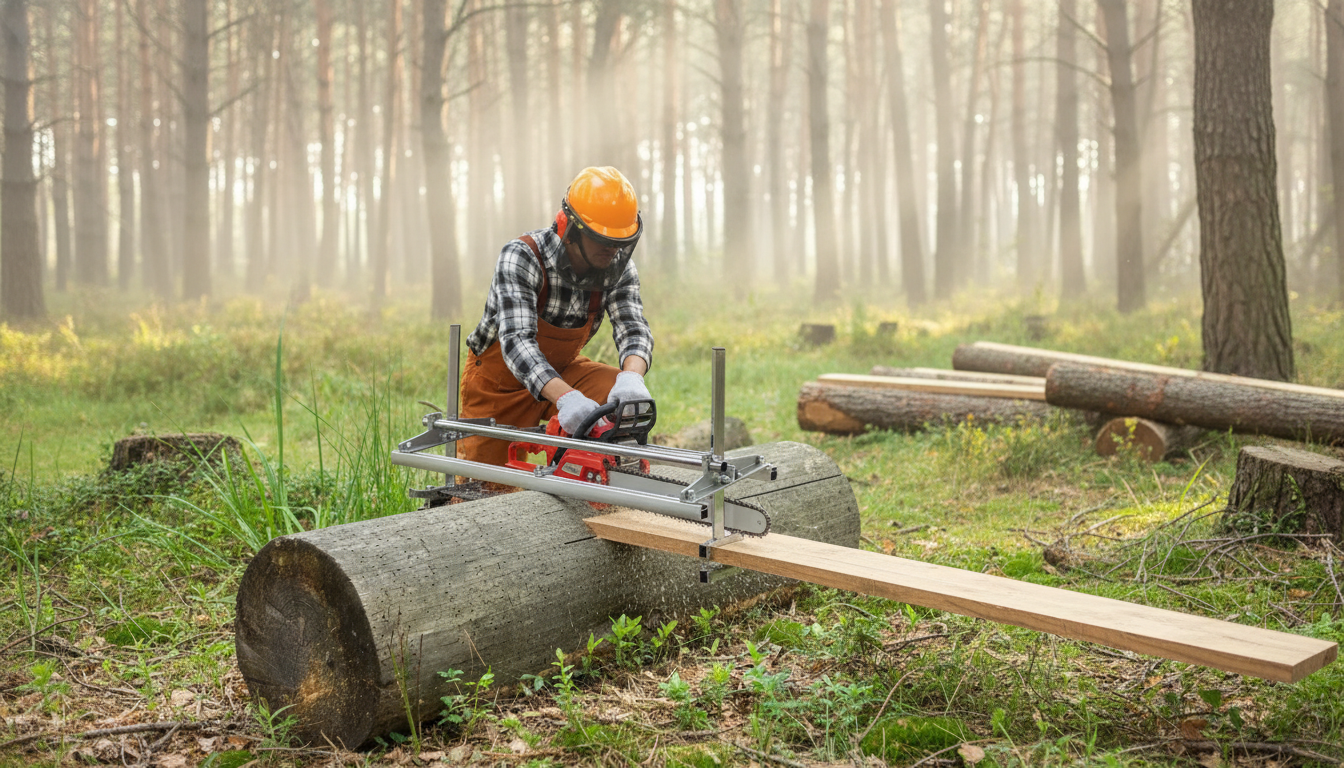
Is owning a portable sawmill worth it?
Owning a portable sawmill can be worth it when there’s a steady supply of logs and a real use for the lumber—think home projects, farm repairs, woodworking, or selling slabs locally. The biggest payoff is control: turning storm-fallen trees or affordable logs into boards sized for your builds, often at a lower cost per board foot than buying retail lumber once you’ve produced enough volume.
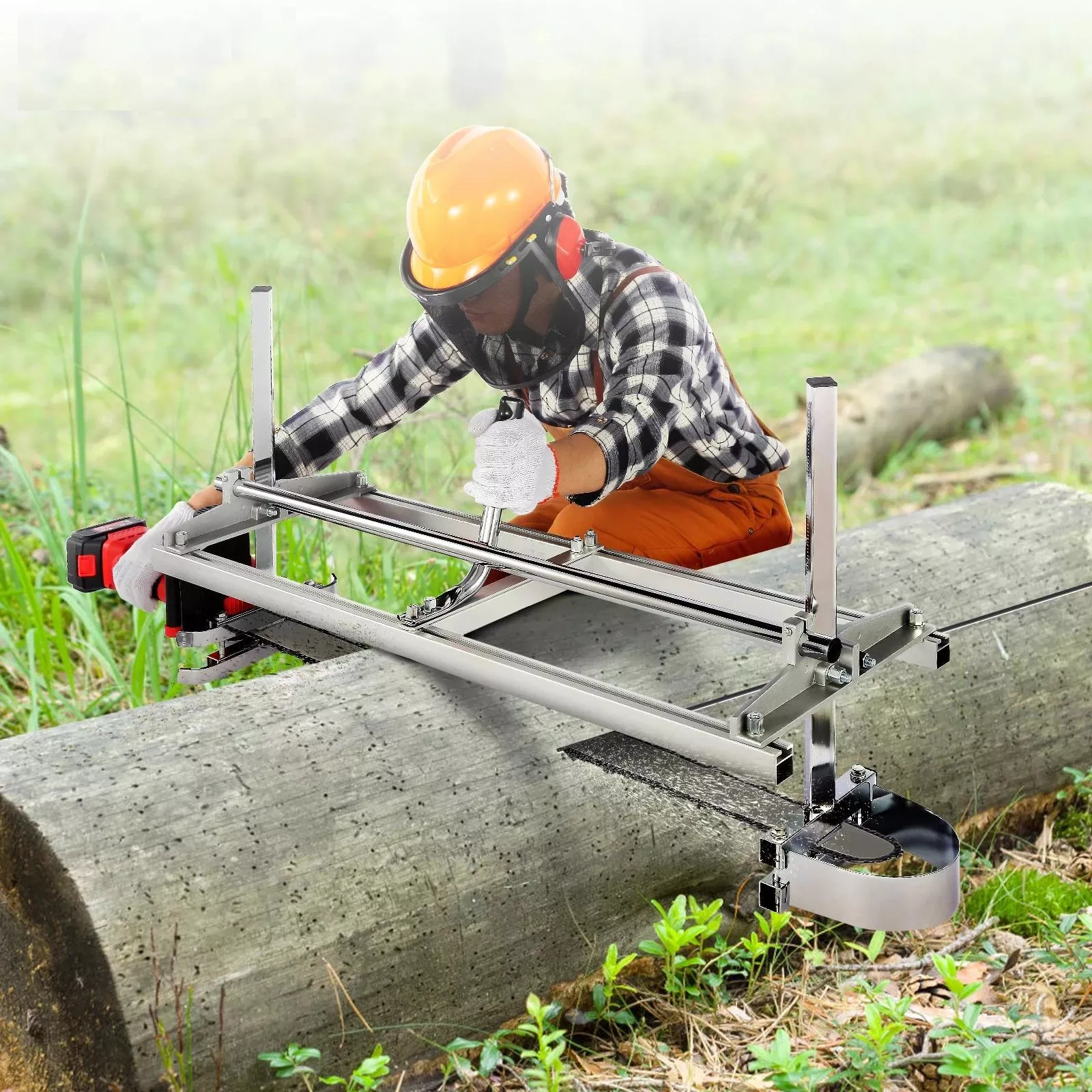
It’s also worth considering what “portable sawmill” means for your situation. A compact chainsaw mill setup is typically the most budget-friendly way to start milling, but it demands more hands-on effort and careful technique. If the goal is consistent, flat slabs for tables or shelving, the time savings and accuracy improvements can justify the investment—especially when paired with the right bar length, chain, and a solid milling guide.
When it pays off
A portable sawmill tends to make sense when you can mill regularly, store and dry boards properly, and use the lumber within the next 6–18 months. It’s a strong value for people who frequently build with thick stock (2″+ slabs), need custom widths or long boards, or have access to hardwood logs that are expensive to buy as finished lumber.
Costs that surprise new owners
The mill itself is only part of the budget. Plan for chains, bar oil, fuel, sharpening, wedges, safety gear, and possibly a winch or cant hooks for log handling. You’ll also need space for stacking and drying, plus time—milling and drying lumber is a process, not an instant result.
How to get better results fast
If straight, even slab cuts are the deciding factor, technique matters as much as equipment. For practical steps on getting flatter, cleaner cuts with a portable chainsaw mill setup, see the full guide here: https://luxjoy.shop/guide-portable-chainsaw-mill-guide-straight-even-slab-cuts/.
FAQ
How do you dry lumber after milling?
Stack boards with uniform stickers between layers, keep them level, and protect the top from rain while allowing airflow through the stack. For many species, air-drying takes months; a moisture meter helps confirm when lumber is ready to use indoors.














Leave a comment