

Heated Outdoor Cat House Guide: Safe Winter Shelter
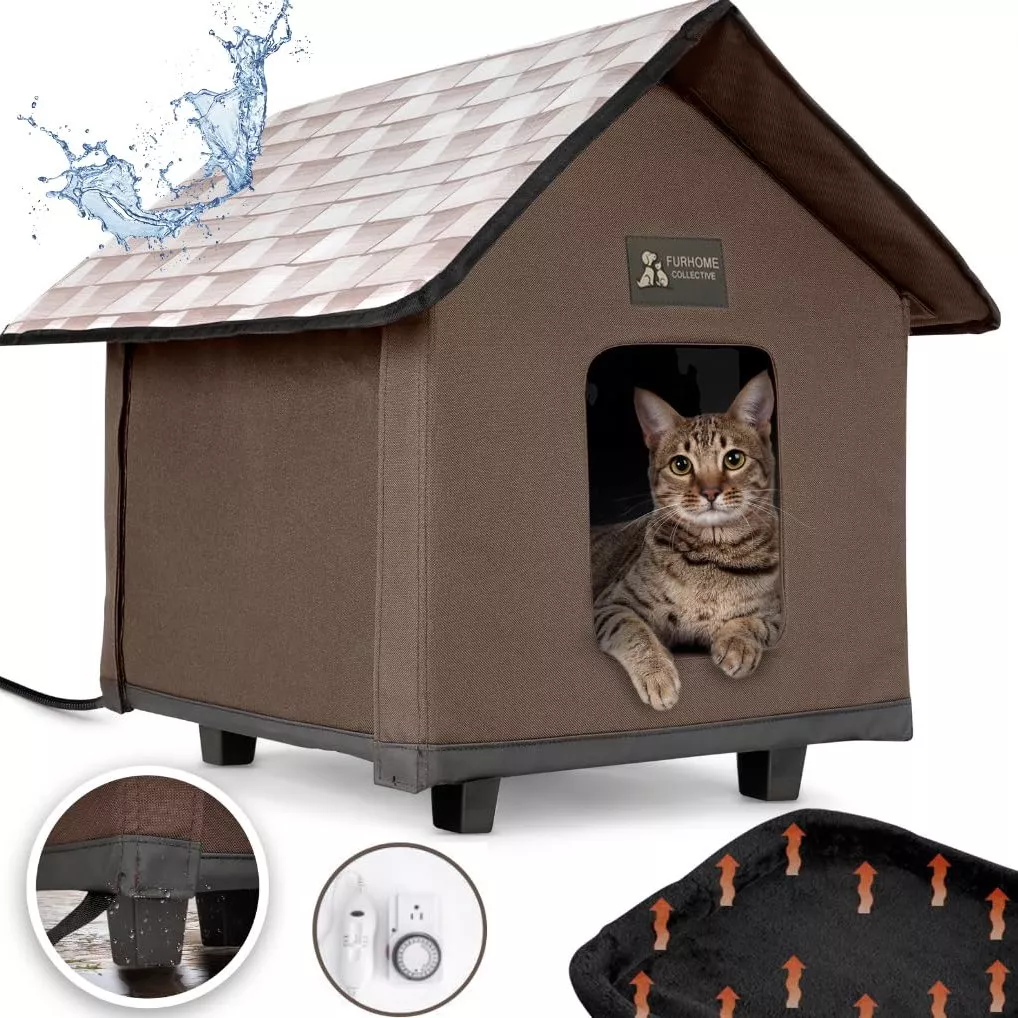
Heated Outdoor Cat House: Warm Shelter for Cold Nights
Cold air, wind, and damp ground can turn “just another night outside” into a real risk for outdoor cats. A heated outdoor cat house helps by combining insulation, weather resistance, and a gentle warming surface to support a safer rest space when temperatures drop. The goal is straightforward: provide a dry, draft-resistant refuge that stays comfortably warm without becoming stuffy or overheated—especially overnight and during wet winter weather. For more guidance, see Community Cat Shelter Options Gallery.
For additional cold-weather guidance, review trusted tips from the ASPCA and shelter recommendations from Alley Cat Allies. For further reading, see How to Help Outdoor Cats in Winter – Best Friends Animal Society.
What a Heated Outdoor Cat House Does (and What It Doesn’t)
A well-designed heated shelter creates a protected microclimate by pairing insulation with a low-watt, pet-safe heat source. Instead of trying to “heat the outdoors,” it focuses on keeping a small interior space warmer, calmer, and less exposed to harsh conditions.
- Creates a protected microclimate by pairing insulation with a gentle heat source.
- Reduces exposure to wind chill and cold, wet surfaces that pull heat from the body.
- Helps outdoor cats and community cats rest more safely during freezing nights.
- Does not replace veterinary care for hypothermia, frostbite, or illness; signs like lethargy, pale gums, or shivering that won’t stop require prompt help.
- Works best when placed out of direct wind, away from snow runoff, and kept dry inside.
It’s also worth noting that cats may take time to trust a new shelter. Keeping the setup consistent (same location, dry bedding, and minimal disturbance) often improves adoption of the space.
Key Features to Look For
Not all heated outdoor houses are built the same. The best options prioritize insulation, moisture control, and safe electricity management—because wind-driven rain and freezing ground can defeat warmth quickly.
- Insulated walls and roof: foam or thermal lining helps hold warmth and blocks drafts.
- Water resistance: sealed seams, weatherproof roof, and a base that won’t wick moisture.
- Raised floor: keeps the sleeping area off frozen ground and reduces heat loss.
- Heated pad or heated floor element: low-wattage, pet-safe heating designed for continuous use.
- Cord protection: chew-resistant cord and a safe route to an outdoor-rated outlet.
- Stable, tip-resistant design: important in wind, on decks, or near fences.
Feature checklist for outdoor heated shelters
| Feature | Why it matters | What to verify |
|---|---|---|
| Insulation | Holds warmth and reduces power needs | Lined walls/roof; snug interior space |
| Weatherproof roof | Prevents moisture and heat loss | Overhang or sloped roof; sealed material |
| Raised base | Stops ground chill and dampness | Feet/platform; dry underside |
| Pet-safe heat | Adds warmth without overheating | Low wattage; designed for pets; stable temperature |
| Draft control | Keeps wind from stripping heat | Small doorway; optional flap; protected placement |
| Easy cleaning | Supports hygiene and odor control | Removable top or access panel; wipeable interior |
Choosing the Right Size and Interior Setup
When it comes to outdoor shelters, “bigger” usually isn’t better. Oversized interiors are harder to keep warm, even with a heating element. A cozier fit allows body heat and gentle warming to work together efficiently.
- Aim for a cozy fit: smaller interiors retain heat better than oversized houses.
- One-cat vs. multi-cat: shared shelters can be warmer, but only if cats tolerate cohabitation.
- Doorway sizing: large enough for entry but not so large that it invites drafts.
- Bedding: use straw for outdoor shelters (it resists moisture and insulates); avoid blankets that can trap dampness in very wet conditions.
- If using a heated pad: keep the sleeping area flat and ensure bedding doesn’t block heat dissipation.
Straw is especially effective because it traps air while shedding moisture. If your climate is relatively dry and you can check the shelter often, a thin fleece layer over a heated pad can work—but it needs monitoring so it doesn’t become damp or bunch up over the heater.
Safe Placement and Electrical Basics
Placement can make or break performance. Even an excellent heated house will struggle if it’s sitting in a wind tunnel or taking on meltwater from a roof edge. Choose a protected location first, then fine-tune the entrance direction and cord routing.
Cold-Weather Routine: Maintenance That Keeps It Working
A Ready-to-Use Option: Heated Outdoor Cat House
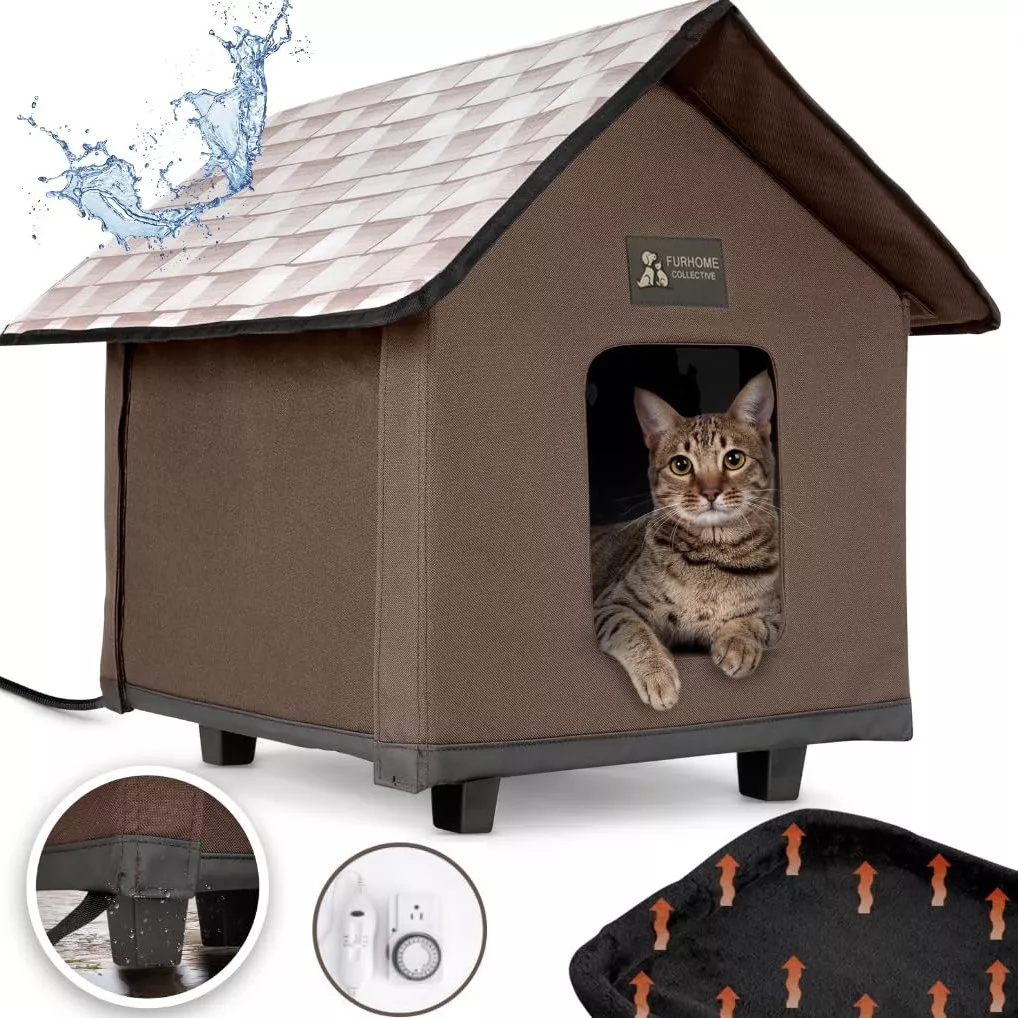
If you’re looking for a simple, ready-to-place solution, the Heated Outdoor Cat House is designed to provide a warmer resting spot outdoors during colder months. It can be a practical choice for patios, porches, barns, and other sheltered areas where outdoor cats naturally seek cover.
Product snapshot
| Item | Price | Availability |
|---|---|---|
| Heated Outdoor Cat House | $82.97 | In stock |
More cold-season picks
FAQ
Is it safe to leave a heated outdoor cat house plugged in overnight?
It can be safe when the shelter uses a pet-safe heating element designed for continuous use and is plugged into an outdoor-rated, GFCI-protected outlet. Keep cords protected, routed away from water and snow buildup, and re-check for moisture or cord wear as part of a regular winter routine.
What bedding works best inside an outdoor heated shelter?
Straw is typically the best choice because it insulates well and resists moisture. Blankets can hold dampness in very wet conditions, so if you use fabric bedding, monitor it closely and keep it from bunching up and blocking the heater’s surface.
How warm should an outdoor cat shelter be in winter?
The target is a dry, draft-free space that stays above freezing and reduces wind chill, not a hot interior. A small insulated house plus body heat and gentle warming is often enough; if the inside feels overly warm or stuffy, adjust bedding, placement, or ventilation and keep monitoring.














Leave a comment