

Do Interactive Cat Toys Really Work? What to Expect
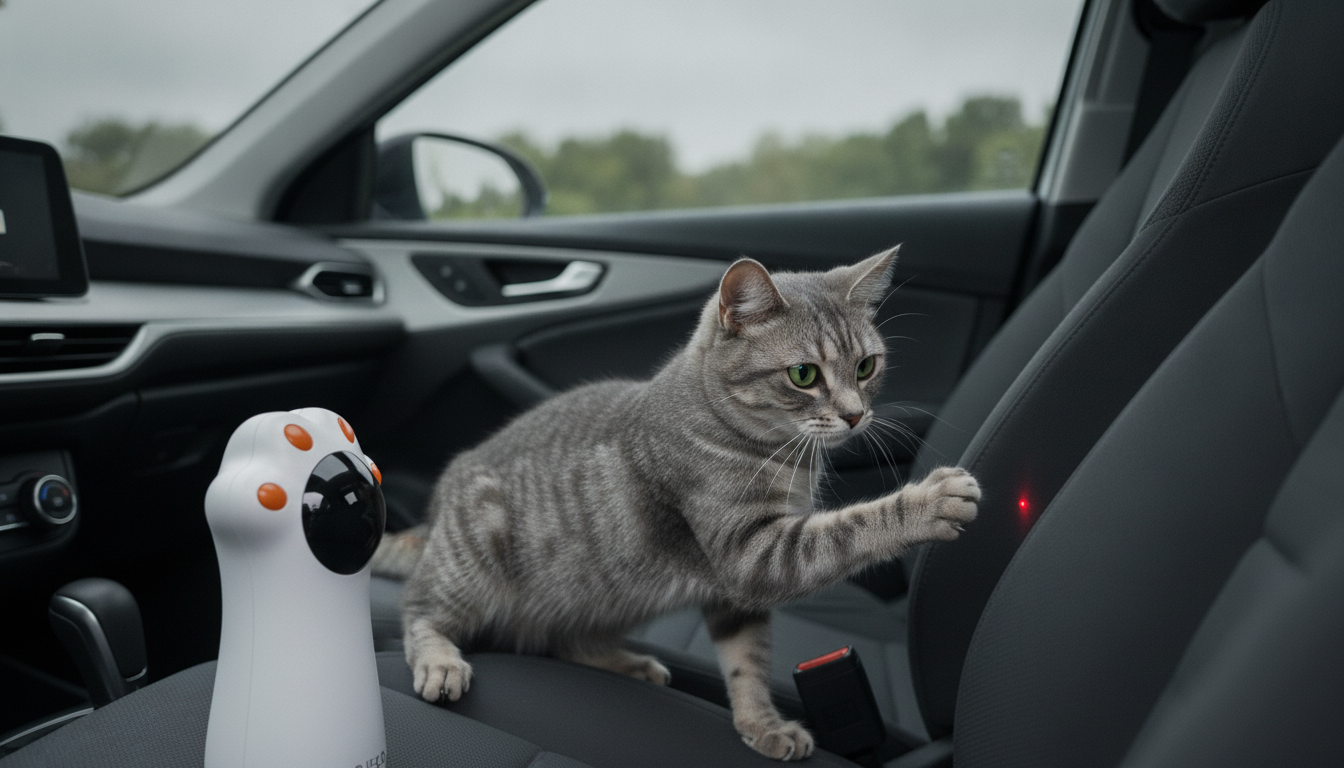
Do interactive cat toys work?
Interactive cat toys can work very well—when they match how cats naturally play. Most cats are wired to stalk, chase, and pounce, so toys that move unpredictably, change direction, or trigger a “hunt” sequence often get better results than static plush toys. Many owners notice improved engagement, more daily activity, and fewer boredom behaviors (like nighttime zoomies or attention-seeking) when an interactive toy becomes part of a routine.
What “working” looks like for an interactive toy
A toy is doing its job if your cat shows focused interest (watching, creeping, batting), gets short bursts of exercise, and then settles afterward. The best interactive toys create quick, repeatable play sessions—often 5–15 minutes—without requiring constant human involvement. Automatic laser toys, for example, can be especially motivating for cats who love fast movement and chasing.
When interactive toys don’t work (and how to fix it)
Some cats lose interest if the motion is too predictable, too loud, or starts when they’re resting. Others prefer “ground prey” (like rolling balls) over “sky prey” (like feathers). Rotating toys helps: put one away for a few days and bring it back later. Also, timing matters—try sessions around dawn/dusk when many cats are naturally most active.
Tips to make interactive play more satisfying
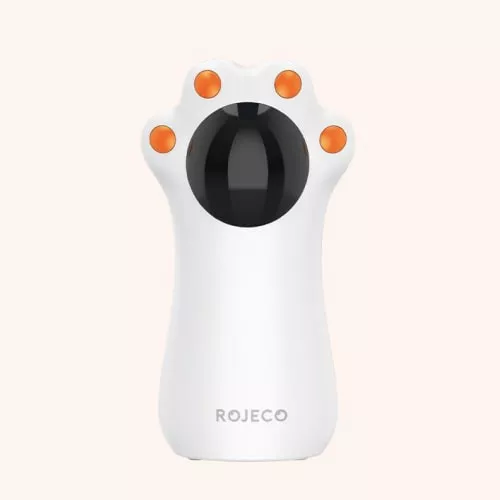
For laser-style toys, end the session by tossing a physical toy or offering a small treat so your cat gets a “catch” moment. Keep play areas clear so your cat can sprint safely, and supervise if your cat tends to chew parts. If you’re considering an automatic laser option, see the detailed guide here: USB Rechargeable Automatic LED Laser Cat Toy Guide.
For Do Interactive Cat Toys Really Work? What to Expect, the best answer depends on fit, material, care instructions, and how the product will be used day to day.
FAQ
How do I keep my cat from getting bored of the same toy?
Rotate toys weekly, change the play location, and vary session timing. Short, frequent play sessions usually hold attention better than long sessions with repetitive movement.














Leave a comment