

Best IKEA Lap Desks for Bed Laptop Use (Stability Tips)

Does IKEA have a laptop desk that can be used on a bed?
Yes—some IKEA lap desks and small side tables can work on a bed, as long as you pick a stable size and use it in a way that won’t wobble on soft bedding. IKEA often sells lightweight lap trays/bed trays and compact tables that people commonly use for laptops, breakfast-in-bed setups, or casual couch work. For bed use, the most important details aren’t the name on the label—it’s whether the surface is wide enough for your laptop, whether the base stays steady on a comforter, and whether you can keep the screen at a comfortable height.
What to look for in an IKEA-style bed laptop desk
Choose stability over “cute” design
A rigid top and a base that won’t tip are essential. If the desk has legs, look for legs that spread wide enough to resist rocking when you type. If it’s a lap tray, a broad underside and grippy surface help it stay put on blankets.
Make sure it fits your laptop and airflow needs
Measure your laptop width and add room for a mouse (or at least your hands). Also avoid burying the laptop in fabric—soft bedding can block vents and trap heat. A firm tray keeps the bottom vents clearer.
Prioritize ergonomics for longer sessions
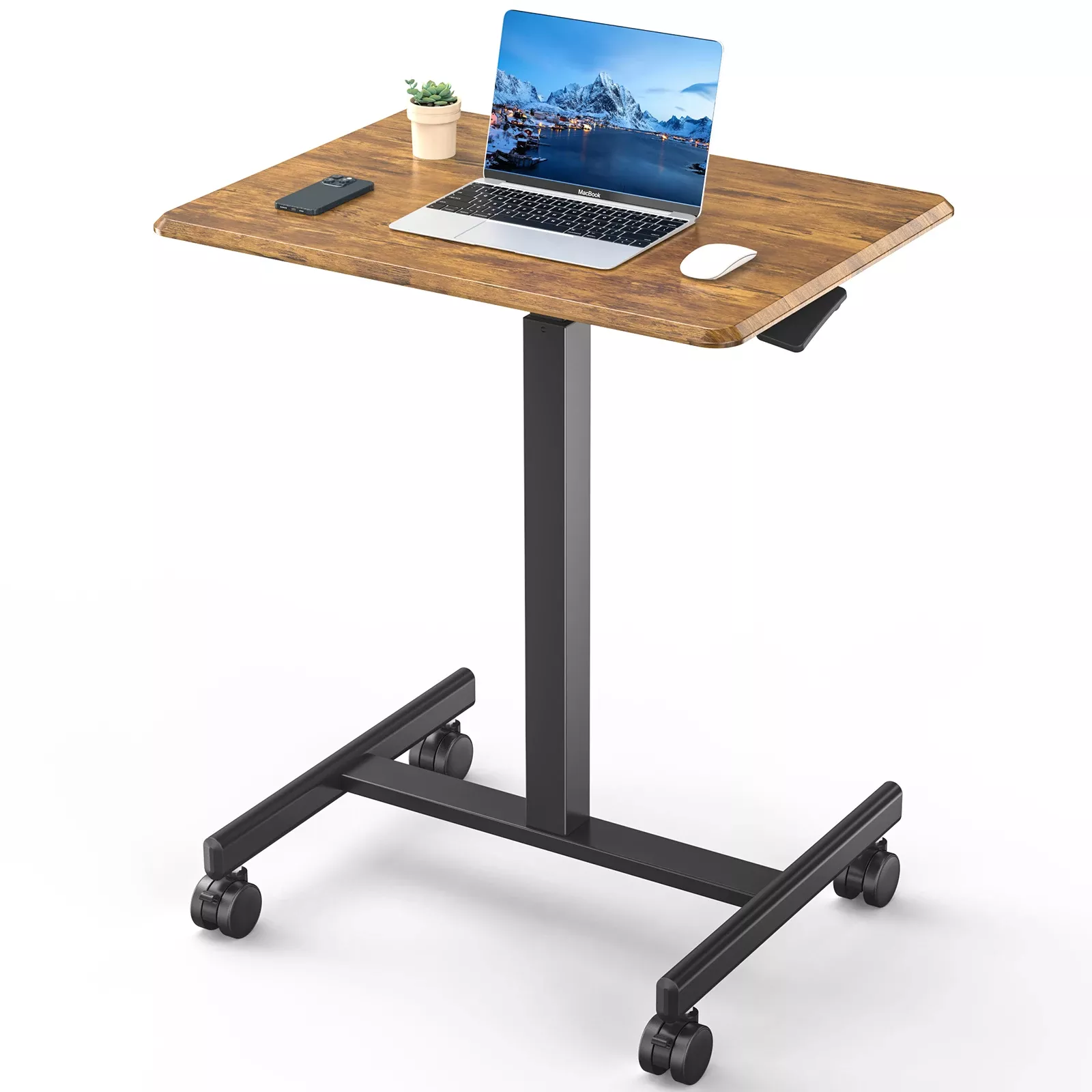
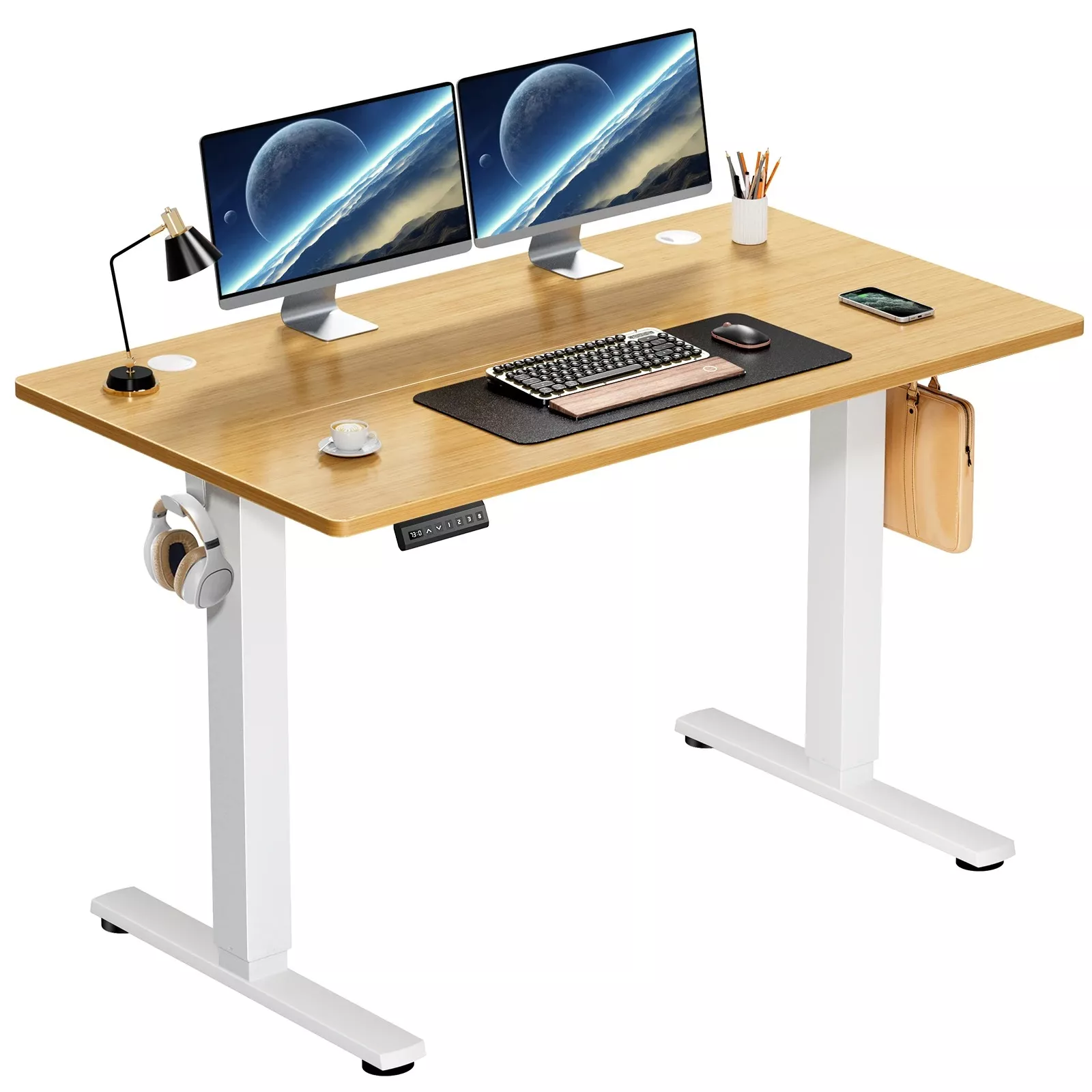
Bed work gets uncomfortable fast if your neck bends down toward the screen. Many people pair a simple bed tray with a laptop stand or a pillow behind the back to reduce hunching. If you want a more ergonomic setup with adjustable height and angle, a purpose-built portable desk can be easier to dial in.
For a practical breakdown of what features matter most (adjustable height, tilt, ventilation, and stable bases), see this guide: portable adjustable-height laptop desk and ergonomic setup.
FAQ
What’s the best way to keep a laptop from overheating on a bed?
Use a firm tray or desk surface so the laptop isn’t sitting directly on blankets, and keep vents unobstructed. If your laptop runs hot, consider a stand that lifts the rear edge or a cooling pad designed for soft-surface use.













Leave a comment