

15-Bar Espresso Machine + Steam Wand: Better Home Lattes

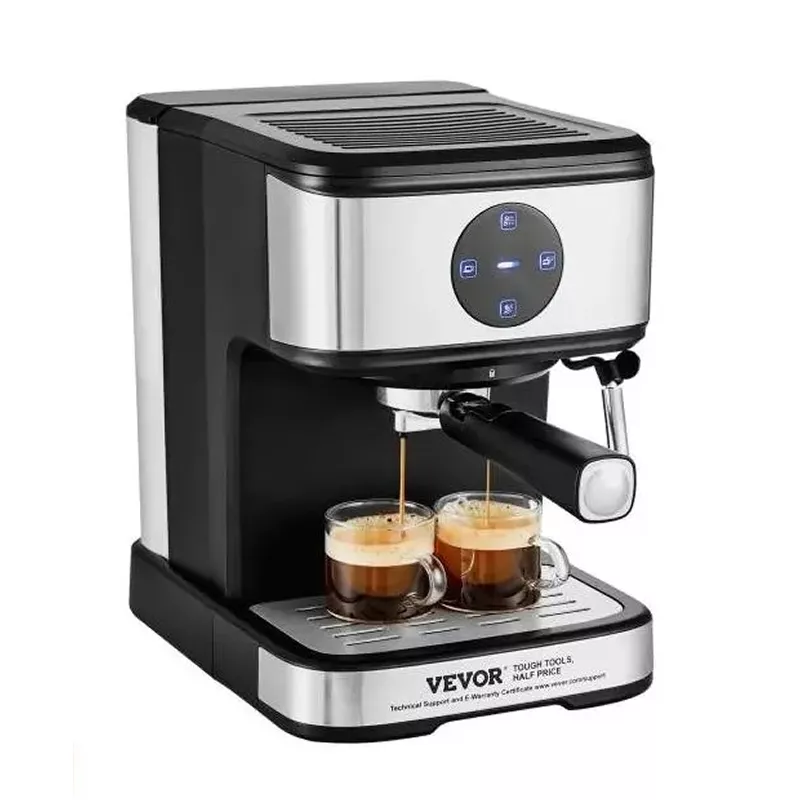
15-Bar Espresso Machine with Milk Frother & Steam Wand: Café-Style Drinks at Home
A compact 15-bar espresso machine with a steam wand can cover the full range of daily favorites—straight espresso, Americanos, cappuccinos, and lattes—without the footprint or cost of a large setup. The key is understanding what the machine does best, dialing in a repeatable shot routine, and using the milk frother/steam wand with the right technique. With a few small habits—preheating, consistent dosing, and quick cleaning—you can get café-style results that feel effortless on busy mornings.
What a 15-Bar Espresso Machine Does Well
For many home kitchens, a 15-bar espresso machine hits the sweet spot between convenience and control. The pressure system is designed to brew concentrated espresso-style shots, and with the right grind size and dose, you can get a crema-like layer and a richer mouthfeel than typical drip coffee.
- Builds pressure for brewing concentrated espresso-style shots with crema-like foam when grind size and dose are dialed in.
- Enables milk-based drinks using the steam wand: microfoam for lattes, thicker foam for cappuccinos, and hot milk for mochas.
- Typically heats faster and takes less counter space than full-size semi-automatic machines.
- Works best with freshly ground coffee; pre-ground can still perform but may reduce crema and flavor intensity.
If you want a quick reference for espresso fundamentals and consistent beverage standards, the Specialty Coffee Association (SCA) coffee standards are a helpful baseline for what “balanced” can mean in practice.
Milk Frother & Steam Wand Basics (and Why It Matters)
A steam wand does two jobs at once: it heats milk and incorporates air. The texture you get—glossy microfoam versus big, airy bubbles—depends more on technique than raw steam power. The most reliable approach is to think in two phases: aeration first, then texturing.
- Steam wand functions: heats milk and incorporates air to create foam; technique determines texture more than raw power.
- Two phases of steaming: aeration (introduce air near the surface) and texturing (submerge slightly to create a smooth vortex).
- Pitcher positioning: keep the wand tip just below the surface at the start, then lower slightly once foam expands.
- Target temperatures: generally warm and sweet around 55–65°C (130–150°F); overheating can dull sweetness and create a cooked taste.
- Milk options: whole milk is easiest for glossy microfoam; oat milk formulated for barista use foams more reliably than standard oat milk.
Common Drinks and Steam Wand Goals
| Drink | Espresso Base | Milk Texture | Foam Level |
|---|---|---|---|
| Espresso | Single or double shot | None | None |
| Americano | Shot + hot water | None | None |
| Latte | Shot(s) | Silky microfoam | Low |
| Cappuccino | Shot(s) | Airier foam | Medium–high |
| Mocha | Shot(s) + chocolate | Silky microfoam | Low–medium |
How to Pull Better Shots with a Compact Espresso Machine
Small machines reward consistency. Even without advanced controls, you can dramatically improve flavor by keeping a steady routine and making one change at a time when something tastes off.
- Use a consistent dose: weigh coffee if possible; keep dose and tamp pressure consistent to reduce channeling.
- Adjust grind based on flow: grind finer for weak or fast shots; grind coarser for choking/stalling or bitter, overly slow shots.
- Preheat essentials: run a brief blank shot to warm the brew path and cup to improve temperature stability.
- Aim for balanced extraction: look for a steady flow that starts after a short pause and finishes without sputtering early.
- Use filtered water: it can improve taste and reduce scale buildup over time.
For additional everyday brewing best practices that also apply to espresso-style concentration (freshness, water quality, and consistency), see the National Coffee Association brewing basics.
Step-by-Step: Steaming Milk with the Wand
If your foam has big bubbles or the milk tastes flat, it’s usually a positioning or timing issue. The steps below prioritize repeatability—use them as a short checklist until it becomes automatic.
Because milk is a perishable food, quick cleanup matters for both performance and safety. The U.S. FDA food safety guidance is a useful reference for handling and cleaning practices.
Cleaning and Maintenance That Prevents Most Problems
Who This Machine Fits (and When to Consider Something Else)
Featured Picks Available Now
- 15-Bar Espresso Machine with Milk Frother & Steam Wand — a practical, compact way to pull espresso-style shots and steam milk for lattes and cappuccinos with a streamlined daily workflow.
- The Anxiety Relief Bundle: A Path to Calm | 4-in-1 Bundle — a useful companion for building a calmer morning routine alongside your at-home coffee ritual.
15-Bar Espresso Machine with Milk Frother & Steam Wand
Quick Snapshot
| Feature | What It Means for Daily Use |
|---|---|
| 15-bar pressure system | Supports espresso-style extraction with a concentrated shot profile |
| Milk frother & steam wand | Enables hot milk, foam, and textured microfoam for lattes/cappuccinos |
| Compact countertop format | Fits smaller kitchens and simplifies setup/cleanup |
FAQ
What milk works best with a steam wand?
Whole milk is usually the easiest for smooth microfoam because its fat and protein balance helps create a glossy, pourable texture. For dairy-free drinks, barista-formulated oat milk foams more consistently than standard oat milk, while skim milk can foam high but often tastes less creamy.
How hot should milk be for lattes and cappuccinos?
A practical target is about 130–150°F (55–65°C), where milk tastes sweet and the foam stays stable. Going much hotter can dull sweetness and create a “cooked” flavor, so a thermometer or consistent touch cue helps.
Why is my steam wand not frothing well?
Common causes include skipping the initial purge, holding the wand tip too deep (no aeration) or too high (big bubbles), starting with milk that’s already warm, or a partially blocked tip from dried milk. If steam power seems weak overall, scale buildup can also reduce performance and may require descaling.













Leave a comment