

2-in-1 Stand + Hand Mixer: 4-Qt Bowl, 6 Speeds Guide
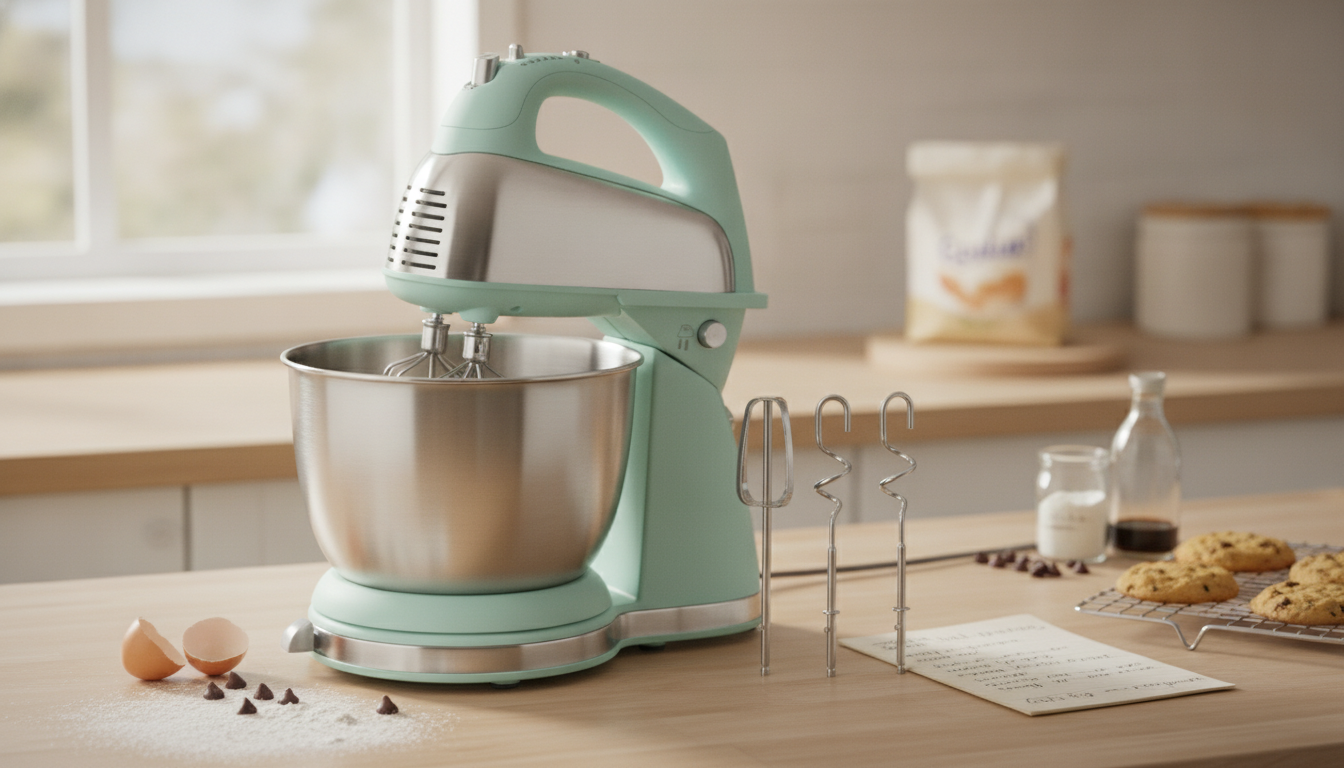
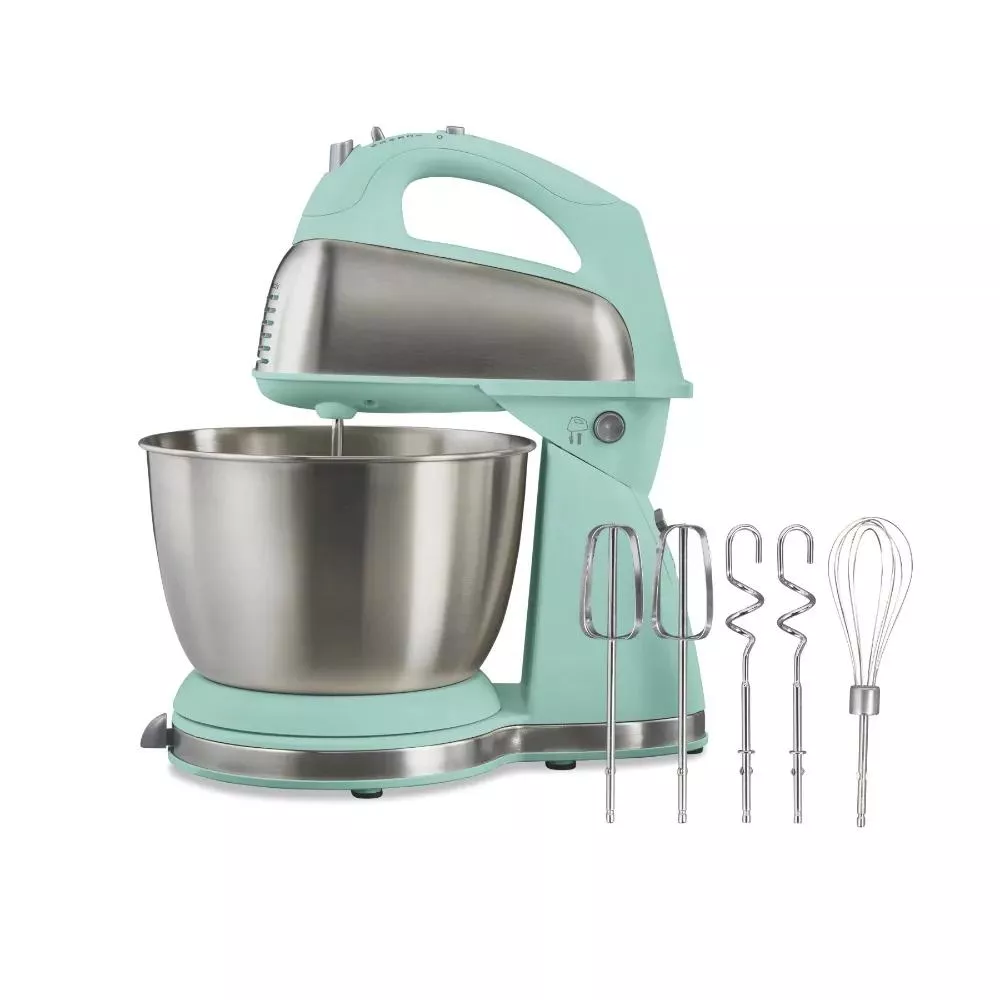
Versatile 2-in-1 Stand and Hand Mixer with 4 Qt Stainless Steel Bowl and 6 Speeds
A 2-in-1 mixer combines a countertop stand mixer’s hands-free convenience with the flexibility of a detachable hand mixer. With a 4-quart stainless steel bowl and six speed settings, this style of mixer is designed for everyday baking, quick weeknight mixing, and small-batch prep without taking up the space (or budget) of larger machines.
What the 2-in-1 design changes in daily use
The biggest advantage of a 2-in-1 mixer is that it adapts to how real kitchens work: sometimes you want the machine to do the work while you measure, and other times you just want to blitz a quick task and move on.
- Hands-free mixing in stand mode: When the hand unit locks into the stand, it can steadily mix batters, frostings, and cookie dough that benefit from consistent agitation without arm fatigue.
- Detachable hand mixer mode: Pop the mixer out for fast jobs like whipping cream, blending a sauce, or mixing in a separate bowl without relocating the base.
- Better access to the bowl: Stand mode often makes it easier to add ingredients gradually, scrape down the sides, and check texture mid-mix.
- Flexible workflow for small kitchens: One appliance can cover both countertop mixing and handheld convenience, reducing clutter and storage headaches.
4-quart stainless steel bowl: capacity and practicality
A 4-quart bowl is a comfortable “daily driver” size for many home cooks—large enough for most standard recipes while still being manageable to lift, wash, and store.
- Right-sized for common bakes: Cake batter, muffin batter, frosting, and many cookie batches fit without excessive splatter when you start at a low speed.
- Stainless steel benefits: It resists staining and odor absorption compared with some plastics, and it typically cools quickly after warm mixtures.
- Handling matters: A stable fit in the stand and a rim you can grip confidently make ingredient additions and bowl removal less awkward.
- Leave headroom: Doughs and whipped mixtures expand; keeping the bowl below “filled to the top” helps prevent mess and reduces strain on the motor.
Typical tasks that fit comfortably in a 4 qt bowl
| Task | What to watch for | Helpful tip |
|---|---|---|
| Cake or pancake batter | Overmixing can toughen results | Mix just until streaks disappear; finish by hand if needed |
| Buttercream or whipped frosting | Soft butter and temperature matter | Start low to combine, then increase to aerate |
| Cookie dough | Dough thickens quickly | Use mid speeds; pause to scrape the bowl for even mixing |
| Whipped cream or egg whites | Volume expands rapidly | Begin low to avoid splatter, then raise speed for peaks |
Six speeds: matching speed to ingredients (and avoiding common mistakes)
Six speeds are most useful when the low end is genuinely gentle and the high end is strong enough for aeration. The most common mixing problems—flour clouds, splatter, dense cakes, and grainy whipped cream—are often speed issues, not recipe issues.
- Low speeds: Best for combining dry ingredients, preventing flour clouds, and starting sticky mixtures without slinging liquid.
- Middle speeds: Generally handle creaming butter and sugar, blending batters, and mixing medium-consistency doughs.
- High speeds: Typically used for whipping tasks where aeration is the goal (cream, egg whites). Stop and check often to avoid going too far.
- Practical rule: Start slow, increase gradually, and use short bursts up top if a recipe calls for quick aeration.
- Listen to the machine: If the mixer labors, slows noticeably, or dough climbs the beaters, reduce speed and quantity and mix in shorter intervals.
Quick speed guide for common mixing jobs
| Speed range | Best for | What can go wrong |
|---|---|---|
| 1–2 (low) | Folding in dry ingredients, starting thick mixes, combining wet/dry | Too fast can blow flour everywhere or sling liquids |
| 3–4 (medium) | Creaming, batters, cookie dough, light kneading in some recipes | Extended mixing can overdevelop gluten in some batters |
| 5–6 (high) | Whipping cream, egg whites, light meringue-style mixing | Overwhipping leads to grainy cream or dry foam |
Stand mode vs hand mode: when each one is the better choice
Switching between stand and hand mode is where a 2-in-1 mixer earns its keep. Using the “right” mode for the job can save time and reduce cleanup.
Cleaning and care that keep performance consistent
For food-safe cleaning habits, follow the guidance from FoodSafety.gov’s Clean and Sanitize recommendations. For general kitchen appliance safety reminders (including safe use and basic precautions), review UL Solutions’ kitchen safety resource.
How to choose a 2-in-1 mixer for baking and everyday mixing
Who this style of mixer fits best
FAQ
Can a 4 qt bowl handle bread dough?
It can handle some lighter doughs and small batches, but very stiff or large dough loads can strain the mixer. Mix in shorter intervals, keep to smaller quantities, and finish kneading by hand if the motor slows or the dough rides up the beaters.
What speed should be used to start mixing flour into wet ingredients?
Start at the lowest speed to help prevent flour clouds and splatter. Increase gradually once most of the dry ingredients are moistened and the mixture begins to come together.
Is stainless steel better than glass or plastic for mixer bowls?
Stainless steel is durable, resists odors and staining, and is generally lighter than glass. Plastic can scratch and retain odors over time, while glass is heavier and can be more fragile.













Leave a comment